If you live in Austin, you already know the weather can change very quickly. One day it feels like summer, and the next day you are covering your plants because of a sudden cold front.
According to the newest 2023 updates from the United States Department of Agriculture Plant Hardiness Map, which we use for the 2026 gardening season, Austin is now in a warmer category.
It used to be called mostly “Zone 8,” but now it is a mix of Zone 8b and Zone 9a. Texas’s growing season means summers are longer and hotter, and winters are shorter and milder.
However, the rocky soil and sudden heavy rains, because Austin sits in an area often called “Flash Flood Alley”, can still make gardening challenging.
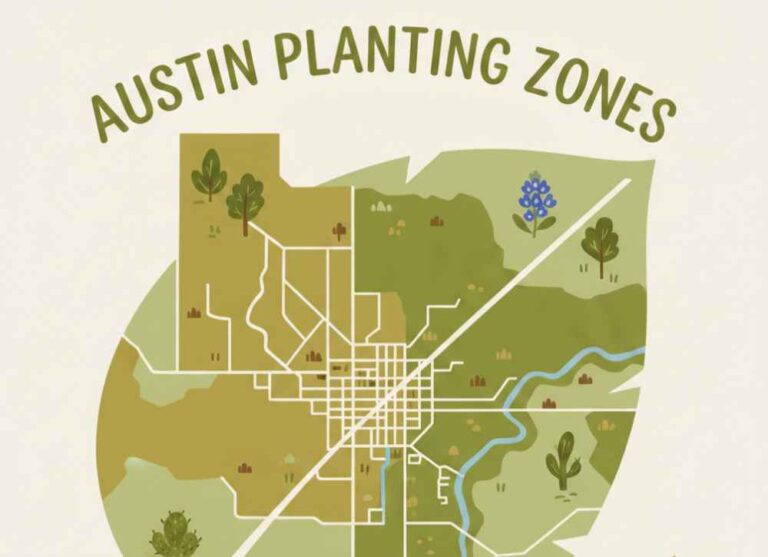
Understanding Two Main Planting Zones in Austin: 8b and 9a
Austin is divided into two planting zones based on the coldest temperatures the city usually reaches in winter.
Areas with more buildings and concrete, like downtown, stay a little warmer at night. Areas with open land and hills can get colder.
Because of this difference, some neighborhoods can grow more tropical plants, while others need plants that can survive freezing temperatures.
Gardening in USDA Zone 8b: The Hill Country and North Austin
Zone 8b includes the north and west parts of Austin, such as Cedar Park, Round Rock, Pflugerville, and West Lake.
In this zone, the coldest winter temperatures usually range between 15°F and 20°F (-9°C to -6°C). This means that on the coldest nights of the year, temperatures can drop close to 15°F.
The main challenge in this area is the soil. Instead of deep, rich soil as you might find in other Texas cities, much of this region is composed of limestone and caliche.
The soil is thin and drains water very quickly. Because of this, plants can dry out more quickly and require careful watering.
Strong native plants like Texas Mountain Laurel and Mexican Feather Grass do well here because they can tolerate rocky soil and survive freezing winter nights with little protection.
Gardening in USDA Zone 9a: Downtown and South Austin
As you move toward downtown Austin and south toward Buda and Kyle, you enter Zone 9a.
In this zone, winter temperatures usually range from 20°F to 25°F (-6°C to -4°C) at their coldest. This makes it slightly warmer than Zone 8b.
This area feels warmer and a bit more humid. The soil also changes as you move east and south. Instead of rocky ground, you will often find heavy, dark clay soil.
Clay soil holds water longer, which can be helpful during dry periods. However, after heavy rain, it can become sticky and hold too much water, which may damage plant roots.
In these warmer areas, plants like Esperanza (Yellow Bells), Firecracker Fern, and tomatoes thrive because they love heat and sunshine and can stay green year-round.
Also Read: Is it too late to plant tomato seeds in zone 9a of Texas.
Tips for Handling Austin’s Weather and Soil for Gardening
The key to gardening in Austin is being prepared for both heat and sudden cold. Rain often comes in heavy storms, followed by long dry periods.
The soil in many areas contains a lot of lime, which makes it alkaline. Some plants may turn yellow if they do not like alkaline soil. Many gardeners improve their soil by adding compost or using raised beds.
The last frost in Austin usually occurs around early March, when most people begin spring planting.
During summer, temperatures often reach 95°F to 105°F (35°C to 40°C) and sometimes even higher. To protect your plants during this extreme heat, use a thick layer of mulch to keep the roots cool and water deeply so roots grow strong and deeper into the soil.
Whether you live in the rocky hills of Zone 8b or the clay soils of Zone 9a, choosing plants that can handle strong sun, high heat, and occasional freezing nights will make gardening in Austin much easier and more successful.
Grid
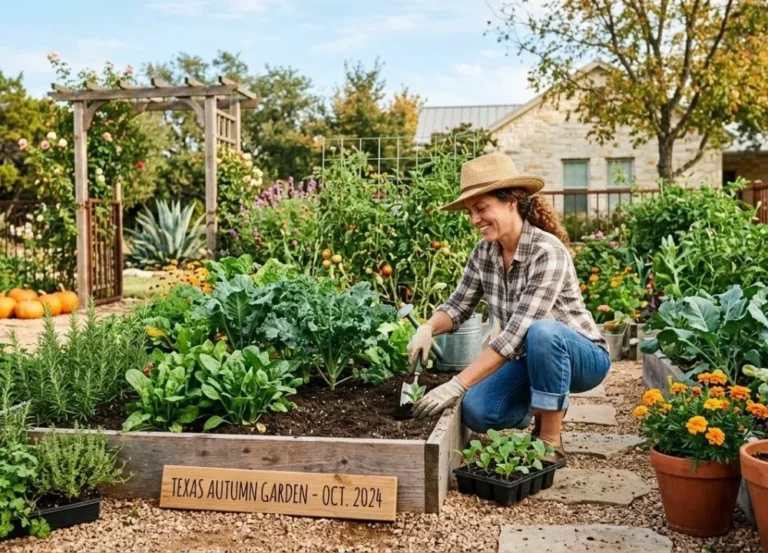
What to Plant in October in Texas? Here’s a Complete List

What Flowers to Plant in September in Texas?
What Vegetables Can You Plant in September in Texas?
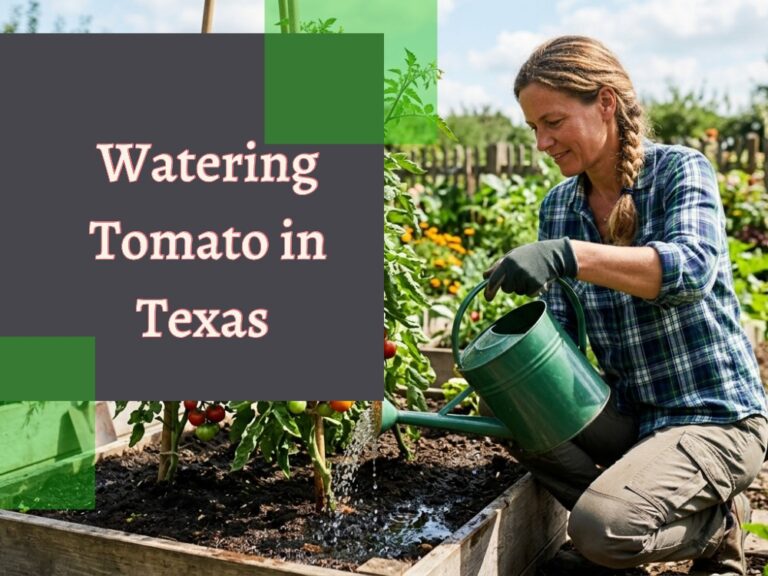
How Often to Water Tomato Plants in Texas (Region-by-Region Guide)
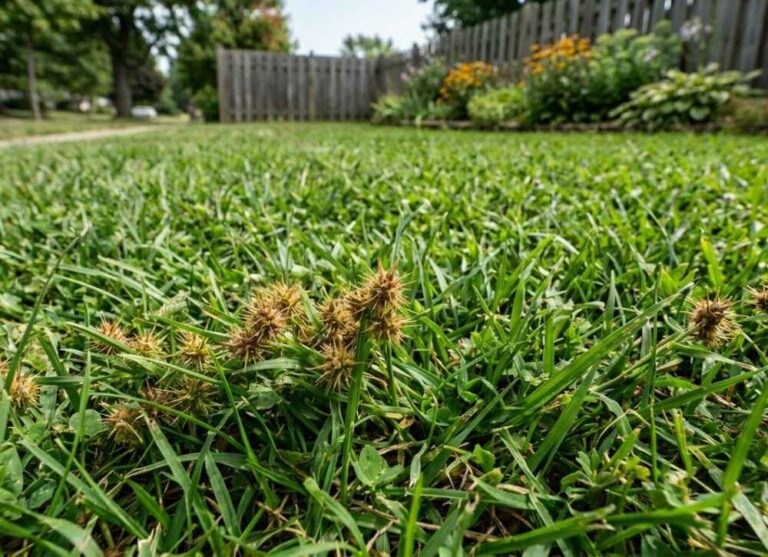
How to Get Rid of Grass Burrs in Texas?