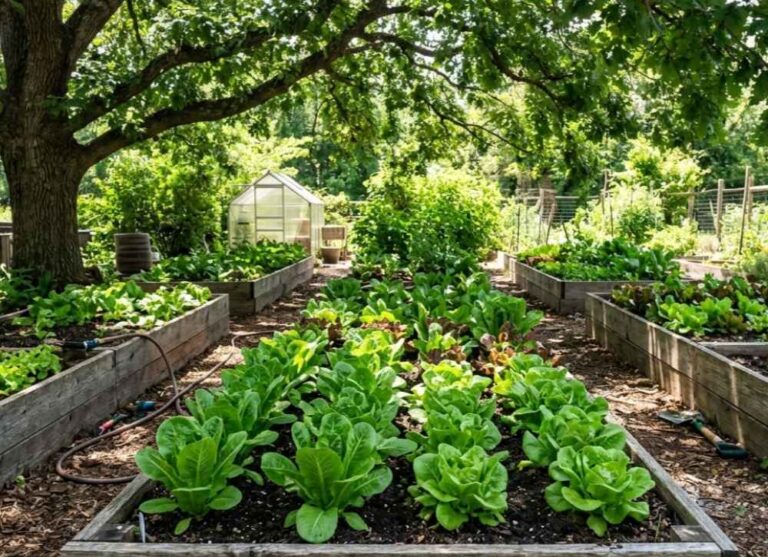
You’ve got your garden beds ready, the sun is shining, and you’re eager to grow fresh salads, but every lettuce seedling turns bitter or bolts within weeks.
It’s frustrating watching your greens fail when everything else thrives in the warmth. Summer heat feels like the enemy of crisp, tender lettuce.
Yes, you can grow lettuce in the summer, but only if you choose heat-tolerant varieties and provide afternoon shade. The secret is keeping the roots cool with mulch and watering early in the morning to prevent that dreaded bitterness.
Is Lettuce a Summer Crop? Does Lettuce Grow All Summer?
Technically, no. In gardening, summer crops such as tomatoes, peppers, and melons require heat to produce fruit. According to many experienced vegetable gardeners, lettuce is happiest when the air is crisp.
When the ground becomes too hot, lettuce exhibits a phenomenon known as bolting. This is when the plant realizes it’s getting too warm to survive, so it quickly shoots up a tall flower stalk to produce seeds for next year.
‘Once this happens, the leaves turn very bitter and milky, making them pretty much inedible for your salad bowl.
Does Lettuce Grow All Summer?
Whether lettuce grows all summer depends entirely on how you manage it.
- In the Wild: No. If you plant a standard Romaine in May and leave it alone, it will likely be dead or bitter by July.
- With Strategy: Yes. According to many gardening blogs and “cut-and-come-again” experts, you can keep a harvest going all summer if you use “succession planting.” This means planting a small new batch of seeds every 10 to 14 days and keeping them under shade cloth.
According to the Old Farmer’s Almanac, lettuce can be grown in the summer, but only if you “trick” the plant into thinking it’s still spring by using shade and plenty of cold water.
How to Grow Lettuce in Summer Successfully?
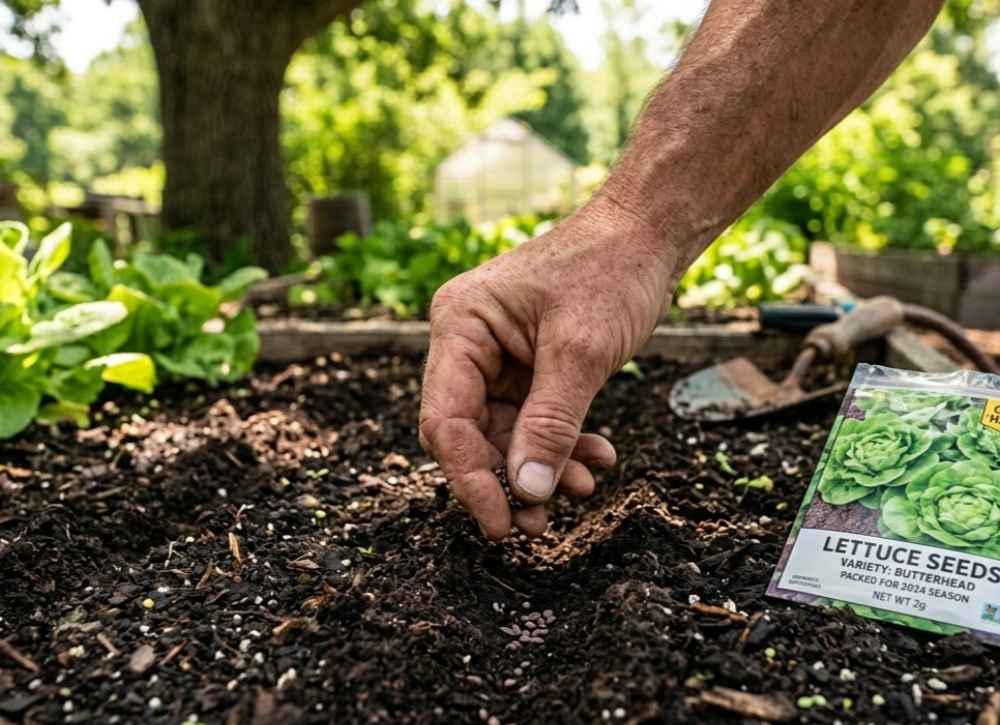
Growing lettuce in summer can be tricky because this cool-season crop struggles in hot weather. But with the right summer lettuce growing strategies, you can enjoy fresh salads all season long.
1) Select Heat-Tolerant Lettuce Varieties for Summer
The first step to summer lettuce success is choosing the right lettuce varieties. Look for lettuce varieties bred for heat resistance and slow bolting in summer conditions.
Summer Crisp lettuce varieties like Muir, Nevada, and Magenta handle summer heat beautifully. These Batavian lettuce types stay crunchy even when summer temperatures climb.
Loose-leaf lettuce is generally more heat-resistant than heading lettuce types. Try summer-friendly options like Black-Seeded Simpson, Oak Leaf, or Salad Bowl lettuce.
Butterhead lettuce varieties like Buttercrunch and Adriana hold up well in warmer summer temperatures. These soft lettuce leaves stay tender without turning bitter in summer heat.
For romaine lettuce lovers, Jericho and Parris Island are your best summer choices. Jericho Romaine was bred in Israel specifically for hot summer growing conditions.
2) Manage Lettuce Seed Germination in Summer Heat
Lettuce seeds are fussy about summer temperatures and often refuse to sprout in hot soil. This thermal dormancy happens when soil temperatures exceed 77 to 80 degrees Fahrenheit.
Start your summer lettuce seeds indoors in a cool spot for the best germination. Once lettuce seedlings are established, transplant them outside into your summer garden.
Pre-chilling lettuce seeds helps break their summer dormancy before planting. Place your lettuce seeds in a damp paper towel in the refrigerator for 24 to 48 hours.
Sow your lettuce seeds in the evening when temperatures are dropping. This gives your lettuce seeds a cooler start, improving summer germination success.
3) Provide Protection and Care for Summer Lettuce
Strategic shading is essential for growing healthy summer lettuce in your garden. Plant your summer lettuce on the north or east side of taller crops, such as tomatoes or corn.
These taller summer vegetables block the harsh afternoon sun from your delicate lettuce leaves. You can also use 40-60% shade cloth over your summer lettuce beds.
Consistent moisture keeps summer lettuce cool and prevents bitter-tasting leaves. Lettuce has shallow roots and needs frequent light watering during hot summer days.
Some summer lettuce growers use misting systems to drop temperatures during peak afternoon heat. This extra cooling helps summer lettuce stay crisp and sweet.
Mulching around your summer lettuce plants insulates the soil and retains precious moisture. Apply 2 to 3 inches of straw or wood chip mulch to keep summer lettuce roots cool.
4) Summer Lettuce Harvesting Tips
Pick your summer lettuce early in the morning, while the leaves are still cool and crisp. Afternoon harvesting gives you wilted summer lettuce that’s harder to revive.
Harvest your summer lettuce frequently using the cut-and-come-again method on outer leaves. This keeps your summer lettuce plants in a juvenile state, delaying bitter bolting.
How to Keep Lettuce Growing All Summer Long
Succession planting is the secret to continuous summer lettuce harvests in your garden. Sow new summer lettuce seeds every two to three weeks for a steady supply.
Replace bolted summer lettuce plants immediately with fresh heat-tolerant lettuce seedlings. This rotation keeps your summer salad bowl full all season.
FAQ’s
Can You Grow Romaine Lettuce in the Summer?
Yes, you can grow romaine lettuce in summer with heat-tolerant romaine varieties. Jericho and Parris Island romaine lettuce are bred to handle summer growing conditions.
Can You Grow Lettuce in a Greenhouse in Summer?
Growing lettuce in a greenhouse in summer requires extra cooling and ventilation. Greenhouse summer temperatures can get too hot for lettuce without proper shade cloth and airflow.
How to Shade Lettuce in Summer
Shade your summer lettuce using 40 to 60 percent shade cloth over your lettuce beds. You can also plant summer lettuce near taller vegetables that provide natural afternoon shade.
Best Planting Time to Sow Lettuce Seeds in Your Area
Summer heat intensity varies greatly depending on where you live and garden. This means your summer lettuce growing time and strategies need to match your specific regional climate conditions.
A lettuce growing approach that works in cool Pacific Northwest summers won’t work in scorching Texas summer heat. That’s why understanding your regional summer conditions is essential for lettuce success.
GardenChains provides region-specific summer lettuce growing guides tailored to your local climate. If you live in any of these regions, these summer lettuce guides will be a golden opportunity for your garden.
When to Plant Lettuce in North Carolina
When to Plant Lettuce in Texas
When to Plant Lettuce in Florida
When to Plant Lettuce in Georgia