Gardening in West Texas is all about being tough. While people in East Texas have lots of rain and tall trees, gardeners in the West deal with wide-open spaces, dry winds, and very little water.
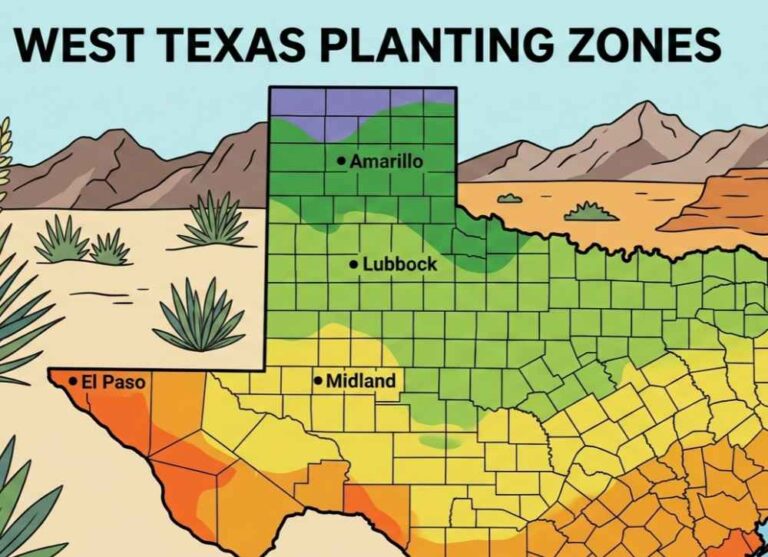
According to the 2023 USDA Plant Hardiness Map updates we use for the Texas growing season, West Texas spans many different zones. Because there are high mountains and flat deserts, the zones range from the cold Zone 7a to the warm Zone 9a.
This means you have to know your exact location to ensure your plants can survive the big weather swings throughout the year.
The Dry Zones of West Texas: 7, 8, and 9
West Texas is a vast region that spans from the Panhandle to the Mexican border. The planting zones here tell us how cold the desert gets at night.
Much like the dry air in Fort Worth, West Texas has little humidity to hold heat, so the temperature can drop very quickly as soon as the sun goes down. Understanding your zone is the best way to choose plants that will not freeze in winter or burn in summer.
Gardening in the Cold High Plains: Zone 7a and 7b
The northern part of West Texas, including Lubbock and Amarillo, falls within Zone 7. In Zone 7a, winter temperatures can drop to between 0°F and 5°F. This is much colder than the mild winters you would find in Austin.
The soil here is often a mix of sandy loam and caliche, a hard, crusty clay. The biggest challenge in this area is the wind, which can dry out plants in just a few hours.
The best plants for this area are very cold-hardy and wind-tough, like desert willow and certain types of yucca. These plants do not mind the freezing nights and dusty days that are common in the High Plains.
The Heart of the Desert: Zone 8a and 8b
As you move toward the middle of West Texas, near Midland, Odessa, and San Angelo, you enter Zone 8. In Zone 8a, winter lows stay between 10°F and 15°F, while Zone 8b stays between 15°F and 20°F.
This is similar to the winter weather in Dallas, but the air is much drier. The soil here is often very sandy, which means water drains away almost instantly after you water your plants.
Gardeners here love to use xeriscape plants. These plants, like agave, prickly pear cactus, and sotol, need very little water and can withstand the intense desert sun without any problems.
The Warm Big Bend and El Paso: Zone 9a
The southern and western edges of the region, near El Paso and the Big Bend area, fall into Zone 9a. Winters here are very mild, with temperatures rarely going below 20°F to 25°F.
The climate feels a bit like San Antonio, but without the humidity. The soil can be very rocky and alkaline, meaning it is rich in lime.
Because it stays so warm in this area, you can grow beautiful desert plants like ocotillo and Mexican bird of paradise. These plants love the heat and look beautiful against the Rocky Mountain backdrops found throughout the region.
Simple Tips for West Texas Success
The secret to a great West Texas garden is water and shelter. Since the last frost usually leaves by mid to late April, you have to wait a little longer to plant than people in Houston.
Because the soil is sandy and rocky, adding compost helps retain the water you give your plants. Always use a thick layer of mulch to keep the roots from baking in the sun.
Also, planting your garden near a wall or a fence can help protect your flowers from the strong West Texas winds. If you pick desert-native plants, your yard will look amazing with very little work.
Explore More Texas Gardening Guides
Texas Planting Zones by Region & City
| Statewide overview of Texas planting zones | Warm, tropical South Texas zones |
| Cold-snap prone North Texas zone | Humid, mild East Texas zone |
| Arid, alkaline West Texas zone | Transitional Central Texas zone |
| Zone guide for Dallas | Zone guide for Fort Worth |
| Zone guide for Houston | Zone guide for San Antonio |
| Zone guide for Austin | Full Texas growing season & frost dates |
Growing a Lawn in Texas
| Full guide to planting grass in Texas | Choosing the best grass for Texas |
| When to plant Bermuda grass | When to plant St. Augustine grass |
| When to plant Zoysia grass | When to plant Buffalo grass |
| When to plant rye grass | When grass starts growing in Texas |
| How often to water grass in Texas | When to fertilize grass in Texas |
| How to get rid of grass burrs |
Fruit Trees & Peaches in Texas
| The top fruit trees for Texas | When to plant peach seeds in Texas |
| When to plant a pear tree in Texas | When to plant fig tree cuttings in Texas |
| When peach season hits Fredericksburg | When to plant loquat seeds in Texas |
Vegetables & Herbs in Texas
| When to plant tomatoes in Texas | How often to water tomatoes in Texas |
| Is it too late to seed tomatoes in zone 9a? | When to plant lettuce in Texas |
Growing Garlic in Texas
| Full guide: when to plant garlic in Texas | Can you plant garlic in spring in Texas? |
| When to harvest garlic in Texas |
Grid
What to Plant in October in Texas? Here’s a Complete List

What Flowers to Plant in September in Texas?
How Often to Water Tomato Plants in Texas (Region-by-Region Guide)
Can Figs Grow in Colorado? A Full Planting Guide
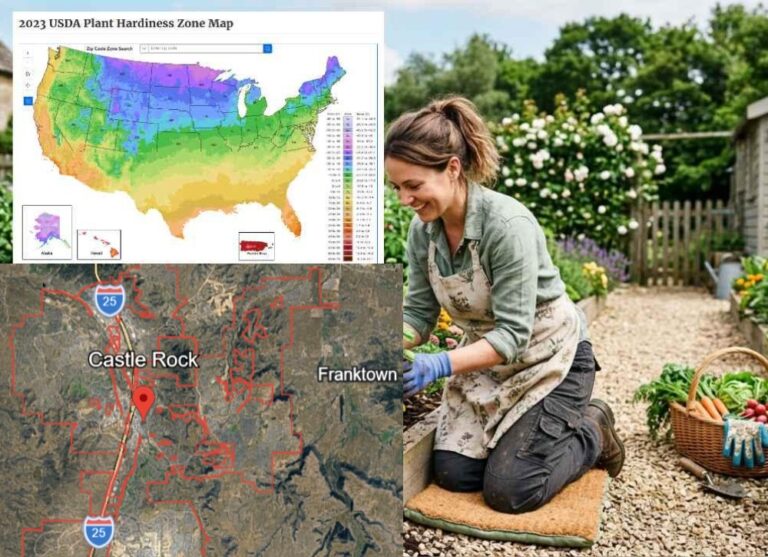
What Planting Zone Is Castle Rock, Colorado?