Gardening in Fort Worth isn’t a hobby; it’s a cage match against the horizon. While the folks over in Dallas deal with their own mess, Tarrant County gardeners face the dry, biting breath of the western prairies.
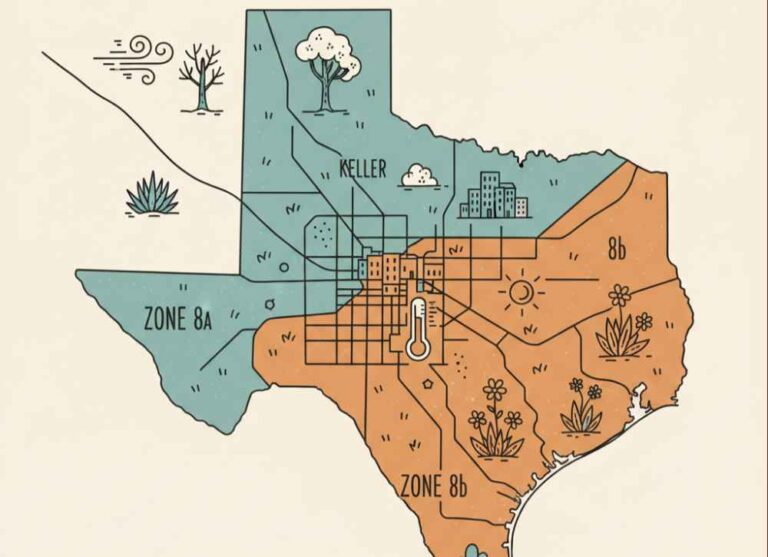
It’s different here. Based on those 2023 USDA map tweaks that everyone is finally feeling in 2026, the verdict is in. Fort Worth is officially hunkered down in Zone 8. It’s warmer, sure. But it’s also weirder.
The Texas’s planting zones and Texas’s growing seasons didn’t just move; they leaped. If you’re eyeing that fancy shrub at the nursery, you would better check your zip code twice.
Understanding the Fort Worth Planting Zones→ 8a and 8b
Fort Worth sits right on a jagged line. The city consists of Zone 8a and Zone 8b, and that five-degree difference? It’s a dealbreaker.
We aren’t talking about the swampy, predictable heat of Houston. We’re talking about “Blue Northers”, those nasty Arctic blasts that scream across the flatlands and drop the mercury 40 degrees in an afternoon.
- Zone 8a: Think exposed. Cold.
- Zone 8b: The concrete jungle. Toasty.
Wait, there’s a catch. Most of the inner-city neighborhoods have slid into 8b, while the outskirts are still shivering in 8a. It’s a literal map of “how much concrete do you live near?”
Gardening in USDA Zone 8a: The Wind-Swept Frontier
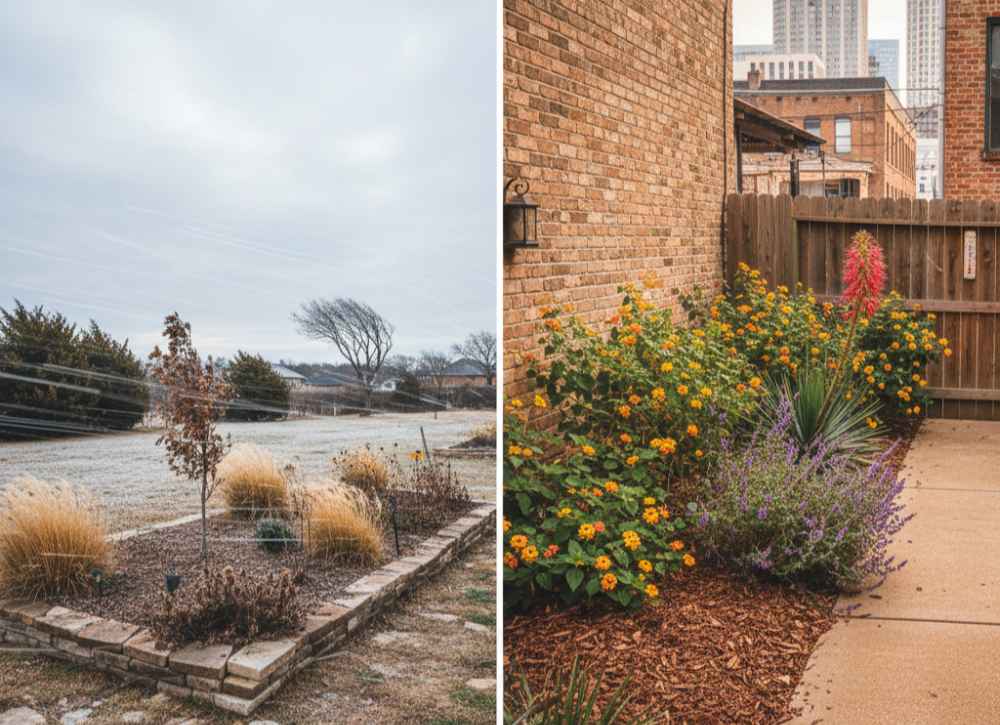
If you’re out in Keller, Haslet, or Aledo, welcome to the frontier. You’re in Zone 8a. Your winter lows hit between 10°F and 15°F.
It’s a rough neighborhood for plants. There aren’t many skyscrapers to block the wind, so frost sticks to your flowerbeds like glue.
The soil? A stubborn mix of “Blackland” clay and rocky junk. But the real killer isn’t the cold, it’s desiccation. The winter wind sucks the life right out of your evergreens. Total moisture theft.
What actually survives out there:
- Bur Oaks: Tough as nails.
- Desert Willow: Doesn’t care about your drought.
- Mexican Feather Grass: Loves the drama.
Gardening in USDA Zone 8b: The Urban Core Microclimate
Downtown, Tanglewood, and the Near Southside are a different beast. This is Zone 8b territory. Thanks to the “Urban Heat Island” effect, basically all that asphalt acting like a giant space heater, the lows rarely dip below 15°F to 20°F. It feels a bit like Austin, just with more boots.
In terms of winter lows, it feels a bit like gardening in Austin, just with more boots and less traffic.
But don’t get cocky. The same pavement that protects your plants in January will cook them in August. The clay here is dense. Heavy. It’s like trying to grow flowers in a brick.
Unlike the deep, consistent South Texas heat of San Antonio, our weather can flip from freezing to scorching in a heartbeat.
Pro Tip: If your plant can’t handle a midnight temperature of 90°F on a sidewalk in August, don’t buy it. Stick to Lantana or Texas Sage. They thrive on neglect.
Environmental Strategy for Fort Worth Landscapes
Forget the zones for a second. Let’s talk about the ground. Fort Worth soil is famous for the “shrink-swell” cycle.
It expands when it rains and cracks wide enough to swallow a house key when it’s dry. It’s brutal on the roots.
A weird side effect? You’ve only got a tiny window to plant. The last frost vanishes in mid-March, and by June, the 100°F furnace kicks in.
You have to move fast. Dig in some compost, dump a mountain of hardwood mulch on top, and pray for rain.
It’s a rugged way to garden. But that’s Fort Worth for you.
Grid
How long is the growing season in Texas? Average Frost Dates of 2026
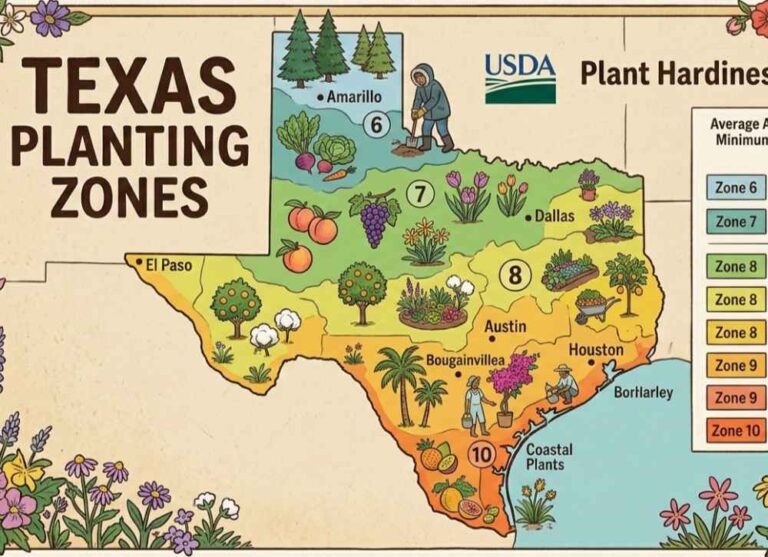
What Is the Planting Zone for Texas? Zone 6b to 10a
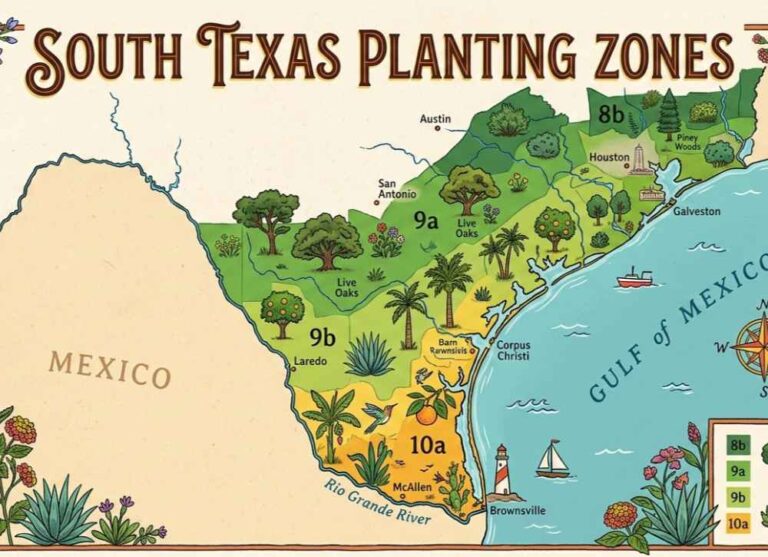
What Planting Zone Is South Texas? Zone 9 and 10
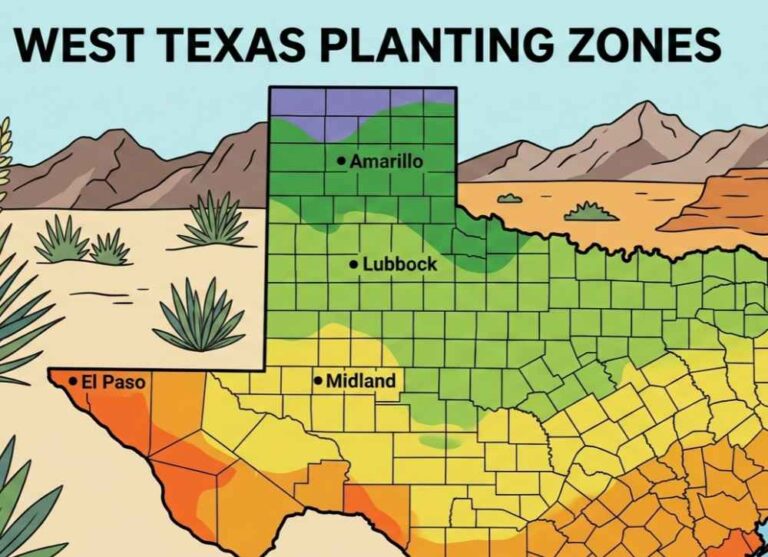
What Planting Zone Is West Texas? Zone 7, 8 and 9
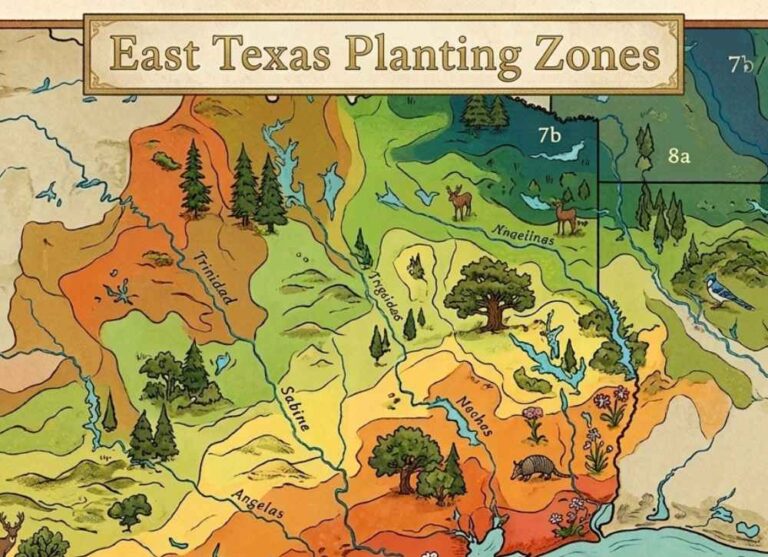
What Planting Zone Is East Texas? Zone 8a, 8b, 9a