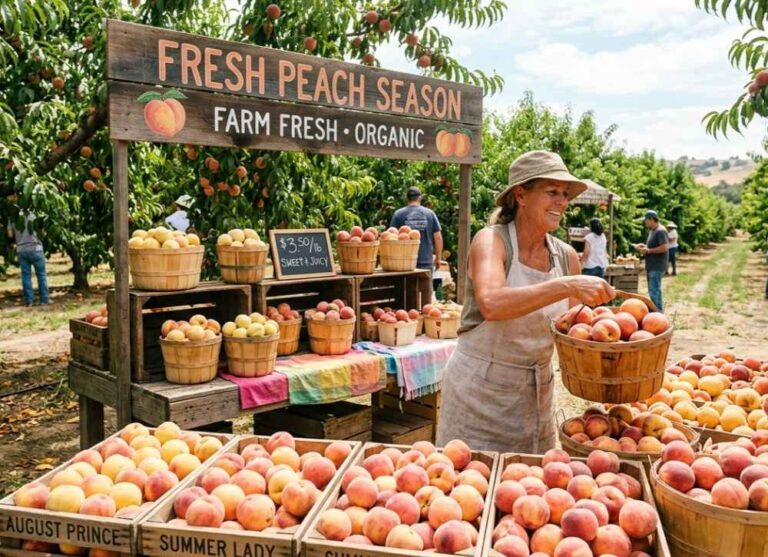
The arrival of the fresh peach season is eagerly anticipated by fruit lovers across the country each year. The sweet aroma and juicy flesh of a perfectly ripe peach are considered one of summer’s greatest pleasures.
However, peach season varies across the United States. Significant variations are observed from state to state, depending on climate, geography, and the varieties being grown.
This variation can be confusing for those who want to enjoy peaches at their peak ripeness. People often ask when local peaches will be available at farmers’ markets and orchards.
The goal of this comprehensive guide is to help you understand when peaches are harvested in your region. The “when” and “why” behind your favorite varieties will be explained in detail.
By the end of this guide, the factors that influence peach season timing will be understood clearly. You will be equipped to plan your peach purchases and picking trips with confidence.
- Factors That Affect Peach Season in Your State
- Your Peach Variety: A Seasonal Breakdown
- Mid-Season Peaches (Peak Summer / Medium-Chill Varieties)
- Late-Season Peaches (Late Summer to Early Fall / High-Chill Varieties)
- Peach Season Types: Understanding the Windows
- When Is Peach-Picking Season? How Long Is Peach-Picking Season? Do I Have Time?
- When Is Peach Season Over?
- FAQs
Factors That Affect Peach Season in Your State
Your Regional Climate (The “Chilling Hours” Backbone)
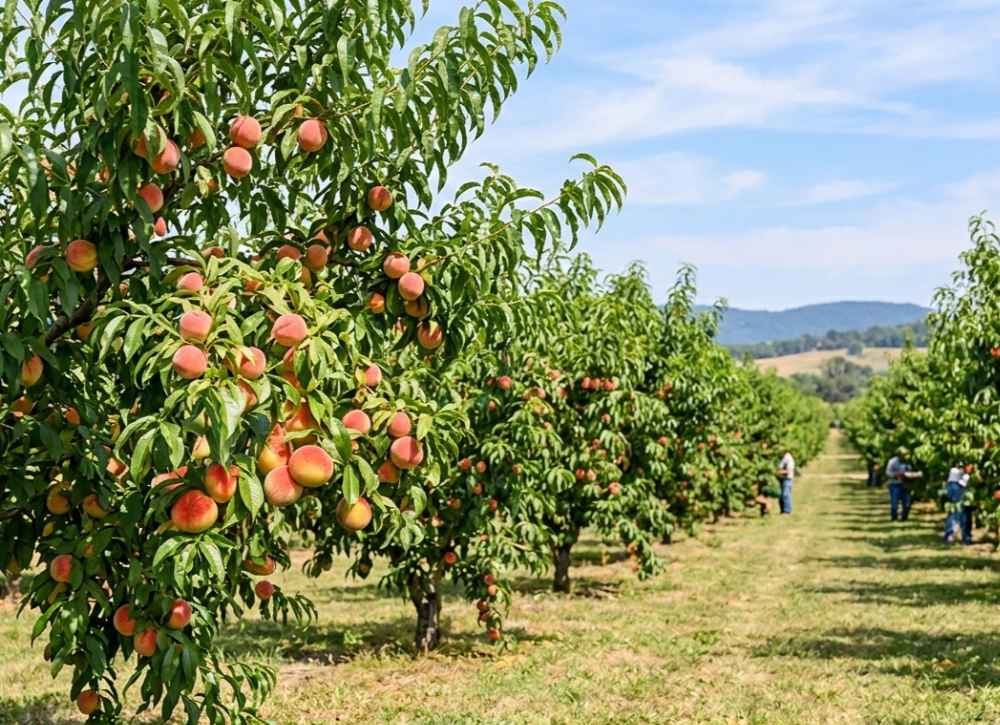
The timing of peach season in any state is largely determined by the regional climate. One of the most critical factors is “chilling hours,” which are essential for peach production.
Chilling hours are defined as the number of hours a peach tree is exposed to temperatures between 32°F and 45°F during winter dormancy. This cold exposure is required by peach trees to break dormancy and produce fruit properly.
Without sufficient chilling hours, peach trees will not bloom correctly in spring. Poor fruit set, delayed harvests, or no fruit production at all may be experienced by trees that lack adequate winter cold.
Different peach varieties require different amounts of chilling hours to thrive. Low-chill varieties may need only 150-400 hours, while high-chill varieties require 800-1,000 hours or more.
The start of the harvest season in your state is directly dictated by local winter temperatures. Warmer southern states with mild winters harvest earlier, while northern states with cold winters harvest later.
States like Florida and Southern California are suited for low-chill varieties that ripen in late spring. States like Michigan and New Jersey are better suited for high-chill varieties that ripen in mid to late summer.
Your Peach Variety (Genetics & Timing)
The genetic makeup of each peach variety plays a crucial role in determining harvest dates. A measurement called “Days to Maturity” indicates how long it takes for fruit to develop after bloom.
Days to Maturity refers to the number of days required from full bloom until the peaches are ready for harvest. This period can range from 60 days for early varieties to over 150 days for late varieties.
Early-maturing varieties are bred to develop fruit quickly after spring bloom. These varieties are often grown in warmer climates where the growing season starts earlier.
Late-maturing varieties require more time on the tree to reach peak sweetness and size. These varieties are typically grown in regions with longer, cooler growing seasons.
Different varieties have been bred specifically for certain regional climates over many decades. Growers select varieties whose chilling requirements and maturity timing match their local conditions.
The combination of your region’s chilling hours and your variety’s Days to Maturity determines when peaches will be ready. This interaction explains why the same variety may ripen at different times in different states.
Your Peach Variety: A Seasonal Breakdown
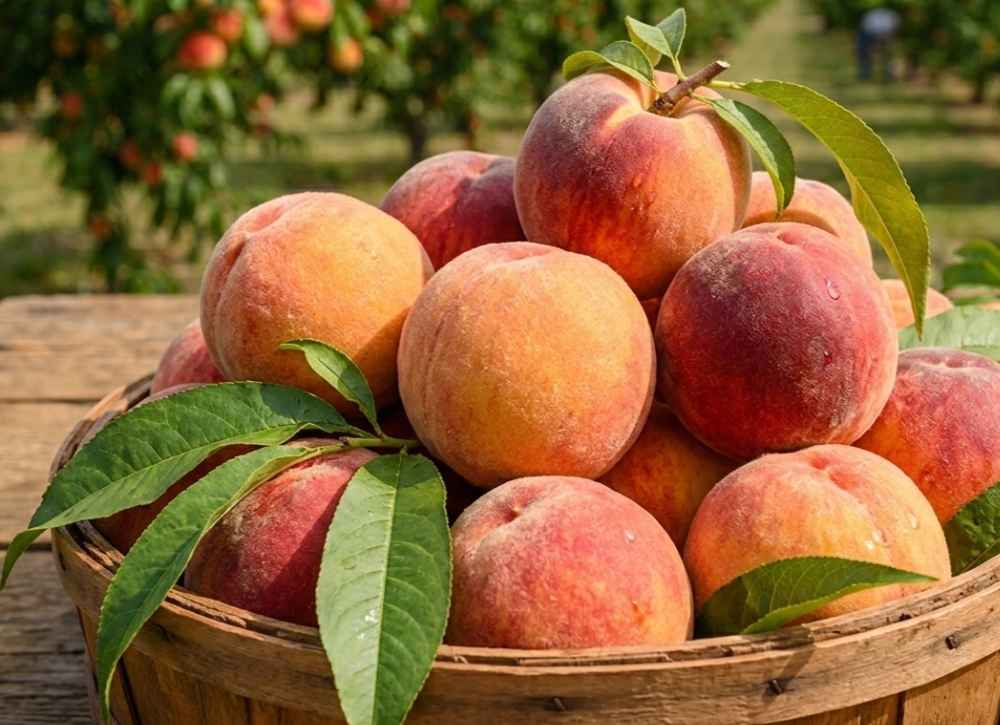
Early-Season Peaches (Early Summer / Low-Chill Varieties)
Early-season peaches are the first to arrive each year, typically appearing from late April through early June. These varieties are bred for warmer climates with mild winters and low chilling hour requirements.
The excitement of the first peaches of the year is eagerly anticipated by fruit enthusiasts. However, it should be noted that early varieties often differ from mid-season types.
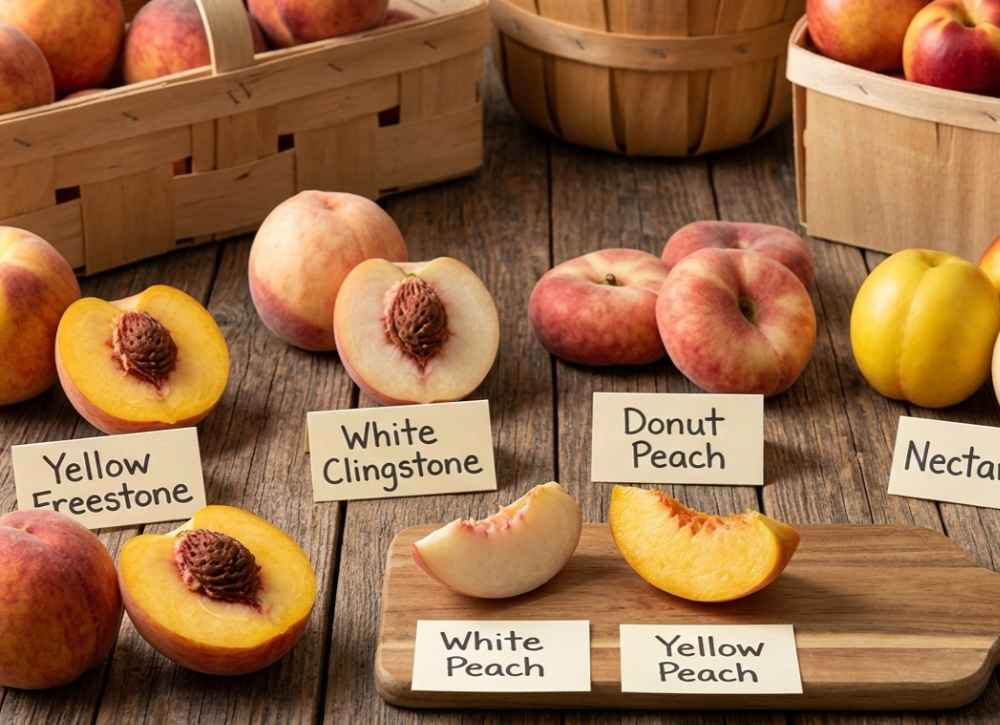
When Are White Peaches in Season?
White peaches are known for their delicate, sweet flavor with lower acidity than yellow varieties. Early white peach varieties are typically harvested from late May through early July, depending on location.
Popular early white varieties include Snow Angel and Spring Snow, which are prized for their tender flesh. These varieties are often among the first peaches available at farmers’ markets each season.
White peaches are considered more delicate and bruise more easily than yellow varieties. They are best enjoyed fresh and are often sought after for their unique floral sweetness.
In warmer states like California, Georgia, and South Carolina, white peaches may be available as early as late May. In cooler northern states, white peach season typically begins in late June or early July.
When Are Donut Peaches in Season?
Donut peaches, also known as flat peaches or saucer peaches, are recognized by their distinctive flattened shape. The Saturn variety is one of the most popular donut peach types grown commercially.
These unique peaches are typically harvested from late May through July, depending on the growing region. Their season often overlaps with that of other early- to mid-season varieties.
Donut peaches are prized for their sweet, almond-like flavor and easy-to-eat shape. The pit is smaller and easier to remove than in round peach varieties.
In California, donut peaches are often available starting in late May. In eastern states, they are typically found at markets from mid-June through July.
Additional Early Varieties
Several other early-season varieties are grown specifically for warmer climates with low chilling hour requirements. Desertgold and Florida Prince are examples of varieties bred for subtropical conditions.
These varieties require only 150-250 chilling hours and are commonly grown in Florida, Southern Texas, and Southern California. Harvests of these ultra-early varieties may begin as early as late April.
Tropic Beauty and Flordaking are additional low-chill varieties popular in the Deep South. These varieties allow peach production in areas traditionally considered too warm for the fruit.
The Clingstone Characteristic
Early-season peaches are often classified as clingstone varieties, meaning the flesh clings tightly to the pit. This characteristic is common in peaches that mature quickly after bloom.
The clingstone trait can make these peaches more challenging to slice and prepare. However, they are still excellent for eating fresh or using in recipes where appearance is less important.
As the season progresses, more freestone varieties become available, with pits that separate easily. The transition from clingstone to freestone typically occurs in late June to early July.
Mid-Season Peaches (Peak Summer / Medium-Chill Varieties)
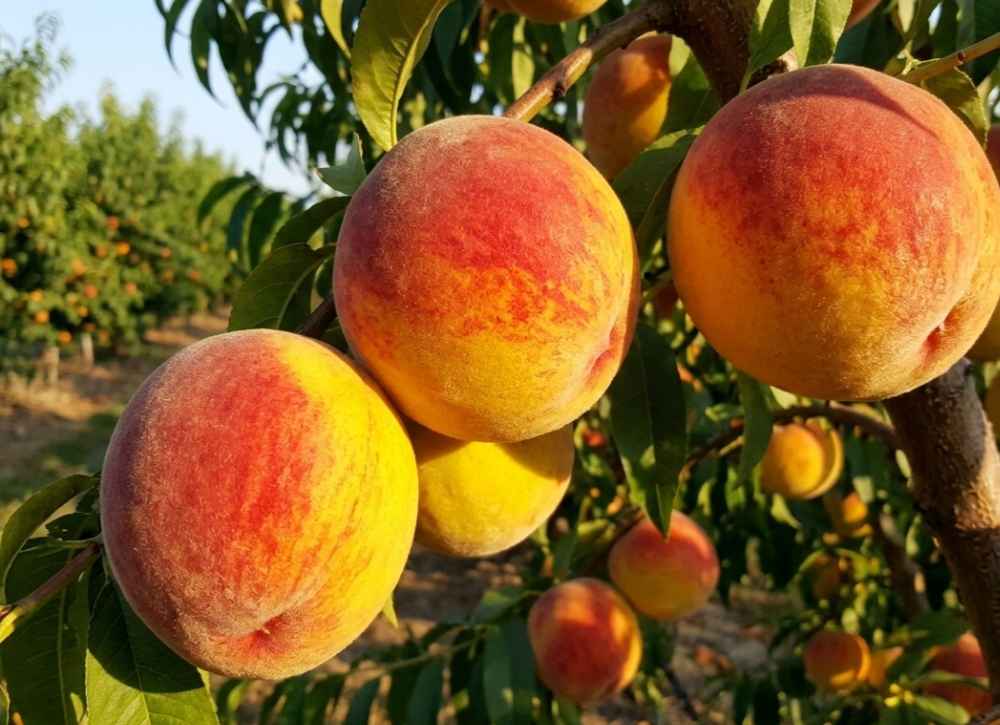
Mid-season peaches represent the heart of peach season, typically spanning from late June through August. These varieties require moderate chilling hours and are grown across a wide range of states.
Peak summer is considered the best time to enjoy peaches at their most flavorful and abundant. Supply is highest during this period, and prices are often most reasonable.
When Is Yellow Peach Season?
Yellow peaches are the classic American peach variety, known for their golden flesh and balanced sweet-tart flavor. The main yellow peach harvest occurs from late June through August in most growing regions.
Popular yellow varieties include Redhaven, which is considered the benchmark for mid-season quality. Sunhigh, Glohaven, and Cresthaven are other widely grown yellow varieties.
Redhaven peaches were developed in Michigan and are known for their reliable performance and excellent flavor. This variety typically ripens in mid-July in northern states and earlier in southern regions.
Yellow peaches are versatile and are used for fresh eating, baking, canning, and making preserves. Their firm flesh holds up well to cooking and processing.
What Is the Season for Jersey Peaches?
New Jersey is renowned for producing some of the finest peaches on the East Coast. Jersey peaches are famous for their exceptional sweetness and juicy texture.
The Jersey peach season typically runs from mid-July through early September. Peak harvest is usually experienced during the first three weeks of August.
New Jersey’s climate provides ideal conditions for peach growing, with adequate chilling hours and warm summers. The state’s sandy loam soils are considered excellent for peach production.
Jersey peaches are often sold at roadside stands and farmers’ markets throughout the mid-Atlantic region. Many consumers specifically seek out Jersey peaches for their superior quality.
When Are Freestone Peaches in Season?
Freestone peaches are varieties where the flesh separates easily from the pit when the fruit is ripe. This characteristic makes them ideal for slicing, canning, and freezing.
The freestone peach season typically runs from early to mid-July through September. Most mid and late-season varieties are classified as freestone types.
Popular freestone varieties include Elberta, which has been grown in America for over a century. Cresthaven, Loring, and Red Globe are other well-known freestone varieties.
Freestone peaches are preferred by home canners and those who process large quantities of fruit. The easy pit removal saves significant time during preparation.
Additional Mid-Season Varieties
Loring peaches are a popular mid-season variety known for their large size and excellent flavor. This variety typically ripens in late July to early August in most growing regions.
Contender peaches are valued for their cold-hardiness and are grown successfully in northern states. This variety produces reliably even after harsh winters.
Belle of Georgia is a classic white-fleshed freestone variety that ripens in mid-season. This heirloom variety has been grown since the 1800s and remains popular today.
Late-Season Peaches (Late Summer to Early Fall / High-Chill Varieties)
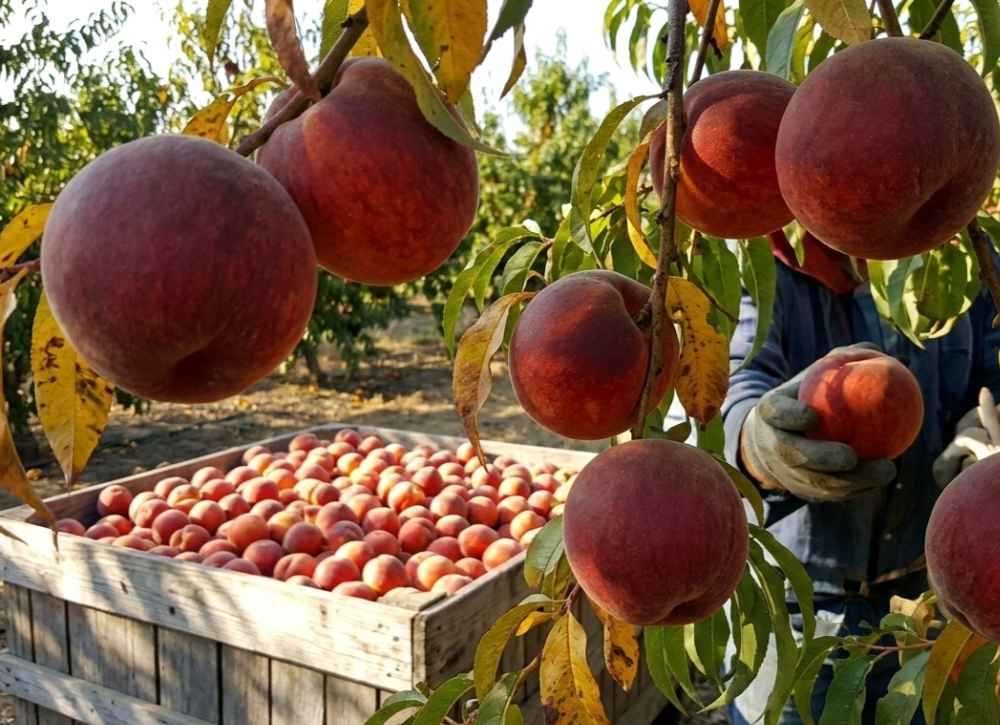
Late-season peaches extend the harvest from mid-August through September and sometimes into October. These varieties require high chilling hours and longer growing seasons to reach maturity.
Late-season varieties are often prized for their intense sweetness developed through extended time on the tree. They represent the final opportunity to enjoy fresh peaches before winter.
What Is the Season for Oregold Peaches?
Oregold peaches are a late-harvest variety known for their golden-yellow skin and rich, sweet flavor. This variety was developed in Oregon and is well-suited to Pacific Northwest growing conditions.
Oregold peaches are typically harvested from late August through mid-September. They require approximately 800 chilling hours and a long growing season to reach full maturity. (extension.msstate.edu)
This variety is prized for its firm flesh, which holds up well during shipping and storage. Oregold peaches are often available at markets after other varieties have finished.
Oregold’s extended harvest period extends the peach season into early fall. This variety is popular with consumers who want to enjoy fresh peaches as long as possible.
Additional Late Varieties
O’Henry peaches are considered one of the finest late-season yellow freestone varieties. This variety typically ripens in late August and is known for exceptional flavor and large fruit size.
September Sun is a late-maturing variety that extends the peach season into early fall. This variety is harvested from late August through September in most growing regions.
Autumn Star and Fairtime are additional late varieties grown in California’s Central Valley. These varieties provide fresh peaches well into September.
The High-Chill Factor
Late-season varieties require the most chilling hours to produce fruit successfully. Requirements of 800-1,000 chilling hours are common for these varieties.
These high chilling requirements limit where late varieties can be grown successfully. Northern states and higher elevations typically provide sufficient winter cold.
The extended time required on the tree allows late varieties to develop intense sweetness. Sugars continue to accumulate as the fruit matures through the warm summer months.
Late varieties are often considered ideal for canning and preserving due to their firm texture. The concentrated flavors developed through extended maturation are well preserved during processing.
Peach Season Types: Understanding the Windows
Early Peach Season
Early peach season brings the excitement of the first fresh peaches of the year to markets and farm stands. This period typically spans from late April in the warmest regions through early June.
The arrival of early peaches is eagerly celebrated after months without fresh local fruit. However, availability is limited during this period, and prices are often higher.
Early varieties may not have the same intense sweetness as peak-season fruit. The tree’s shorter development time results in fruit that is often more tart.
Early peach season is best enjoyed by those who simply cannot wait for the main harvest. These first fruits offer a preview of the abundance to come.
Peak Peach Season
Peak peach season is considered the best time to enjoy peaches at their finest quality and value. This period typically occurs from mid-July through mid-August in most growing regions.
During peak season, the largest selection of varieties is available at markets and orchards. Supply is at its highest, and competitive pricing is often found.
The flavor of peak-season peaches is considered unmatched, with a perfect balance of sweetness and acidity. Warm summer days and cool nights create ideal ripening conditions.
Peak season is the best time to purchase peaches for canning, freezing, or making preserves. Large quantities of high-quality fruit are readily available.
Late Peach Season
Late peach season represents the final opportunity to enjoy fresh peaches before the harvest ends. This period extends from mid-August through September and sometimes into October.
Late-season varieties offer a different flavor profile than earlier peaches, often with intense sweetness. Extended time on the tree allows these varieties to develop concentrated sugars.
This period is favored by home preservers who want the sweetest fruit for their canning projects. Late varieties hold their shape well through processing.
Availability decreases as the late season progresses, and the final varieties are eagerly sought after. Savoring the last peaches of the year becomes bittersweet.
How Long Is Peach Season?
The total peach season spans approximately three to four months from first bloom to last harvest. The exact duration varies by region, depending on climate and the varieties grown.
In warmer southern states, peach season may extend from late April through early September. In northern states, the season is compressed into a shorter window from July through September.
The progression from early to mid to late varieties creates a continuous harvest throughout the season. Growers often plant multiple varieties to extend their harvest window.
Understanding the length of the peach season helps consumers plan their purchases and preservation activities. Knowing when different varieties will be available allows for better planning.
When Is Peach-Picking Season? How Long Is Peach-Picking Season? Do I Have Time?
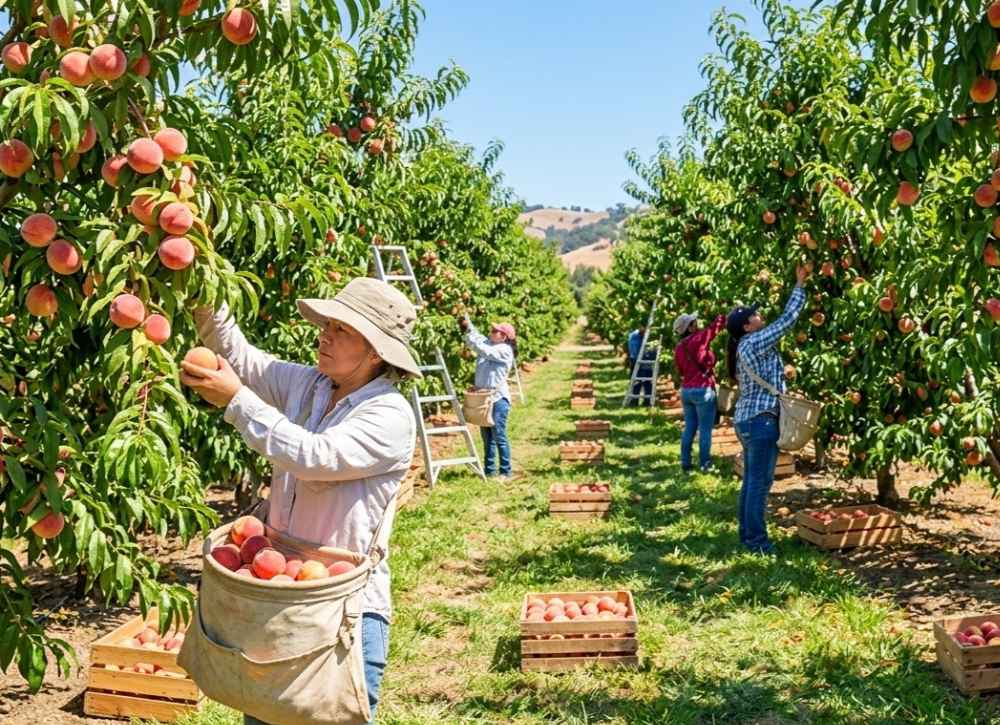
Peach-picking season at U-Pick farms typically spans four to eight weeks, depending on the operation. Multiple varieties are planted at most orchards to extend the picking window.
Visitors to U-Pick farms should check with individual orchards about availability before visiting. Picking dates vary based on weather conditions and crop development each year.
Peak picking times are usually found during late July and August at most orchards. Weekday visits are often recommended to avoid crowds during the busiest weekend periods.
Advance planning is advised for those who want to pick specific varieties. Popular varieties at well-known orchards can be picked out quickly during peak weekends.
Most U-Pick operations provide containers and basic instructions for new visitors. Comfortable clothing, sun protection, and closed-toe shoes are recommended for orchard visits.
The time required for picking depends on the quantity desired. A family can typically pick a bushel of peaches in one to two hours of relaxed picking.
When Is Peach Season Over?
Several signs indicate that peach season is coming to an end in your area. Decreasing availability at farmers’ markets is often the first indication that the harvest is winding down.
Farm stands and orchards may begin offering end-of-season discounts on remaining fruit. “Last of the season” signs are commonly displayed during the final weeks.
The quality of available fruit may begin to decline as trees are picked repeatedly. Smaller fruit sizes and minor blemishes become more common as the season progresses.
Cooler temperatures and shorter days signal the approaching end of harvest. Night temperatures dropping below 50°F regularly indicate the season is nearly over.
In most regions, peach season concludes by late September or early October. Some late varieties in California may extend slightly longer in favorable years.
FAQs
Is August Peach Season?
Yes, August is peach season in most U.S. regions. Late-season varieties are primarily available during this month, making it ideal for canning and preserving.
Is a Peach a Summer or Fall Fruit?
Peaches are primarily a summer fruit, with peak harvest from June through August. Some late varieties extend into early fall through September.
What Month Is Peach Month?
August is designated as National Peach Month in the United States. This celebration coincides with peak harvest season across most growing regions.
Do Peaches Ripen in Spring or Summer?
Peaches ripen in summer, though some early varieties in warm climates may mature in late May. The main harvest occurs from June through September.