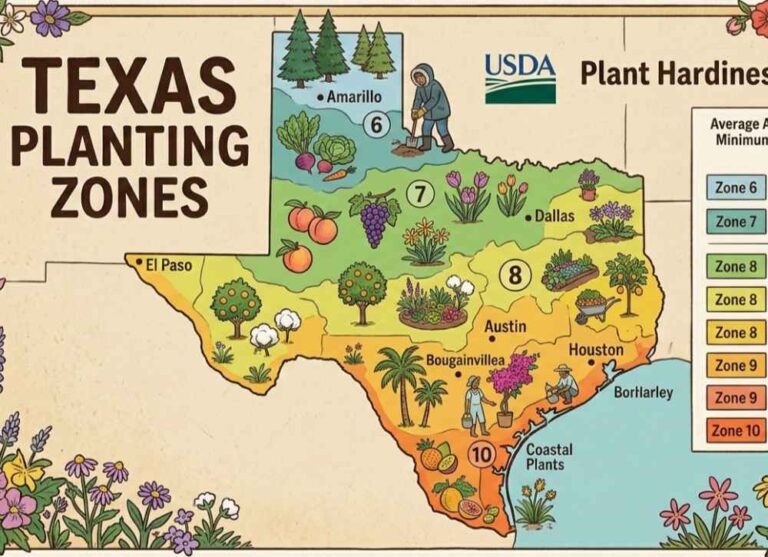
When it comes to gardening in Texas, the most important thing to know about Texas is that its USDA Planting Zones are constantly shifting and overlapping. In the 2023 map updates we use for 2026, Texas covers a massive range from Zone 6b to Zone 10a.
Because the state is so wide, you cannot just look at a city to find your zone. You have to look at the zone belts that move from the cold Panhandle down to the tropical coast.
These zones tell you the average coldest temperature of the year, which is the make-or-break number for any plant in your garden. If you pick a plant that cannot handle your coldest winter night, it will not survive, no matter how well you take care of it.
Understanding these overlapping zones is the first step to building a garden that will thrive for years to come.
The Overlapping Zones of North and West Texas
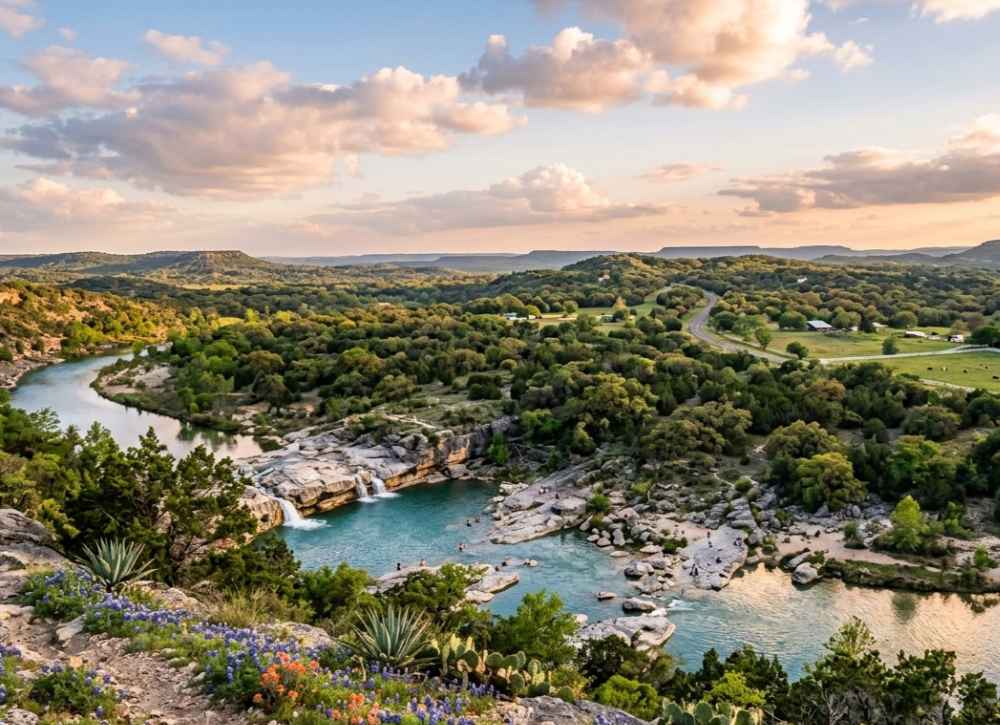
In the top half of the state, the zones overlap based on how far the Arctic blasts can reach each winter. North Texas is a perfect example of this overlap, stretching from Zone 6b near the Oklahoma border down to Zone 8b near the metro areas of Dallas and Fort Worth.
In Zone 6b, winter temperatures can range from -5°F to 0°F. This is very cold for Texas, and gardeners in this area need to choose plants that can withstand serious freezes.
As you move closer to Dallas and Fort Worth, the temperatures become milder. Zone 8a sees winter lows between 10°F and 15°F, while Zone 8b stays between 15°F and 20°F.
If you travel toward West Texas, the zones stay similar, mostly Zone 7 and Zone 8, but the air becomes much drier. In Zone 7a, winter temperatures can fall between 0°F and 5°F, while Zone 7b stays between 5°F and 10°F.
Even though a plant in the west might be in the same Zone 8 as a plant in the east, the lack of humidity in the west means the winter nights feel much sharper and more intense.
This is why Zone 8 plants for the dry west must be tougher than those grown in the humid east. The dry air quickly pulls moisture from plant leaves, and the temperature swings between day and night are much more extreme.
The Central Texas Transition: Zones 8a to 9a
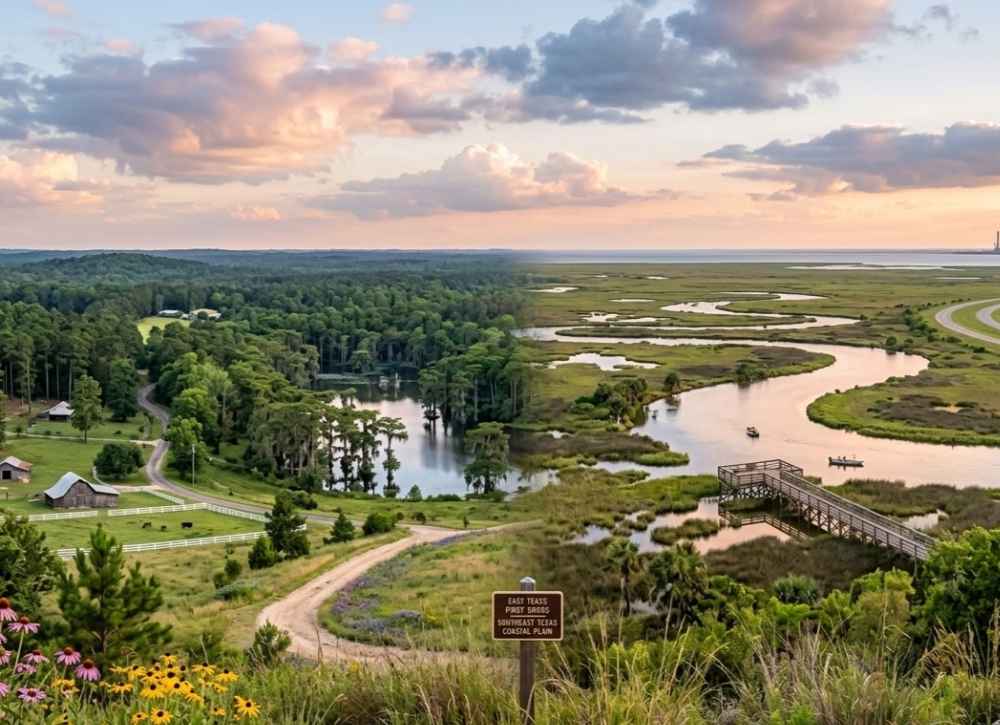
As you move into the heart of the state, you enter a major transition area. Central Texas is where the cooler northern air meets the warm southern breeze, creating a unique gardening environment.
This region is dominated by Zone 8b, where winter lows range from 15°F to 20°F. But as you get closer to the hills of Austin, it begins to overlap with Zone 9a, where temperatures rarely drop below 20°F to 25°F.
Because this area has thin, rocky soil full of limestone, the planting zone number is only half the story. A Zone 9 plant might survive the mild winter temperature here, but it might struggle with the rocky ground that does not hold water well.
The soil in Central Texas is very alkaline, meaning it is rich in lime. This is the opposite of the acidic soil found in East Texas. Many plants that love acid, like azaleas and blueberries, will struggle here even if the temperature is perfect for them.
This overlap makes Central Texas a unique middle ground where you can grow both hardy northern shrubs and some warmer southern flowers. The key is to choose plants that can handle both the temperature and the challenging soil conditions.
The Humid Overlap: East and Southeast Texas
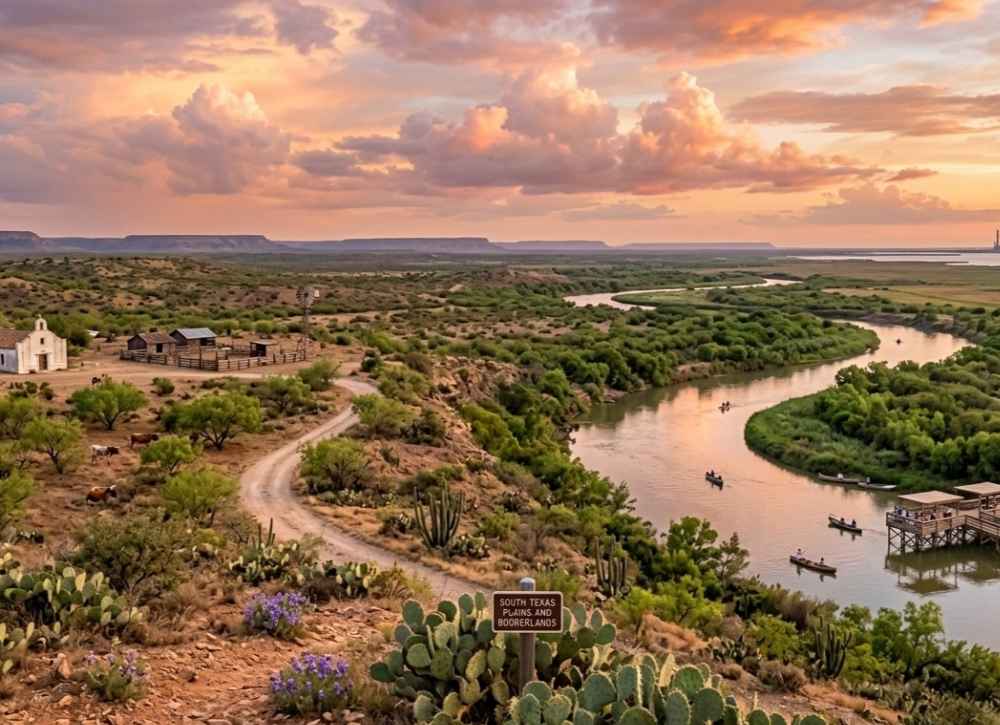
T
he eastern side of the state is defined by moisture. East Texas is mostly Zone 8a and 8b, which overlaps with the same temperatures found in North Texas. In Zone 8a, winter lows fall between 10°F and 15°F, while Zone 8b stays between 15°F and 20°F.
However, because of the tall trees and high rainfall in this region, the ground does not freeze as deeply as it does in the open plains of the north and west. The thick forest canopy acts like a natural blanket, protecting the soil and plant roots from the coldest nights.
The soil here is also very different from the rest of Texas. East Texas has famous red sandy soil that is naturally acidic. This makes it perfect for acid-loving plants like camellias, azaleas, and blueberries that would struggle in Central Texas‘s limestone soil.
As you move into Southeast Texas and the areas around Houston, the map shifts to Zones 9a and 9b. In Zone 9a, winter lows stay between 20°F and 25°F, while Zone 9b is even warmer at 25°F to 30°F.
In this overlapping humid belt, the biggest threat to your plants is not just the cold. It is the dampness. The high humidity and heavy rainfall can lead to fungal diseases, root rot, and pest problems if you are not careful.
A Zone 9 plant here needs to handle wet roots and humid air, whereas a Zone 9 plant in the dry south needs to handle intense heat and drought. This is why picking the right plant for your specific location matters so much.
The Subtropical Edge: South Texas and Zone 10
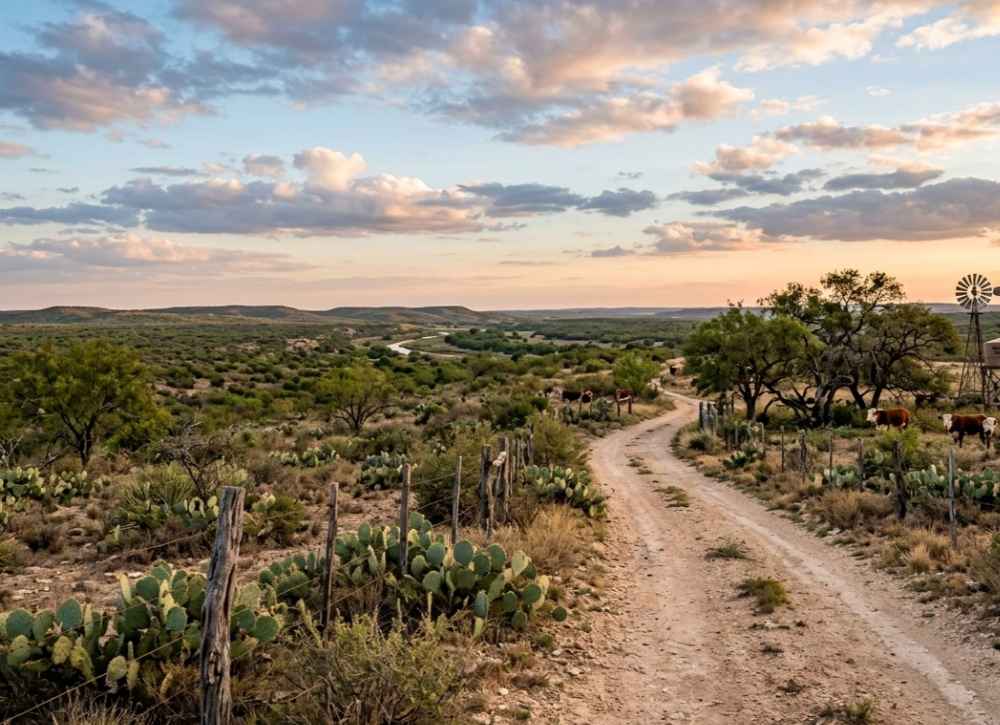
The very bottom of the state is where the zones reach their highest numbers. South Texas is a mix of Zone 9b and Zone 10a. This is the only part of Texas where the tropical belt exists.
While San Antonio sits at the gateway to Zone 9a, where winter lows range from 20°F to 25°F, cities further south rarely see a freeze at all.
In Zone 9b, winter temperatures stay between 25°F and 30°F. As you move into Zone 10a in the Rio Grande Valley near Brownsville and McAllen, winter lows rarely drop below 30°F to 35°F.
This overlap between the brush country and the coastal valley allows for a year-round growing season. In Zone 10a, you no longer need to garden for frost. You are gardening for the sun.
The intense summer heat and strong sunlight become your main challenges, not the cold. Many gardeners in this region use shade cloth and heavy mulching to protect their plants from the scorching afternoon sun.
This is the only part of Texas where you can grow true tropical plants like papayas, mangoes, and citrus trees without worrying about winter freezes. The Rio Grande Valley is famous for its Ruby Red grapefruit and orange groves, thanks to its ideal growing conditions.
Texas Planting Zones by Region and City
| Planting Zone | Winter Low Temperature | Region |
| Zone 6b | Minus 5°F to 0°F | Far North Texas, Panhandle |
| Zone 7a | 0°F to 5°F | Northern Panhandle, High Plains |
| Zone 7b | 5°F to 10°F | Southern Panhandle, Upper West Texas |
| Zone 8a | 10°F to 15°F | North Texas, West Texas, East Texas |
| Zone 8b | 15°F to 20°F | Central Texas, North Texas Metro, East Texas |
| Zone 9a | 20°F to 25°F | Central Texas, Southeast Texas, South Texas |
| Zone 9b | 25°F to 30°F | South Texas, Gulf Coast |
| Zone 10a | 30°F to 35°F | Rio Grande Valley, Southernmost Texas |
Quick Zone Overlap Reference
The Cold Belt, which includes Zones 6 and 7, is found in the far north and the High Plains of West Texas. Winter temperatures here can range from minus 5°F to 10°F.
The Middle Belt, which is Zone 8, overlaps across North, West, Central, and East Texas. This is the most common zone in the state, with winter lows ranging from 10°F to 20°F.
The Warm Belt, which is Zone 9, covers the Gulf Coast, Southeast Texas, and most of South Texas. Winter temperatures here range from 20°F to 30°F.
The Tropical Tip, which is Zone 10, is found only at the very bottom of South Texas, in the Rio Grande Valley. Winter lows rarely drop below 30°F to 35°F, making it perfect for tropical plants.
Why Understanding Texas Planting Zones Matter
Knowing your exact planting zone is the foundation of a successful garden in Texas. But remember that the zone number only indicates the coldest winter temperature.
You also need to consider your soil type, rainfall, and the humidity in your area. A Zone 8 garden in dry West Texas will look very different from a Zone 8 garden in humid East Texas, even though they share the same zone number.
The best approach is to combine your zone knowledge with an understanding of your local conditions. Choose plants that match both your winter temperatures and your soil and moisture levels for the best results.
Explore More Texas Gardening Guides
Texas Planting Zones by Region & City
| Statewide overview of Texas planting zones | Warm, tropical South Texas zones |
| Cold-snap prone North Texas zone | Humid, mild East Texas zone |
| Arid, alkaline West Texas zone | Transitional Central Texas zone |
| Zone guide for Dallas | Zone guide for Fort Worth |
| Zone guide for Houston | Zone guide for San Antonio |
| Zone guide for Austin | Full Texas growing season & frost dates |
Growing a Lawn in Texas
| Full guide to planting grass in Texas | Choosing the best grass for Texas |
| When to plant Bermuda grass | When to plant St. Augustine grass |
| When to plant Zoysia grass | When to plant Buffalo grass |
| When to plant rye grass | When grass starts growing in Texas |
| How often to water grass in Texas | When to fertilize grass in Texas |
| How to get rid of grass burrs |
Fruit Trees & Peaches in Texas
| The top fruit trees for Texas | When to plant peach seeds in Texas |
| When to plant a pear tree in Texas | When to plant fig tree cuttings in Texas |
| When peach season hits Fredericksburg | When to plant loquat seeds in Texas |
Vegetables & Herbs in Texas
| When to plant tomatoes in Texas | How often to water tomatoes in Texas |
| Is it too late to seed tomatoes in zone 9a? | When to plant lettuce in Texas |
Growing Garlic in Texas
| Full guide: when to plant garlic in Texas | Can you plant garlic in spring in Texas? |
| When to harvest garlic in Texas |
The same idea applies in cooler states like Ohio’s planting zones.