Planting something in Salem and watching it die without knowing why is one of the most frustrating things for a gardener. You water it, give it sunlight, and still it doesn’t survive. The real problem is usually not caring; it’s planting in the wrong zone at the wrong time.
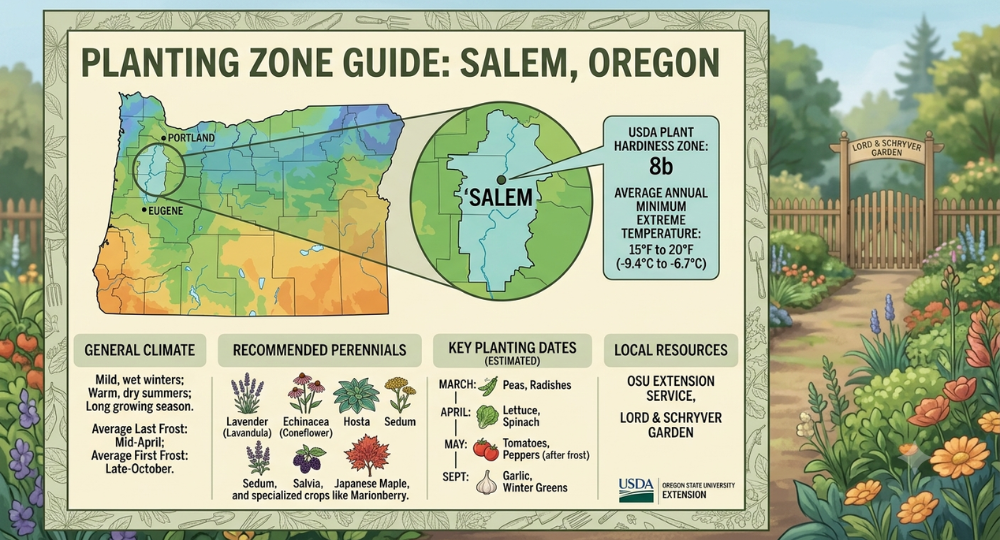
Salem, Oregon, has a mild but wet climate, and not every plant handles that well. Without knowing your zone, you end up wasting money on plants that will never survive your winters or summers. According to the USDA Plant Hardiness Zone Map, Salem falls in Zone 8b, where minimum winter temperatures range from 15°F to 20°F.
Once you know what planting zone Salem, Oregon, is in, everything clicks into place. You stop guessing and start choosing plants that actually belong here. This one piece of information can save you a full season of failed attempts.
What Planting Zone is Salem, Oregon? East, West, North, and South
Salem sits in USDA Hardiness Zone 8b across most of the city. This stays consistent whether you are on the east side, west side, north side, or south side of town.
The west side of Salem sits closer to the Coast Range foothills, which can bring slightly more moisture and cooler air in winter. Plants there may experience a touch more frost than someone gardening in the flat parts of central Salem.
The east side is more open and gets a bit more warmth from the valley sun during summer. This means heat-loving plants like tomatoes and peppers tend to do well there with less effort.
The north and south ends of Salem stay well within Zone 8b, too. The Willamette Valley’s geography keeps temperatures fairly steady throughout the area, so major zone shifts within the city are rare.
Gardening in Salem, Oregon
Gardening in Salem is genuinely rewarding once you work with the climate instead of against it. The long, wet winters and warm, dry summers create a rhythm that suits a wide range of vegetables, fruit trees, and flowering plants.
Cool-season crops like kale, lettuce, broccoli, and spinach thrive here. You can start them in early spring or even late summer for a fall harvest, and Salem’s mild winters let some of them stay in the ground longer than most places.
Warm-season crops need a bit more patience. Tomatoes, squash, and beans do well but should go in after the last frost, which in Salem typically occurs between late March and mid-April. Starting tomatoes indoors 6 to 8 weeks before transplanting gives you the best results in the Willamette Valley.
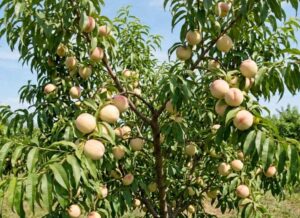
Fruit trees are one of Salem’s hidden strengths. Apple, pear, cherry, and plum trees all perform well in Zone 8b, and many Salem gardeners grow them with very little trouble once established.
FAQs
What planting zone is Salem, Oregon?
Salem, Oregon, is in USDA Hardiness Zone 8b. Minimum winter temperatures there typically range between 15°F and 20°F.
When is the last frost date in Salem, Oregon?
The average last frost in Salem falls between late March and mid-April. It is safest to wait until after April 15 before transplanting cold-sensitive plants outdoors.
Can I grow tomatoes in Salem, Oregon?
Yes, tomatoes grow well in Salem. Start them indoors in late February or early March, then move them outside after the frost risk passes.
What fruits grow best in Salem’s zone?
Apples, pears, cherries, and plums all do very well in Zone 8b. Blueberries are also a popular and productive choice in the Salem area.
Is Salem good for year-round gardening?
Salem is excellent for extended-season gardening. Cool-season crops can go in as early as February and as late as September, giving you nearly year-round harvests with the right planning.