Treated wood is tempting for a raised bed. It shrugs off rot and insects, and it can last two or three times longer than plain lumber before it falls apart.
But then the worry creeps in. You are growing food in that box, and the whole point of treated wood is that it is soaked in chemicals.
That single question stops a lot of people mid-project. Is it safe, or are you quietly poisoning your tomatoes?
Here is the honest answer this article will unpack. “Treated wood” is not one thing, and the safety depends entirely on which chemical went into the boards. Once you know that, the decision at the lumber aisle gets simple.
- Is Treated Wood Safe for Raised Beds?
- Can You Use Treated Lumber for Raised Garden Beds?
- How Much Chemical Actually Moves Into the Soil and Plants
- Growing Vegetables vs. Flowers in Treated Wood Beds
- How to Reduce Risk When Using Treated Wood
- Untreated Alternatives for Raised Beds
- Why the Treatment Type Matters More Than the Word "Treated"
Is Treated Wood Safe for Raised Beds?
For most home gardeners, modern residential pressure-treated wood is generally considered acceptable by university extension services. Safety, though, hinges on the treatment type, not the word “treated.”
First, the basics. Treated wood is lumber with preservatives forced deep into the grain under pressure, which is what lets it resist rot and insects like termites for years in damp ground.
The catch is that the chemistry has changed a lot over the decades. The board sold today is very different from one salvaged off an old deck.
So the real work is identifying the preservative. The subsections below walk through each type you might run into, from safe to avoid.
Modern Copper-Based Pressure-Treated Wood (ACQ, Copper Azole, Micronized Copper)
This is what fills the racks at home-improvement stores today. Common names include alkaline copper quaternary (ACQ), copper azole (CA), and micronized copper azole (MCA), the type University of Maryland Extension calls the most widely available residential preservative now.
They all rely on copper as the main ingredient. Copper fights fungus and insects, and it carries far less risk than the arsenic-based products it replaced.
The research here is reassuring. Extension guidance describes these copper treatments as low in toxicity, and the leaching studies below show copper stays close to the boards rather than spreading through the bed.
This is the wood most extension services say is acceptable for raised beds. If you are buying new lumber, this is almost certainly what you will find.
Older CCA-Treated Wood (Pre-2004)
Chromated copper arsenate, or CCA, ruled the market for decades. The problem was the arsenic in it, a known human toxin.
Because of that, manufacturers agreed to pull CCA from residential use, and University of Maryland Extension notes it was no longer available for home use as of 2004. The concern was arsenic leaching into soil and onto the hands of people touching the wood.
This is why old lumber is the real danger, not new boards. Salvaged decking, old fence panels, or mystery wood from a torn-down structure could easily be CCA.
The safe move is simple. Do not reuse old decking, fencing, or salvaged lumber of unknown age for a food bed, since you cannot tell CCA from modern wood by looking.
Creosote and Pentachlorophenol-Treated Wood (Railroad Ties and Utility Poles)
Railroad ties look like the perfect rustic bed edging, and people use them constantly. That is a mistake for anything you eat.
These industrial treatments, creosote and pentachlorophenol (penta), are heavy-duty preservatives meant for railroad ties and utility poles. University of Maryland Extension lists both among the older treatments to avoid.
Creosote can leach oily residue and give off fumes in hot weather, and both chemicals carry health warnings. Keep them out of vegetable beds entirely, and treat them as edging only for non-food areas if you use them at all.
Borate-Treated Wood
Borate treatments, often labeled SBX or DOT, take a different approach. They use boron compounds that fight insects and fungus with low toxicity to people and pets.
That low-toxicity profile sounds ideal for a garden. There is a real catch, though, that makes borate wrong for bed walls.
Borate is water-soluble, which is exactly the problem. In wet, soil-contact conditions, it simply washes out of the wood over time, so the boards lose their protection fast and the treatment ends up in your soil.
Borate shines indoors, where it stays dry. For the damp walls of a raised bed, it is not a practical choice.
Heat-Treated vs. Chemically Fumigated Wood Pallets
Free pallets tempt every budget gardener, but the stamp on the side decides whether they belong in your garden. Learn to read it before you build.
Look for the IPPC stamp with a two-letter code. HT means the pallet was heat-treated, using high temperature alone to kill pests, with no chemicals added.
MB is the one to avoid. It stands for methyl bromide, a fumigant pesticide that has been phased out in many places for its toxicity and ozone harm.
The rule is easy. Choose HT-stamped pallets for a DIY bed, skip anything marked MB, and pass on unstamped pallets whose history you cannot confirm.
Can You Use Treated Lumber for Raised Garden Beds?
Yes, you can, as long as you pick the right product. Standing in the store, your job is to confirm the boards are a modern copper-based treatment rated for the conditions a bed puts them through.
This is a buying decision more than a safety debate. The two subsections below cover exactly what to check on the tag and which rating to grab.
How to Read the End Tag and Stamp
Every piece of treated lumber carries a stapled end tag, and it holds the answers. Read it before you load the cart.
The tag lists the preservative name, so look for copper-based terms like copper azole, micronized copper azole, or ACQ. It also states the retention level and the intended use, which tells you what the board was built to handle.
If the tag names arsenate or you see no tag at all, put it back. A modern copper product will say so plainly, and confirming that is the whole point of reading the stamp.
Ground-Contact vs. Above-Ground Rated Lumber
Treated lumber comes in different exposure ratings, set by the American Wood Protection Association use categories. The two you will see are above-ground and ground-contact.
Above-ground lumber (use category UC3) is built for decks and railings that stay dry and drain well. Ground-contact lumber (UC4A) carries more preservative, since it is designed to sit against damp earth.
A raised bed wall touches wet soil on one side all season. That makes ground-contact rated lumber the right pick, because above-ground boards will break down faster in that constant moisture.
How Much Chemical Actually Moves Into the Soil and Plants
This is the question that settles the whole debate, and the research is more reassuring than most people expect. The concern was always that copper would spread through the bed and into your food.
A study from Oregon State University tested exactly that. As reported by University of Maryland Extension, pressure-treated lumber raised soil copper by only a minor amount, and only within about one inch of the bed’s edge.
The more important finding was in the plants themselves. The study found no increase in copper concentration in the vegetables grown in beds built from that treated lumber.
In plain terms, the copper stays put and does not travel into your harvest. That gap between “in the soil near the board” and “in the food” is the key fact behind current extension guidance.
Growing Vegetables vs. Flowers in Treated Wood Beds
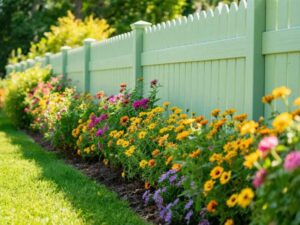
The level of concern shifts depending on what you grow. For a flower bed, treated wood barely raises an eyebrow, since nothing goes on your plate.
Edible crops deserve more thought, especially two kinds. Root crops like carrots and beets grow right in the soil, and leafy greens can hold traces of what is around them, so these sit closest to any edge effect.
Even so, the research above shows uptake stays minimal with modern copper wood. The caution is about being sensible near the walls, not about avoiding food beds altogether.
There is one hard rule worth knowing. Under USDA organic regulations (7 CFR 205.206), lumber treated with arsenate or other prohibited materials cannot be used for new soil-contact installations in certified organic production, which rules out treated lumber for organic-certified food beds.
How to Reduce Risk When Using Treated Wood
If you decide to build with modern treated lumber, a few precautions push the risk close to zero. Each one ties directly to how the bed is built and used.
None of these are complicated. Together they create a clean separation between the wood and your food.
Lining the Inside Walls of the Bed
The simplest barrier is a physical one. Staple a heavy plastic liner along the inner walls so the soil never touches the wood directly, a method University of Maryland Extension lists alongside painting or staining the boards.
One detail matters here. Leave the bottom of the bed open and unlined, so water still drains freely instead of pooling around the roots.
Keeping Root Crops Away From the Edges
The leaching research points to one easy habit. Since any copper stays within roughly an inch of the boards, plant your carrots, beets, and other root crops a few inches in from the walls.
Save the outer edge for flowers, herbs you will wash well, or a simple buffer strip. This costs you almost no growing space and sidesteps the one zone where trace copper sits.
Safe Handling While Cutting and Building
Most of the real exposure happens during the build, not the growing. The sawdust is the part to respect.
Wear gloves and a dust mask, and cut the boards outdoors where dust can scatter. Sweep up every scrap of sawdust when you finish, since you do not want it in the soil or your lungs.
One rule is absolute. Never burn treated wood scraps, because burning concentrates the preservatives into toxic smoke and ash.
Untreated Alternatives for Raised Beds
Plenty of gardeners would simply rather skip treated wood, and good options exist. These last for years without any preservative at all.
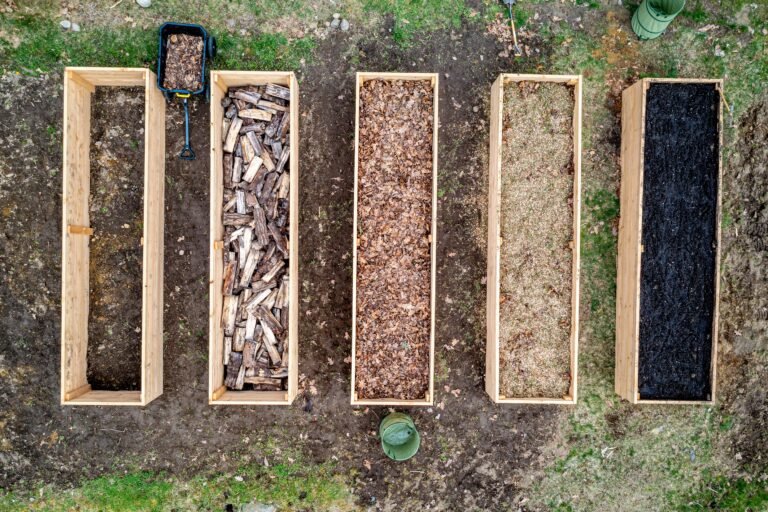
Naturally rot-resistant woods lead the list, including cedar, redwood, and black locust. Beyond wood, galvanized steel, stone or concrete block, and composite boards all make durable, chemical-free walls.
Each costs more upfront than treated pine, but you trade that for total peace of mind. Pick based on your budget and the look you want.
Why the Treatment Type Matters More Than the Word “Treated”
Step back and the whole issue comes down to one idea. “Treated” is not a single thing, so treating it as one good-or-bad label is where people go wrong.
Modern copper-based lumber is a world apart from old arsenic CCA, creosote ties, or a methyl-bromide pallet. The chemistry, and the era it came from, decides everything.
So make your call at the lumber aisle with one move. Read the tag, confirm it is a modern copper-based, ground-contact product, and build with confidence, or reach for cedar or steel if you would rather not think about it at all.