Imagine a warm summer evening, sitting in your garden with a cup of tea, soaking in the peace, sounds perfect, doesn’t it?
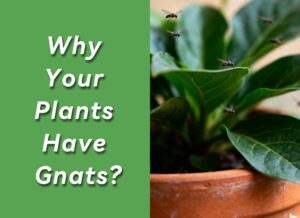
But all too often, this tranquil scene is ruined by tiny, buzzing gnats hovering right in your face. These gnats are more than just a nuisance; they can actually damage your plants.
If you find yourself unable to enjoy the beauty of your backyard because of these uninvited guests, don’t worry.
In this article, we’ll explore how to get rid of gnats in your yard with easy, natural ways to banish gnats for good and reclaim your outdoor sanctuary.
- How to Get Rid Of Gnats in Your Back Yard? 4 Things You Need to Know
- Clear Away Yard Debris to Stop Gnat Breeding
- Manage Your Mulch to Prevent Gnat Swarms
- Control Watering in Pots and Trays
- Organize Your Tools and Storage Areas
- Prune Your Plants to Improve Airflow and Keep Gnats Away
- Maximize Sunlight to Dry Out Gnat Habitats
- Aerate Your Soil to Eliminate Hidden Moisture
- Use Forced Airflow to Blow Gnats Away
- Apply a Top Dressing to Seal the Soil
- Switch Bottom Watering for Potted Plants
- Master Surface Drying to Kill Gnat Larvae
- The "Bti" Drench (Bacteria)
- The "Nematode" Soak (Tiny Worms)
- Oxygen Boost (Hydrogen Peroxide)
- The Cinnamon Shield
- Garlic Water
- Neem Oil
- Baking Soda
- Yellow Sticky Ribbons
- Vinegar Bowls
- Plant a Scent Barrier
- Invite the "Air Patrol"
How to Get Rid Of Gnats in Your Back Yard? 4 Things You Need to Know
Actually, gnats don’t just appear out of nowhere; they are invited by specific conditions hidden right in your yard.
There are several reasons behind these swarms, and the truth is, you can’t truly get rid of them until you understand what is attracting them in the first place.
According to pest control experts at Orkin, gnats, especially fungus gnats, thrive in cool, damp, and shaded areas that are rich in organic debris like grass clippings and fallen leaves.
Your plants themselves may attract them; that’s why your indoor and outdoor plants have gnats buzzing around them.
By considering sanitation, improving airflow, increasing light exposure, modifying soil surface, and applying biological techniques, you can destroy their breeding grounds. Here are the details of these steps you can follow.
How to Get Rid of Gnats in the Yard with Sanitation?
The real secret to winning the war against gnats starts with simple cleanliness. Think of your yard as a kitchen; if there are crumbs and spills everywhere, you’re going to have pests.
Gnats are naturally drawn to “yard filth” and decaying organic matter because it provides both a home and a constant food supply for them.
You might not know it, but piles of wet leaves in your yard invite gnats to stay. Old grass clippings and fallen fruit also act like a “free buffet” for them.
If you don’t clear this damp waste, no treatment will be effective anymore because gnats will continue to return. So first, take a look at the following sanitation cleaning steps.
Clear Away Yard Debris to Stop Gnat Breeding
Take a walk through your yard and examine the ground closely.
1) Scrub algae or biofilm from hard surfaces, such as patios, paths, pot saucers, birdbaths, etc. That slick surface is exactly where gnats love to congregate.
2) Decaying plant material is prime gnat habitat. Rake up leaf litter, grass clippings, and rotting fruit frequently.
3) Bag or compost this waste (in a sealed bin); don’t let it accumulate near plant stems or in mulch.
4) Scoop pet droppings and urination spots right away. These moist, organic patches attract various flies.
Manage Your Mulch to Prevent Gnat Swarms
Mulch is great for plants, but it can be a “gnat hotel” if left unattended.
1) Grab a rake and start flipping your mulch layers to let the air reach the damp soil underneath and dry out hidden eggs.
2) If you notice a sour or “rotten” smell, instead of completely flipping, just thin out your mulch layer significantly to allow the sun to dry the soil for a few days.
3) If you spot any moldy organic fertilizer or fuzzy white growth on the surface, scoop it out and toss it.
4) Shaded corners with tight stems can trap humidity. Make sure there is a small circle of bare soil between your plant’s stem and the mulch. This gap prevents the base of plants from staying too moist under mulch, reducing gnat access.
Control Watering in Pots and Trays
Now, look at your container garden.
1) Those saucers and trays under your pots often collect a film of algae; give them a good scrubbing to keep the water clean.
2) Check the bottom of every pot to ensure drainage holes aren’t clogged with roots or dirt. If water sits at the bottom, gnats will breed there in hours.
3) When reusing pots or transplanting, wash containers with a mild bleach or soap solution. This kills lingering fungal spores and microbial food sources that feed larvae.
Organize Your Tools and Storage Areas
Elevating pots improves air circulation under them and ensures excess water drains away (soil stays drier).
1) Store potted plants on stands or shelves so the bottoms aren’t sitting on soil or damp ground.
2) Reduce the clutter in these corners to let the breeze move through. A professional move is to use raised platforms or stands to allow the area under the container to dry out completely.
3) Wipe and disinfect shovels, pruners, and other tools after use to remove soil and fungal debris. Also, sweep up spills of compost or soil in storage sheds.
How Air and Light Improvement Keep Gnats Away from the Yard?
Because gnats love dark and damp corners, you also need to improve airflow and light exposure. If your yard has too much shade or thick bushes, air cannot flow through.
This keeps the ground wet for a long time, creating stagnant, shadowy spots that are the perfect hiding and breeding places for gnats. Also consider the following steps.
Prune Your Plants to Improve Airflow and Keep Gnats Away
Gnats are weak fliers, and they absolutely hate the sun. So, take advantage of this weakness and drive gnats out of your yard for good.
1) Look for your thickest bushes and trim a few branches from the middle to let the air blow through the plant, not just around it.
2) Trim away the very bottom branches that are touching or hovering just above the soil to open up the ground level.
3) Do some perimeter hedge trimming to ensure a breeze can actually enter your yard rather than being blocked by a wall of leaves.
4) Experts on gardeningknowhow mention that overpruning can stress your plants and make them more vulnerable to other pests. When pruning, be careful not to remove more than 25-30% of a plant’s foliage at once.
Maximize Sunlight to Dry Out Gnat Habitats
Sunlight is the best natural disinfectant to dry out the gnats’ eggs.
1) If you have deep shade, consider overhanging limb thinning on nearby trees to let “dappled” light reach the ground.
2) In lawn and garden beds, keep grass mown at a moderate height and remove overhanging limbs or reflective barriers.
3) Bright, hot soil deters gnats. Using light-colored gravel or reflective mulch can even help bounce light into dark corners.
4) Because shorter grass allows the sun to reach the soil surface and dry it out faster, cut your lawn slightly shorter during gnat season.
Aerate Your Soil to Eliminate Hidden Moisture
Gnats love “tight” soil that holds water like a sponge.
1) Take a hoe and start breaking the crust of your flower beds. This simple act of hoeing allows the soil to breathe and dry.
2) For your lawn, lawn core aeration (removing small plugs of dirt) is a game-changer; it stops water from pooling on the surface.
3) If your ground feels like concrete, sub-soil d-compaction with a garden fork will help water sink deep down rather than sitting on top.
4) Loosen or replace the top 1–2 inches of soil, especially potting soil, because it will remove many eggs/larvae and break moist layers.
Use Forced Airflow to Blow Gnats Away
If the air feels still and “heavy,” you need to move it manually.
1) Set up fans or blowers to create a breeze in problem areas. Gnats are weak fliers, so even gentle fans (on patios or near plant clusters) can keep them at bay.
2) For heavy infestations near a patio or seating area, strategic outdoor fan placement can work wonders. Even a low-speed oscillating fan makes it impossible for gnats to land or mate.
3) In potted plant groupings, space pots apart to allow cross-ventilation. Moving plants outdoors on windy days will often clear out adult gnats.
4) When planting new additions, always use proper plant spacing to ensure your garden never becomes a stagnant jungle again.
How to Keep Gnats Away in the Yard By Modifying the Soil Surface?
In your backyard or garden, the soil surface is where the real gnat problem begins. Gnats look for soft, wet dirt to lay their eggs. If the top of your soil stays damp, it provides the perfect “nursery” for thousands of new gnats.
Even if you kill the flying ones, more will keep hatching from the wet ground. To stop this, you have to change the texture and moisture level of the surface.
Apply a Top Dressing to Seal the Soil
The goal here is to make the soil surface too dry and tough for gnats to lay their eggs. If they can’t reach the moist dirt, it means they can’t breed.
1) Sprinkle ¼–½ inch of coarse sand, pea gravel, perlite, pumice, or decorative stone on top of potting soil or garden beds.
2) On a dry day, sprinkle a thin layer of food-grade DE (Diatomaceous Earth) on the surface to physically dehydrate any insect that tries to crawl across it. (DE will kill other soil insects too, so use it only on infested containers.)
3) In summer days, choose termite-resistant mulch such as cedar chips, cypress, or stones to repel gnats without inviting termites.
Switch Bottom Watering for Potted Plants
Gnats only care about the top inch of soil. Bottom watering ensures soil is dry for gnats, while keeping roots hydrated underground.
1) Use pots that have a water tank at the bottom. These pots are perfect for stopping gnat infestations because the plant drinks from the roots, but the top layer of soil stays dusty and dry.
2) Instead of pouring water on top, place your pots in a tray of water for 15 to 30 minutes. Let the soil “wick” the water upward so the surface never gets wet.
3) For your garden beds, use drip lines that deliver water directly to the roots. By targeted root watering, you avoid soaking the entire surface of your yard.
Master Surface Drying to Kill Gnat Larvae
The faster your soil dries, the less time gnats have to move in. You need to manage your yard so that moisture disappears quickly.
1) Always water your plants in the early morning because it gives the sun and wind all day to dry out the surface before the cool, damp night→ which is when gnats are most active.
2) You can also use a natural wetting agent to allow the water sink deep into the ground quickly, rather than sitting on the surface and attracting bugs.
3) After watering, give the soil a quick stir with a hand rake to help the top layer dry out in hours instead of days.
4) If you choose to use sand as a barrier, make sure it is “coarse” (like builder’s sand). Fine play sand can sometimes pack too tightly and choke your plant’s roots.
How to Get Rid Of Gnats in the Yard with Biological Methods?
When gnats infest a yard filled with plants and flowers, the problem is often rooted deep within the soil. Gnats are drawn to the moist, nutrient-rich earth around your plants, where they lay their eggs.
Once these eggs hatch, the larvae begin to feed on delicate plant roots, damaging your overall plant. In a garden full of life, you cannot always use harsh chemicals without hurting your plants or good bugs.
This is where biological methods eliminate the next generation of pests while keeping your plants, pets, and the local environment perfectly safe.
Use Biological Warfare: Bacteria and Microscopic Hunters
Gnat and mosquito larvae live in the top layers of damp soil. To clear out your yard, use these “biological cleaners”:
The “Bti” Drench (Bacteria)
Buy Bti products (like Mosquito Bits). Instead of just putting them in a pot, mix them into a watering can and drench the dampest areas of your yard, under decks, near downspouts, or in shaded mulch beds.
The bacteria kill the larvae within days, but are safe for pets and birds. Read More about BTI for fungus gnats.
The “Nematode” Soak (Tiny Worms)
You can buy “Beneficial Nematodes” (specifically Steinernema feltiae). Mix these microscopic hunters with water and spray them over your lawn or garden beds using a hose-end sprayer.
They will crawl through the soil, find the gnat larvae, and eat them. Keep the soil moist for a few days after applying so the worms can move around and hunt. Read More about nematodes for gnats.
Mix Your Own Home Remedies for Soil Drenching
If you have specific “hot spots” in your yard where gnats are swarming, use these household solutions:
Oxygen Boost (Hydrogen Peroxide)
Mix 1 part hydrogen peroxide with 8 parts water. Pour this directly onto fizzy, swampy soil or thick mulch.
It kills larvae on contact and adds oxygen to the dirt, which helps prevent the rot that gnats love. Read More about hydrogen peroxide for gnats.
The Cinnamon Shield
If you have a shaded area or a mulch bed that smells a bit moldy, sprinkle ground cinnamon over the surface. Cinnamon is a natural fungus-killer.
By killing the fungus, you are essentially “starving” the gnats by removing their food source. Read more about cinnamon for gnats.
Garlic Water
Gnats hate the strong smell of garlic. When you spray your yard, it hides the smells they like, so they stay away from your home.
Boil crushed garlic in water, strain it, and use a garden sprayer to coat your patio edges, shaded mulch, and damp soil areas. Read more about garlic water for gnats.
Neem Oil
Neem oil targets the baby gnats hiding in the ground. It stops them from growing into flying bugs, which ends the problem in your yard.
Mix it with water and a drop of soap, then drench the “hot spots” of your yard, like under leaky faucets or heavy shade where the ground stays wet. Read more about neem oil for gnats.
Baking Soda
Baby gnats eat fungus in the dirt, and baking soda kills that fungus. Without food, the gnats cannot survive in your yard.
Dissolve baking soda in water and lightly spray the surface of your lawn or garden beds. Focus on areas where you see green moss or fungal growth on the dirt, as these are gnat “cafeterias.” Read more about baking soda for gnats.
Set Traps to Catch Adult Gnats
To stop the gnat’s life cycle, you have to catch the flying adults before they can lay more eggs in your soil.
Yellow Sticky Ribbons
Hang yellow sticky traps from low tree branches or stakes driven into the ground. Gnats are naturally attracted to the color yellow and will get stuck. Read More about using yellow sticky traps.
Vinegar Bowls
Place small bowls of apple cider vinegar mixed with a drop of dish soap near your compost pile or patio.
The gnats are drawn to the fermenting smell and will drown in the liquid. Read more about vinegar traps for gnats.
Note: Avoid using all these treatments at once. Every yard is different, so it’s essential to check for potential side effects on your specific plants before starting. For detailed instructions and safety tips, refer to the linked guides above, which explain exactly how each method affects both the gnats and your plants.
Design a “No-Gnat” Yard from the Ground Up
The best long-term strategy is to make your yard a place where gnats don’t want to live while inviting “helpers” in.
Plant a Scent Barrier
Grow herbs like Lavender, Rosemary, and Marigolds around your patio or the perimeter of your yard.
These plants have strong scents that mask the smells gnats use to find breeding spots. Check out the 20+ list of plants that repel gnats.
Invite the “Air Patrol”
Avoid using harsh chemical sprays that kill “good” bugs. If you keep your yard chemical-free, Dragonflies, Spiders, and Birds will move in. One dragonfly can eat hundreds of gnats a day, acting as a natural, free pest control service.