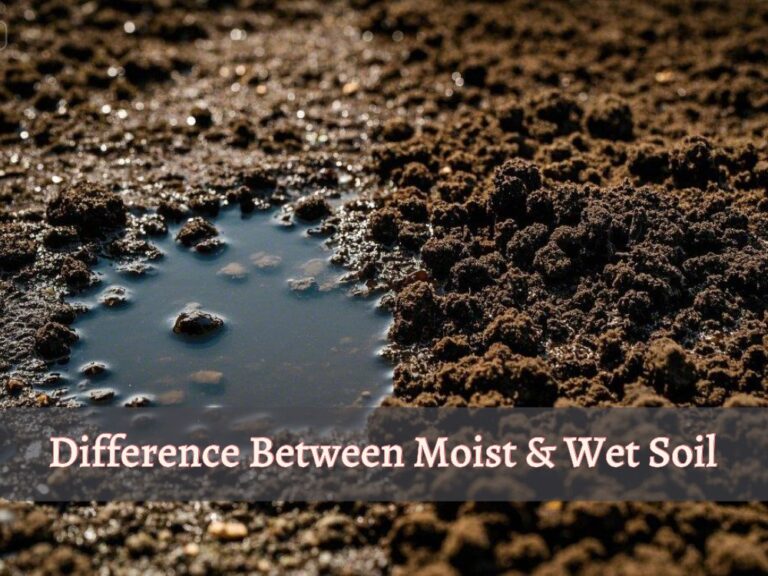
Damp soil is soil that feels cool and lightly moist to the touch. It holds mild moisture and forms a loose clump when squeezed, without dripping any water. Moist soil holds more even moisture all the way through and springs back when you poke it, while wet soil is oversaturated and drips when pressed. In simple terms, damp soil is lightly wet, moist soil is evenly wet, and wet soil is too wet.
If you have ever been told to keep the soil moist but not wet, you have probably wondered where that line actually sits. Damp, moist, wet, soggy: these words get thrown around as if they all mean the same thing, and for a beginner that advice ends up more confusing than helpful.
So let us clear it up for good. Once you can read what your soil is telling you, watering stops being guesswork, and your plants stop paying the price for the confusion. This guide walks through what each term really means, how to tell them apart with your own hands, and how to keep your soil in the healthy range.
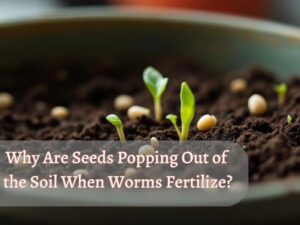
💡 Do You Know? Seeds sometimes pop back out of the soil because of excess moisture, compaction, or worm activity. If your seeds will not stay put, here is why seeds pop out of the soil and how to fix it.
- What Does Damp Soil Mean?
- The Role of Soil Moisture in Gardening
- What Is Moist Soil?
- What Is Wet Soil?
- Damp vs Moist vs Wet Soil: The Key Difference
- Why Wet Soil Is So Hard on Plants
- How to Check Your Soil Moisture
- How to Fix Wet or Soggy Soil
- Should You Water Damp Soil?
- How to Keep Soil Moist Instead of Wet
- Common Mistakes That Leave Soil Too Wet
- Final Thoughts
- FAQs
What Does Damp Soil Mean?
Damp soil means soil that carries a light, cool level of moisture. You can feel it on your skin, but it is not wet enough to leave your hand dripping. Squeeze a handful and it forms a loose clump that breaks apart easily, and no water runs out of it.
In everyday gardening, the words damp and moist are often used interchangeably, and for most conversations that is perfectly fine. The small practical difference is still worth knowing. Damp usually describes a cooler, surface level moisture that you notice the instant you touch the soil. Moist describes even moisture held all the way down through the root zone, where it matters most for the plant. Think of damp as the lighter end of healthy, and wet as the point where healthy tips into harmful.
The reason this matters is simple. Most plants want their roots sitting in soil that is damp to moist, never bone dry and never saturated. Learning to recognize damp soil by feel is the first step toward watering with confidence instead of habit.
The Role of Soil Moisture in Gardening
Soil is the foundation that everything else in your garden depends on, and its moisture level directly shapes how well your plants grow. Water is only half of the story though. Healthy roots need water and air at the same time, so soil moisture is really a balance between the two.
Inside healthy soil there are countless tiny pockets between the particles. In balanced soil, some of those pockets hold water for the roots to drink, and the rest hold air so the roots can breathe. When you water correctly, you refill the water pockets without drowning the air pockets.
Tip too far toward wet, and water floods every pocket. Roots can no longer take in oxygen, they begin to suffocate, and rot sets in. Tip too far toward dry, and there is not enough water left to support the plant, so leaves wilt, droop, and brown at the edges. The advice to keep soil moist but not wet is really just a shorthand for holding that water and air balance steady.
Getting there starts with reading your plant, not the calendar. Learn to spot the signs your plant actually needs water before you reach for the hose. And if a plant is struggling for reasons that watering alone cannot explain, here are 10 reasons plants do not thrive in their environment.
What Is Moist Soil?

Moist soil holds enough water to feel cool, soft, and slightly spongy, a little like a sponge that you have dipped in water and then wrung out. It is damp all the way through, but nothing drips when you pick it up. This is the condition most plants are happiest in, because it delivers water and oxygen to the roots at the same time.
How to identify moist soil:
- It feels cool and moist, yet no water drips out when you hold it.
- Pressed into your fist, it holds its shape, then crumbles apart the moment you open your hand.
- Push a finger in and it feels soft and giving, never sopping and never submerged.
- The color is darker than dry soil, but the surface is not shiny or glistening.
Moist soil is the sweet spot that watering guides keep pointing you back to. If you are not sure how often that means in practice for your plants, this guide on how often to water your plants breaks it down by situation.
What Is Wet Soil?

Wet soil is fully soaked and saturated. Water has filled the tiny air pockets between the soil particles, leaving almost no room for oxygen. That missing air is exactly what makes constantly wet soil so hard on plants, because the roots simply cannot breathe and growth grinds to a halt.
Wet soil usually appears after heavy watering or steady rain, or in spots where drainage is poor and water has nowhere to escape. Compacted ground and a high water table can both keep soil wet long after the rain has stopped. Picture a saturated sponge that drips the moment you lift it, or thick mud that oozes water after a storm.
How to identify wet soil:
- Water drips out when you hold a handful.
- It feels heavy, sticky, and cold rather than soft and springy.
- The surface may look dark and glossy, and puddles may sit on top.
- It can give off a sour or musty smell, which is a sign that oxygen is already running low.
Pro Tip: If water pools around your shoes when you step onto the bed, or the ground feels like it is sinking under your weight, the soil is wet, not moist.
Overwatering is the most common cause, and its early warning signs are easy to miss. This is what an overwatered plant looks like, and here is how to rescue one before root rot takes hold.
Damp vs Moist vs Wet Soil: The Key Difference

Here is the honest, one line version. Moist soil holds enough water to feed the roots while still leaving room for air. Wet soil is oversaturated, so water crowds out the oxygen that roots need. Damp sits just below moist, lightly wet and perfectly safe.
Proper oxygen flow is everything for healthy roots, and only damp to moist soil delivers it reliably. Leave roots sitting in wet soil for too long and that poor oxygen flow leads straight to root rot. The table below lays out the full range so you can place your own soil on the scale at a glance.
| Soil State | How It Feels | How It Looks | Squeeze Test | Good for Plants? |
|---|---|---|---|---|
| Dry | Hard, dusty, crumbly | Pale, cracked, pulls from pot edges | Falls apart, no clump | No, causes wilting |
| Damp | Cool, lightly moist | Slightly darker on top | Loose clump, no water | Yes, mild safe moisture |
| Moist | Cool, soft, spongy | Evenly dark, not shiny | Holds shape, springs apart, no drip | Yes, ideal for most plants |
| Wet | Heavy, sticky, cold | Dark and glistening | Drips when pressed | Risky, low oxygen |
| Waterlogged / Soggy | Muddy, squelchy | Very dark, water pooling | Water runs out freely | No, root rot and suffocation |
The easiest way to use this table is the squeeze test in the fourth column. Your soil will almost always match one row cleanly.
Why Wet Soil Is So Hard on Plants
It helps to understand why wet soil causes so much damage, because it makes the fixes make sense. Roots are living tissue, and like the rest of the plant they need oxygen to function. They pull that oxygen from the air pockets in the soil, not from the water itself.
When soil stays wet, those air pockets stay flooded. Within a day or two the roots begin to starve for oxygen, and they lose the ability to take up water and nutrients properly. This is why an overwatered plant can look thirsty and wilted even though the soil is soaking wet. On top of that, the airless, waterlogged environment is exactly what root rot fungi thrive in. Once rot spreads through the root system, the plant struggles to recover.
Dry soil causes problems too, but they tend to show up more slowly and are easier to reverse with a good watering. Wet soil damage is quieter and more dangerous, which is why many experienced gardeners lean toward slightly under watering rather than over watering when they are unsure.
How to Check Your Soil Moisture
You do not need a meter to read your soil. A few quick checks with your hands will tell you almost everything:
- Look at the surface. Dry soil looks light and dusty, while damp and moist soil looks darker. Wet soil looks dark and shiny.
- Dig down. The surface can lie, especially in hot weather when the top dries out while the root zone stays wet. Push in four to six inches, down to root level, and check there.
- Squeeze a handful. Dry soil will not clump at all. Damp soil forms a loose clump that breaks apart. Moist soil holds together and then crumbles when poked. Wet soil drips.
- Lift the pot. For container plants, a pot that feels surprisingly light is usually dry, while one that feels heavy is holding a lot of water.
If you are trying to work out whether a plant is getting too much or too little, this side by side on underwatered vs overwatered plants makes the symptoms easy to tell apart. A cheap moisture meter can help while you are learning, but your finger and the squeeze test will quickly become just as reliable.
How to Fix Wet or Soggy Soil
If your soil keeps coming up wet, the goal is better drainage and airflow so water can move through instead of pooling. Here is where to start:
- Stop watering until the top few inches dry out. Most wet soil problems are simply overwatering, and the first fix is to give the soil a chance to recover.
- Improve the structure. Work in sand, perlite, or compost to open up heavy soil and let water move through it. Amendments like calcium carbonate can also help balance soil where poor structure is the underlying issue.
- Use containers with drainage holes, and never let a pot sit in a saucer full of water.
- Raise or re-grade low spots in the garden where rainwater naturally collects. Raised beds are a reliable long term fix for ground that stays soggy.
- Move potted plants somewhere warm and airy so the extra moisture can evaporate faster.
Left unchecked, soggy soil usually shows up in your plants before anything else, often as yellowing leaves and soft, mushy stems near the base.
⚠️ Important Tip: Damp, poorly stored soil or mulch can attract termites. Watch for signs of termites in mulch, and pick a termite resistant mulch if the problem keeps returning.
Should You Water Damp Soil?
Usually, no. If the soil is already damp at root level, meaning cool and lightly moist four to six inches down, most plants do not need more water yet. Watering on top of damp soil is the fastest way to tip it into the wet, oxygen starved zone.
There are exceptions. Thirsty, fast draining plants, young seedlings, and hot dry weather can all pull damp soil down to dry within hours, so those cases may need a top up. The safest habit is to check the root zone rather than the surface, and to water only once the soil is genuinely starting to dry. When you are unsure, waiting a day rarely hurts a healthy plant, while overwatering often does.
How to Keep Soil Moist Instead of Wet
Keeping soil in the moist range is less about a schedule and more about a few reliable habits:
- Water on need, not habit. Learn your plant’s signals and check the soil before every watering instead of watching the clock.
- Improve drainage up front. Mixing sand, perlite, or compost into the soil lets excess water escape before it can pool.
- Always use containers with drainage holes, and empty any saucers after watering.
- Water deeply but less often. A thorough soak that reaches the root zone, followed by a drying period, builds stronger roots than frequent shallow sprinkles.
- Mulch the surface. A layer of mulch slows evaporation, so the soil stays evenly moist for longer without needing to be soaked.
- Match the plant to the spot. Choose drought tolerant plants for fast draining areas, and direct heavy rainwater away from your beds.
💡 Do You Know? Stored soil swings between bone dry and soggy when it is kept badly. Here is how to store potting soil the right way, plus DIY ways to store bulk garden soil so it stays moist but never wet.
Common Mistakes That Leave Soil Too Wet
A few everyday habits quietly push soil into the wet zone. Watering on a fixed schedule regardless of how the soil actually feels is the biggest one, because plants use water at very different rates depending on weather, season, and growth stage. Using pots without drainage holes traps water at the bottom where roots cannot escape it. Watering little and often keeps the surface damp while the root zone stays either too wet or too dry. And reaching for the hose the moment the surface looks dry ignores the fact that the soil below may still be holding plenty of water. Slowing down and checking the root zone first solves most of these on its own.
Final Thoughts
Telling damp, moist, and wet soil apart is one of those small skills that quietly changes how you garden. At first it feels technical, but after a few weeks of actually touching your soil it turns into instinct.
Remember the shape of it. Damp is lightly wet. Moist is the balanced sweet spot where roots get both water and air. Wet is oversaturated ground that slowly drowns them. Water toward moist and away from wet, and let your soil, not the calendar, tell you when. If you want the bigger picture on keeping plants healthy day to day, start with these plant care basics.
FAQs
Damp soil is soil holding a light, cool level of moisture. You can feel it on your skin, but it is not wet enough to drip. Squeezed, it forms a loose clump that falls apart easily.
Damp soil is lightly moist and safe for plants. Wet soil is saturated, drips when pressed, and pushes air out of the soil so roots cannot breathe.
Stop watering, move potted plants somewhere warm and airy, and improve drainage by mixing in perlite, sand, or compost. For garden beds, aerate the surface and redirect any standing water.
Not exactly. Clay holds water tightly and drains slowly, so it often reads as wet or heavy rather than evenly moist. Adding organic matter helps it hold balanced moisture instead.
Wet ground is soil saturated with water. The surface may glisten or pool, and it feels heavy and sticky underfoot, a sign that drainage cannot keep up.
For most plants, soil should stay in the damp to moist range most of the time, with a short drying period between waterings. A few drought tolerant plants prefer to dry out more fully, and a few moisture loving plants want to stay consistently damp, so it is always worth checking what your specific plant prefers.