If you’ve ever planted a lush hibiscus in May only to watch it surrender to a North Texas “Blue Norther” in January, you know that Dallas gardening is a game of high stakes.
But here is the secret: success in Big D isn’t just about how much you water, it’s about knowing your exact numbers.
As of the latest USDA Plant Hardiness Zone Map update, which remains the standard for Texas’ growing season, Dallas has officially shifted.
While old-timers might tell you we are a Zone 8a city, the updated data shows we are warming up, and most of us now find ourselves navigating the slight differences between Zone 8a and 8b in Dallas, Texas.
Understanding the Dallas Planting Zones: 8a vs. 8b
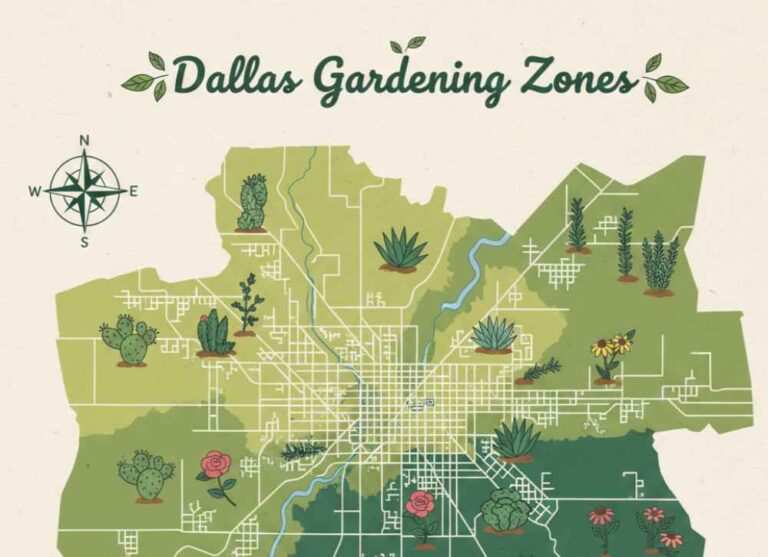
In the Dallas-Fort Worth Metroplex, the invisible line between Zone 8a and 8b often falls right through our backyards, and understanding which side you are on changes how you prepare for the winter.
The USDA classification is based on the average annual extreme minimum temperature, and even a five-degree difference can determine whether your favorite perennial returns in the spring or becomes a memory.
While these planting zones help us choose our trees and shrubs, they don’t always capture the full intensity of our local weather, which is why local context is so important for every Dallas gardener.
Gardening in USDA Planting Zone 8a of Dallas, Texas: The Northern Suburbs
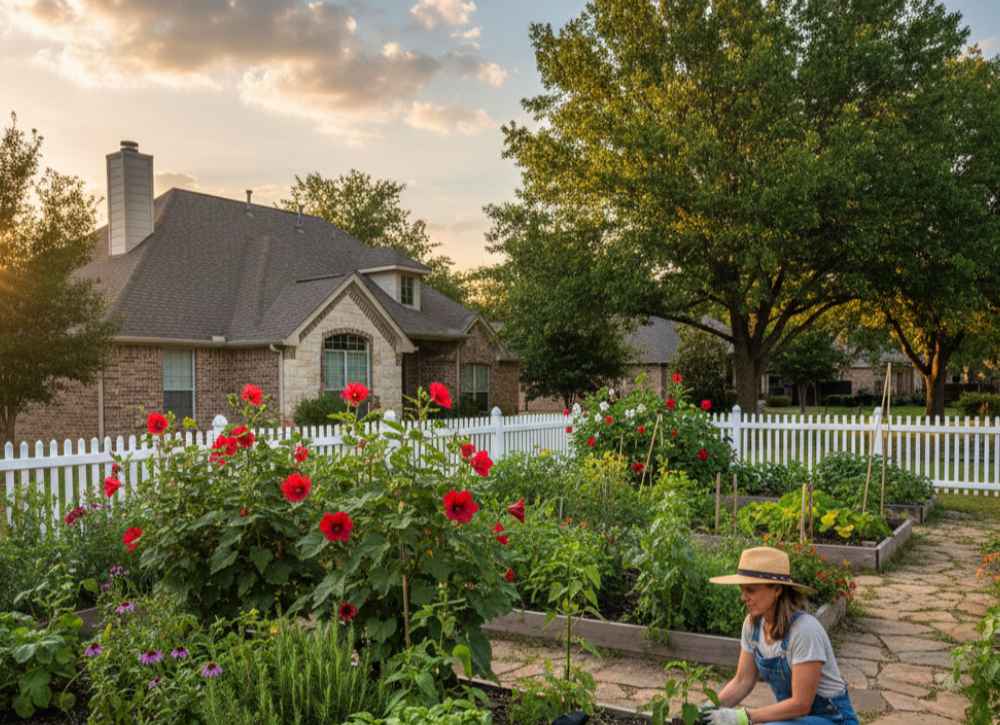
Zone 8a generally covers the cooler northern edges and outlying suburbs where the urban heat trap fades into the open prairie.
If you live in Plano, Frisco, McKinney, Allen, or Denton, you are likely in this zone. Here, the average annual extreme minimum temperature usually dips down to between 10°F and 15°F.
The climate in these northern spots has a bit more “bite” during Arctic blasts, and the soil is that famous Blackland Prairie clay, which is nutrient-rich but can act like concrete when it’s dry and heavy gumbo when it’s wet.
The biggest challenge for gardeners in this area is the freeze-thaw cycle, where plants might start budding during a warm February week only to be crushed by a late March frost.
For these gardens, tough natives like the Texas Red Oak or Cedar Elm provide a great canopy, while perennials like Autumn Sage and Coneflowers handle the temperature swings beautifully.
If you’re looking for vegetables, this zone is perfect for cool-season crops like lettuce, kale, broccoli, garlic, and Brussels sprouts during the spring and fall.
Gardening in USDA Planting Zone 8b: The Dallas City Core
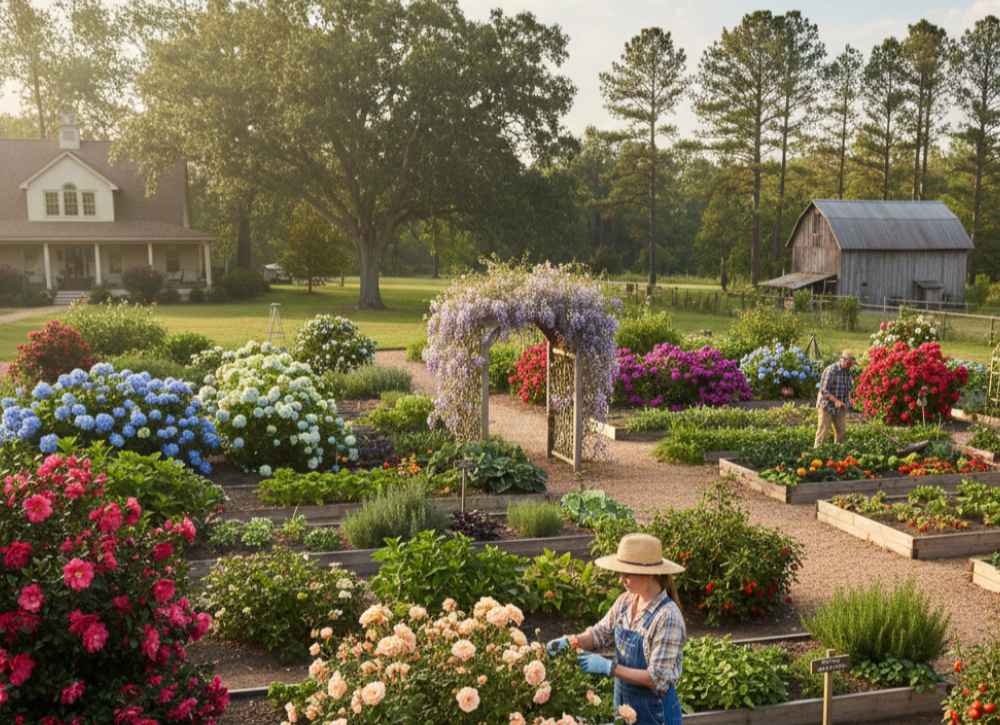
Moving toward the heart of the city, we find USDA Zone 8b, which covers the Dallas city core thanks to the Urban Heat Island effect. This includes Dallas proper, Highland Park, University Park, Mesquite, and Irving.
In these neighborhoods, the concrete and buildings hold onto warmth, keeping the temperature range a bit milder at 15°F to 20°F. While the air is slightly more humid than what you’d find in West Texas, it is still much drier than the coast.
The soil in these urban areas is often heavily compacted from years of development, so it usually needs some organic compost to help it breathe.
The main gardening challenge here is actually heat retention, because it’s a bit milder, your garden stays hotter for longer at night during July and August, which can really stress out plants that aren’t used to the heat.
However, this warmer pocket allows you to grow stunning Southern Live Oaks, Desert Willows, and even cold-hardy citrus like Satsuma Mandarins if you give them a little extra cover during a freak freeze.
For those wanting a pop of color, Lantana and Mexican Bush Sage are absolute champions in this urban heat.
Let’s Navigate the Dallas Climate and Soil Challenges
While the USDA zones tell us a lot about the cold, the real trick to Dallas gardening is respecting the heat and the calendar.
Dallas spends over 120 days a year with temperatures climbing above 86°F, so you have to garden by the calendar rather than just by the sunshine.
The first frost usually shows up in mid-November, and our last one departs around late March, specifically around March 20th for the metro area.
To keep your garden happy, it’s best to use plenty of mulch to protect those roots from the 100°F summer sun and the winter dips.
Since Texas’s clay soil doesn’t drain very well, many locals prefer gardening in raised beds to prevent root rot during the heavy spring rains.
If you remember to water deeply to encourage strong roots rather than just giving the surface a light sprinkle, your Dallas garden will be the envy of the neighborhood, regardless of which half-zone you call home.
Grid
Can You Plant Garlic in the Spring in Texas?
How long is the growing season in Texas? Average Frost Dates of 2026
When Is Peach Season in Texas, Fredericksburg, East Texas, and Hill Country?
What Is the Planting Zone for Texas? Zone 6b to 10a
What Planting Zone Is South Texas? Zone 9 and 10