You planted St. Augustine grass, but it just won’t grow the way you hoped. Right? The blades look thin, the color is off, and patches keep showing up no matter what you do. That is frustrating, especially after spending money on sod and putting in the work.
Most of the time, the problem is not the grass itself. It is the timing. Plant too early and the roots sit in cold soil and barely move. Plant too late, and the summer heat hits before the grass can get established, and you end up with dead patches that are hard to fix.
The best window is early spring through early summer, from around mid-March to late June, when soil temperatures are warm enough to support quicker root growth. Get that timing right, and the rest becomes much easier.
This guide covers exactly when to plant St. Augustine grass in Texas, how to fertilize it, water it, and cut it properly. Everything here is specific to Texas conditions, not just general advice you can find anywhere.
Best Time to Plant St. Augustine Grass in Texas
Timing is the one thing most people get wrong with St. Augustine grass. You can buy the best sod, prep the soil perfectly, and still struggle if you plant at the wrong time. The grass needs warm soil to push roots down, and without that, it just sits there and slowly declines.
For warm-season grasses like St. Augustine, the soil temperature should be between 65 and 70°F and air temperatures should range from 70 to 95°F during establishment. Once those conditions line up, the grass takes off quickly. Before that window, you are just wasting money and time.
Ideal Planting Season by Texas Region
Texas is a big state, and not every part of it warms up at the same time. What works in Houston in March might be too early for someone in Dallas or Lubbock. The region you are in changes your ideal planting window by several weeks.
St. Augustine sod can be planted year-round in many parts of Texas, but it is important to pay attention to environmental conditions, because successful establishment depends heavily on local climate factors. South Texas and the Gulf Coast warm up earlier, so planting in late March or early April is reasonable. North and Central Texas usually need to wait until late April or May before the soil is consistently warm enough.
In East Texas, the humidity helps the grass establish faster, so you have a bit more flexibility. West Texas is drier, which means you need to water more aggressively right after planting to make up for what the soil is losing. Knowing your region matters more than just picking a month off a calendar.
How Late Can You Plant St. Augustine Grass in Texas?
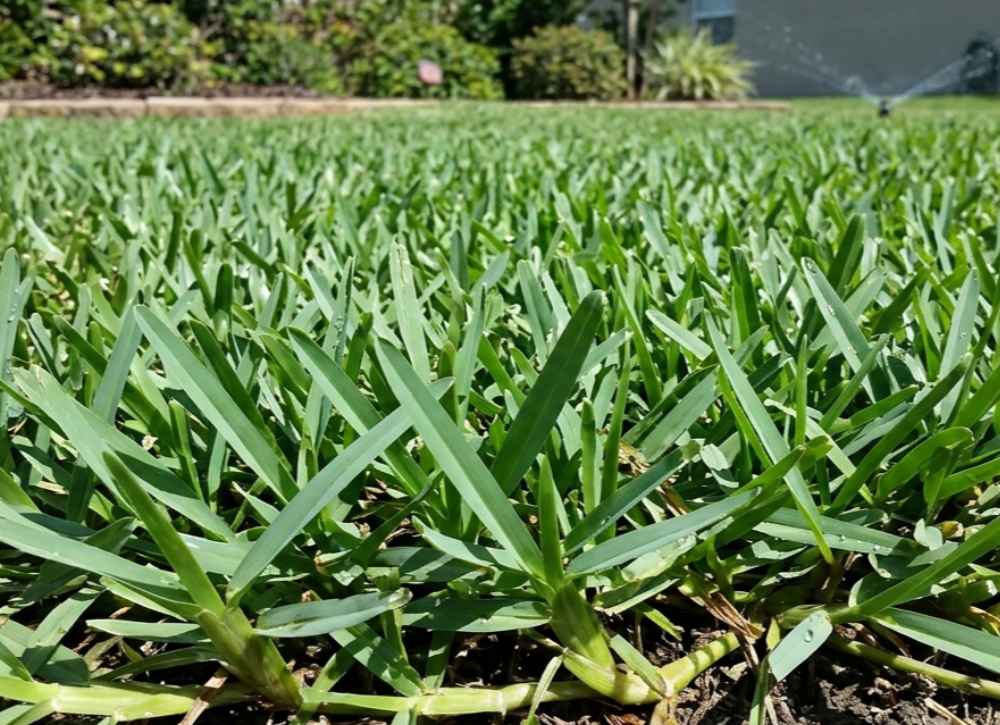
There is a common question that comes up every summer: is it too late to plant? The answer depends on where you are, but there is a real cutoff point that you should not push past.
Although it is possible to plant later in the season, homeowners in Texas often face challenges such as high temperatures and drought conditions, which make late planting risky. If you are planting past July, the new grass is fighting extreme heat before it even has a root system. That is a tough situation to recover from.
A good rule is to finish planting by mid-July at the absolute latest. After that, the heat stays too intense and the grass will need constant watering just to survive, let alone grow. If you miss the window, it is better to wait until early spring the following year than to rush it and lose the sod.
How to Fertilize St. Augustine Grass in Texas?
Fertilizing St. Augustine grass is not complicated, but the timing has to be right. Feed it too early and you risk frost damage. Feed it too late in the season and you push new growth that the grass cannot protect in cold weather.
St. Augustine grass fertilization should begin about three weeks after the grass turns green in early spring, and the lawn should continue to be fed during the most active growing season before backing off as it approaches dormancy. In Texas, that active period generally runs from April through September. That is your window to feed it consistently and see results.
According to Texas A&M AgriLife Extension, nitrogen needs for St. Augustine can range from 1 to 4 pounds per 1,000 square feet annually, depending on your soil type and how long your growing season is. Always do a soil test first so you are not just guessing. Too much fertilizer is just as harmful as too little.
How Often to Fertilize St. Augustine Grass in Texas
Once you know when to start, the next question is how often to apply. More is not always better with St. Augustine, and over-fertilizing is one of the most common mistakes Texas homeowners make.
A balanced fertilizer applied every 6 to 8 weeks during active growth works well, with the lawn requiring at least 1 pound of nitrogen per 1,000 square feet during peak growing periods. Stick to that schedule instead of randomly applying whenever the lawn looks pale. Random feeding creates uneven growth and can actually weaken the grass over time.
Fertilizing dormant grass wastes resources, and using high-nitrogen fertilizers late in the growing season promotes tender new growth that is more vulnerable to frost damage. So stop fertilizing around mid-September and let the grass naturally slow down and prepare for cooler temperatures.
How Often to Water St. Augustine Grass in Texas?
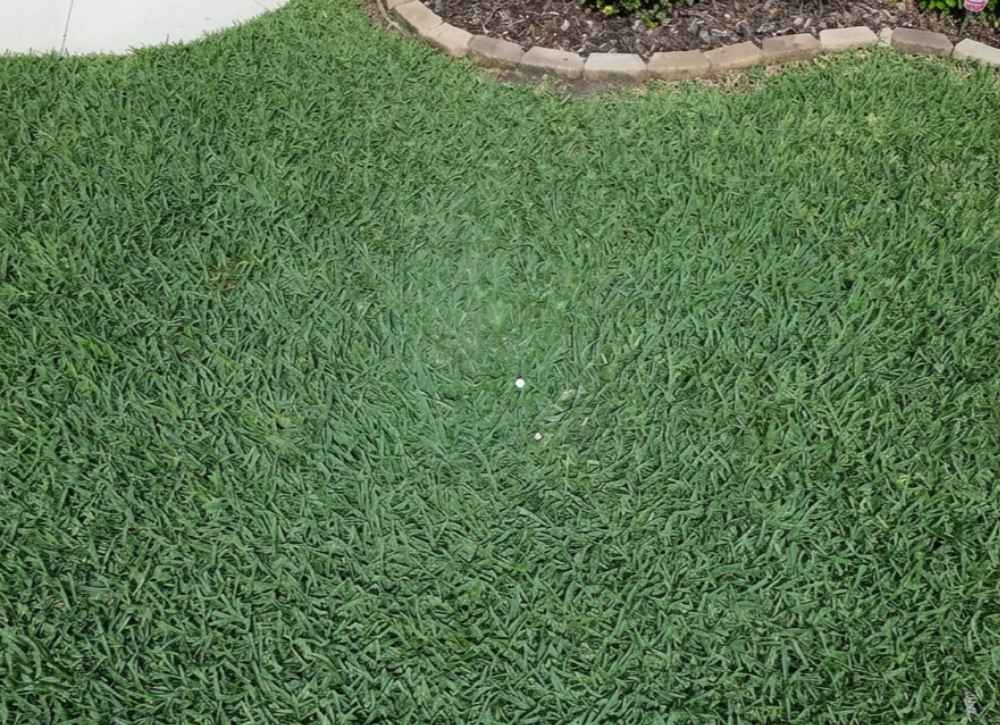
Watering is where a lot of people either overdo it or completely neglect the grass. St. Augustine does need moisture, but it does not want to sit in wet soil all the time. Getting the balance right makes a big difference in how the lawn looks and how healthy the roots are.
After coming out of dormancy, St. Augustine grass needs approximately 1 inch of water per week, divided into two or three sessions, and may need more frequent watering in sandy soils. Deep and infrequent watering is always better than shallow daily sprinkles, because it forces the roots to grow deeper into the soil.
How Much Water Does St. Augustine Grass Need in Texas?
The amount of water depends on your soil type, region, and the time of year. There is no single number that works for every lawn in every part of Texas.
For those near the Gulf Coast, about half an inch of water every three days is a good target, while during summer, even established lawns generally do not need watering more than once or twice a week. The key is to water deeply when you do water, not just wet the surface. Surface watering keeps roots shallow, and shallow roots cannot handle Texas summer heat.
In the hottest weeks of summer, your grass might show signs of drought stress like a blue-gray tint or visible footprints that linger after you walk across it. That is when you know it needs water soon. Do not wait until it starts turning brown.
How Long to Water St. Augustine Grass in Texas?
How long you run your sprinklers matters just as much as how often. Running them too briefly does nothing useful. Running them too long creates runoff and promotes disease.
The goal is to get water down about 6 inches into the soil. Most sprinkler systems need to run for 30 to 45 minutes per zone to achieve that, but you can check by placing a tuna can or small container in the lawn and seeing how long it takes to collect about half an inch. That simple test saves you from guessing.
Early morning is the best time to water, as it reduces evaporation and helps prevent fungal growth, which can be a real problem for St. Augustine in humid Texas conditions. Avoid evening watering because the grass sits wet overnight, and that is exactly when fungal diseases like brown patch take hold.
How High to Cut St. Augustine Grass in Texas?
Mowing height is one of those things that seems minor but actually shapes how your lawn handles heat, drought, and weeds. Cut too short, and you stress the grass. Cut too high, and thatch builds up faster than you can manage it.
The ideal mowing height for St. Augustine grass ranges from 2.5 to 4 inches depending on growing conditions, with shaded areas performing better when mowed at the higher end of that range, around 3 to 4 inches. During hot Texas summers, it is better to stay toward the higher end so the grass blades shade the soil and hold in moisture.
No matter what grass type you have, never cut more than one-third of the blade at a time, because cutting too much at once puts serious stress on the plant and makes it harder to recover, especially in heat. Mow weekly during peak season, keep your blades sharp, and raise the height slightly during drought stress. That is really all there is to it.
FAQs
Can I plant St. Augustine grass in summer in Texas?
You can, but it is risky after July. The heat hits the new sod hard before roots can form. Stick to spring or early summer for the best results.
When to fertilize St. Augustine grass in Texas for the first time?
Wait until the grass has been mowed at least twice in spring. That usually falls around late April or early May in most parts of Texas.
Why is my St. Augustine grass not spreading?
It is usually a watering or soil issue. Make sure you are watering deeply and that the soil is not compacted. Compacted soil blocks the stolons from making good contact and rooting properly.
What happens if I water St. Augustine grass too much?
Overwatering leads to shallow roots, fungal disease, and thatch buildup. It also makes the grass weaker and less able to handle dry spells when they hit.
How do I know if my St. Augustine grass needs water?
Look for a blue-gray color or footprints that stay visible after you walk across the lawn. Those are the two clearest signs the grass is thirsty and needs water soon.