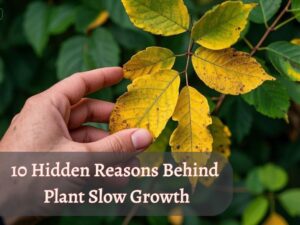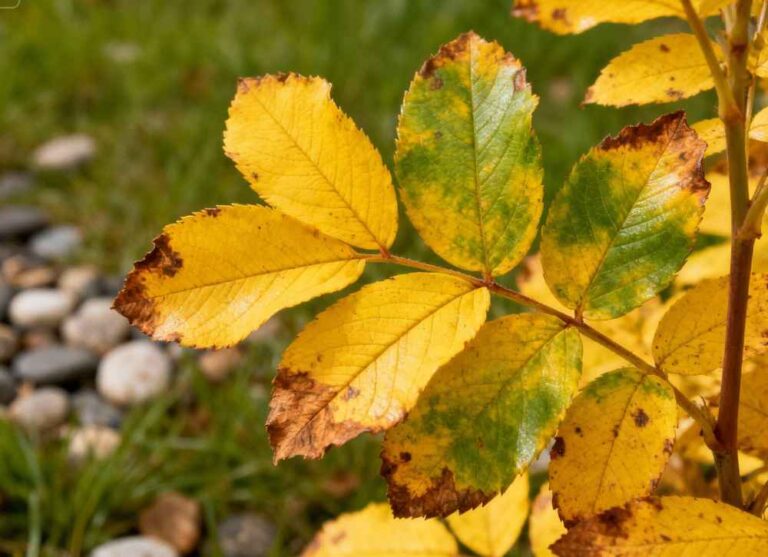
Many gardeners often find themselves asking, “Why is my plant turning yellow?” It’s one of the most common issues people face while caring for plants.
Interestingly, trees, especially deciduous trees, also change the color of their leaves as seasons shift. Depending on the variety, their leaves turn yellow or other colors and fall naturally during autumn.
But unlike trees, when your indoor plants, garden flowers, or shrubs start turning yellow outside of seasonal changes, it usually means something is wrong.
Still, not every yellow leaf is a sign of trouble. Some plants naturally shed their older leaves as part of their normal aging cycle.
So how do you know whether your plant is simply going through a natural phase, or if the yellowing is a warning sign of a deeper problem?
In this guide, we’ll explore the four main reasons why plant leaves turn yellow, the signs you should look for, and how you can fix each issue to bring your plant back to health. We’ll tackle water, light, nutrients, and pests step by step.
- When Yellowing Leaves Are Normal
- When Yellowing Leaves Are NOT Normal (Needs Immediate Attention)
- Reason #1: Improper Watering (Under/Overwatering)
- What Signs in Yellow Leaves Show It's Underwatering or Overwatering
- How to Fix the Over and Underwatering Issue to Stop Yellowing Leaves?
- Reason #2: Light Imbalance
- Why Your Plant is Turning Yellow? Role of Improper Sunlight
- How to Fix the Improper Sunlight Issue to Stop Yellowing Leaves?
- Reason #3: Nutrient Deficiency (Iron, Nitrogen, Potassium)
- How to Fix Nutrient Deficiency to Stop Yellowing Plant Leaves
- Reason #4: Pests and Disease
- Why Diseases Make Leaves Yellow?
- Signs: How to Identify if Yellowing is Due to Pests or Disease
- How to Control Pests & Diseases to Stop Yellowing Plant Leaves
- Purpose of GardenChains
Do You Know?
Leaf yellowing is called chlorosis, a scientific term for when plants lose their natural green color. It’s similar to how humans might experience anemia when there is a deficiency of essential components, such as iron, in their blood.
Just as anemia signals a health issue in humans, chlorosis indicates that a plant might be under stress. It happens because the leaves lack sufficient chlorophyll, which plants need to remain green and healthy.
When chlorophyll levels drop, photosynthesis slows, leading to yellowing leaves. The reason your plant is turning yellow will be discussed in this content.
How to Know If Yellowing Leaves Are Normal or a Warning Sign
It’s not always true that yellow leaves mean your plant is in danger. Sometimes leaf yellowing is a completely normal part of a plant’s life cycle, but sometimes it’s the first sign that something is wrong.
Until we understand why your plant is turning yellow, we can’t decide whether it’s harmless, serious, or something that needs fixing.
So let’s figure out how to identify whether your plant’s yellowing leaves are normal or a sign of an underlying issue, and what to do next to bring your plant back to health.
When Yellowing Leaves Are Normal
Yellow leaves are not always a sign of danger. In some cases, they appear as a part of the plant’s natural growth cycle. Here are the signs that show the yellowing is normal:
Signs That Yellowing Is Normal
- The plant is simply shedding old leaves to conserve energy for new growth, as deciduous trees do.
- If a leaf turns yellow over days or weeks and the rest of the plant looks healthy, it’s normal aging.
- One or two yellow leaves, especially if new leaves are growing, are completely normal.
When Yellowing Leaves Are NOT Normal (Needs Immediate Attention)
If the yellowing appears suddenly or follows a distinctive pattern, such as new leaves turning yellow or the entire plant turning yellow at once, your plant may be stressed and needs fixing.
Does the yellowing follow a pattern? Such self-checks can help you trust your observations and guide you in determining the right course of action.
Signs That Yellowing Is Abnormal
- New leaves turning yellow may indicate nutrient deficiencies, such as iron or nitrogen, or early signs of disease.
- Most of the plant turns yellow at once, often caused by overwatering, underwatering, or sudden temperature shock.
- Veins remain green, but the leaf turns yellow, a classic sign of nutrient deficiency, especially magnesium or iron.
- Additional symptoms appear, such as wilting, brown spots, pests, or overall poor plant health.
- Yellow leaves feel soft or mushy, which strongly indicates overwatering and possible root rot.
Why is My Plant Turning Yellow (4 BIG Reasons to Consider)
If, based on the above signs, you have determined that yellowing of your plant‘s leaves is an abnormality, then before moving forward to its solution, it is most important to understand the root causes, so you can take the right and effective steps.
Here are four main reasons why your plant is turning yellow. Explore each and guess which one is happening to your plants. And of course, I will mention the solution for each reason and signs to know which reason is for the yellowing of the plant’s leaves.
Reason #1: Improper Watering (Under/Overwatering)
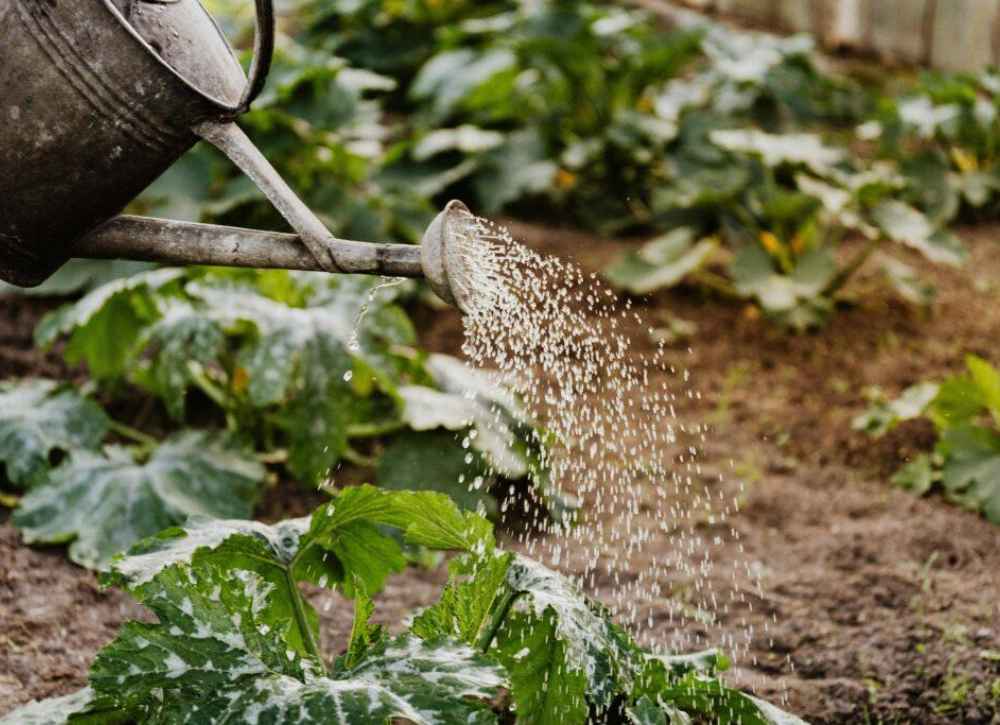
Water is essential for a plant’s survival, but giving too much or too little is one of the biggest reasons leaves turn yellow. Both underwatering and overwatering cause yellowing, but in different ways:
Overwatering:
This is the most common cause of yellow leaves. When the soil stays wet for too long, the roots don’t get enough oxygen. Without oxygen, the roots start to rot, and once they rot, they can’t absorb water or nutrients properly. And ultimately, it causes leaves to yellow.
Underwatering:
Plants need consistent moisture to stay healthy; the soil should not be too wet. If a plant receives too little water, it pulls moisture from older leaves to support new growth. And, as a result, the older leaves turn yellow and dry out.
What Signs in Yellow Leaves Show It’s Underwatering or Overwatering
Your plant’s yellow leaves tell you whether it’s getting too much water or too little. Using your senses can help you diagnose the problem more accurately. If the leaves feel leathery or limp, or if there is a musty smell coming from the soil, these are strong indicators of watering issues.
If it’s overwatered, you will Find The Following Signs on Yellow Leaves.
- The leaves look bright yellow.
- Leaves feel soft, mushy, or swollen.
- Yellowing spreads evenly across the leaf.
- Soil stays wet or muddy for several days.
- Sometimes, water droplets also appear on leaf edges.
If it’s underwatered, you will Find The Following Signs on Yellow Leaves.
- Leaves look dull yellow or brown.
- Leaves feel dry, crispy, and brittle.
- Leaves curl or shrink.
- Soil pulls away from the edges of the pot and feels completely dry.
How to Fix the Over and Underwatering Issue to Stop Yellowing Leaves?
Push your finger 2 inches into the soil.
If the soil is dry (Underwatering):
- Water the plant thoroughly until water starts draining from the bottom. If in doubt, wait a day before watering again; it’s safer to let the soil dry slightly than to overwater.
- Water regularly, but only when the top layer of soil feels dry.
If the soil is wet (Overwatering):
- Stop watering immediately and make sure the pot has proper drainage holes.
- Place the plant in a bright spot, out of direct sunlight, to help the soil dry faster.
- If the soil is extremely soggy and the plant looks weak, remove it from the pot, check the roots, and repot it in fresh, dry soil if needed.
Reason #2: Light Imbalance
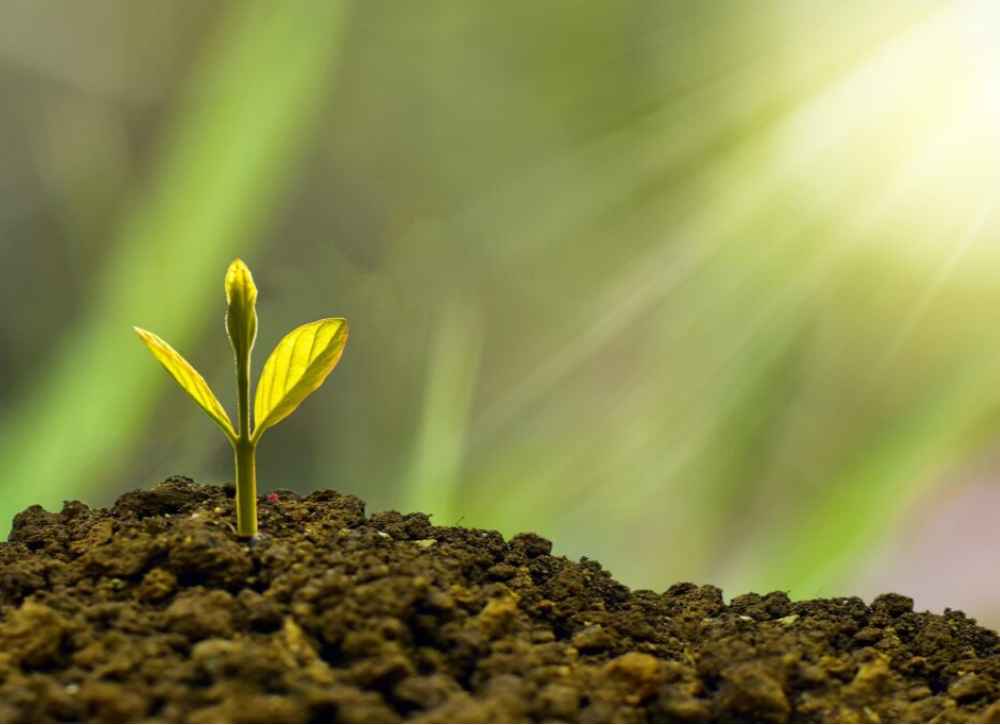
Incorrect lighting also leads to yellow leaves. Both excessive and insufficient sunlight can cause this.
For plants, sunlight isn’t a luxury; it’s the main fuel that produces chlorophyll, and chlorophyll is what keeps leaves green.
Light doesn’t just help chlorophyll formation; it also directly controls temperature:
- More light = more heat
- Less light = less heat
Both of these factors affect how quickly soil dries or stays wet… meaning light, temperature, and water are all linked.
So whenever there is a sudden change in lighting, plants react immediately, and the first sign is yellowing leaves.
Why Your Plant is Turning Yellow? Role of Improper Sunlight
In everyday situations, this lighting issue appears in many ways.
If your indoor plant was growing under grow lights, and you suddenly place it in direct sunlight, the sudden shift can be a shock, and the leaves slowly begin to yellow.
If the window faces north, so the light is weaker, the plant might not get enough sunlight, leading to yellowing.
Similarly, if you bring an outdoor plant indoors when light levels drop, chlorophyll production decreases, and the leaves start to lose their color.
Seasonal changes matter a lot, too: During winter, if daylight hours shorten and lower temperatures set in, leaves may yellow.
Meanwhile, if summer brings intense sunlight and high heat, burnt or dried leaves are common. This doesn’t happen overnight. If the plant receives unbalanced light (too much or too little) for many days or weeks, yellowing starts to appear.
Light also increases temperature, which in turn affects water use. So:
- More light → faster water evaporation → soil dries quickly → plant gets dehydrated → leaves turn yellow.
- Less light → soil stays wet for too long → roots suffocate → leaves still turn yellow.
This is why lighting issues often become watering issues; both are deeply connected.
Before diving into the signs, let’s test your knowledge: which sign do you think appears first when a plant gets too much or too little sunlight?
Signs of Excessive Light Exposure
- Leaf edges turn brown with yellow centers.
- Leaves feel crisp and dry.
- Leaves curl upward
- The leaves look faded due to insufficient chlorophyll.
Signs of Too Little Light
- Leaves turn light green → then yellow.
- Plant becomes tall, weak, or “leggy.”
- New leaves grow smaller and paler.
- The plant looks unhealthy, even after fertilization.
How to Fix the Improper Sunlight Issue to Stop Yellowing Leaves?
Here are simple fixes anyone can try at home:
If the Plant Is Getting Too Much Light / Sunburn
- Move the affected plant to a shaded spot if it is growing in a pot.
- If it must stay outdoors, use a shade net or green mesh to block harsh direct sunlight.
- In consistently hot conditions, increase watering slightly because the soil dries faster.
- Do NOT move the plant abruptly; instead, shift it gradually to avoid shock.
If the Plant Is Getting Too Little Light (Indoor Plants)
- Place the plant near a bright window, but only open it when sunlight is available, and keep tropical plants away from cold drafts.
- If natural light is still low, use a grow light for 12-14 hours.
- During winter, days are shorter, so keep the plant in a warm indoor corner and increase light exposure.
- If the plant is meant for outdoors but the weather is too cold, move it temporarily to an indoor or greenhouse spot.
Reason #3: Nutrient Deficiency (Iron, Nitrogen, Potassium)
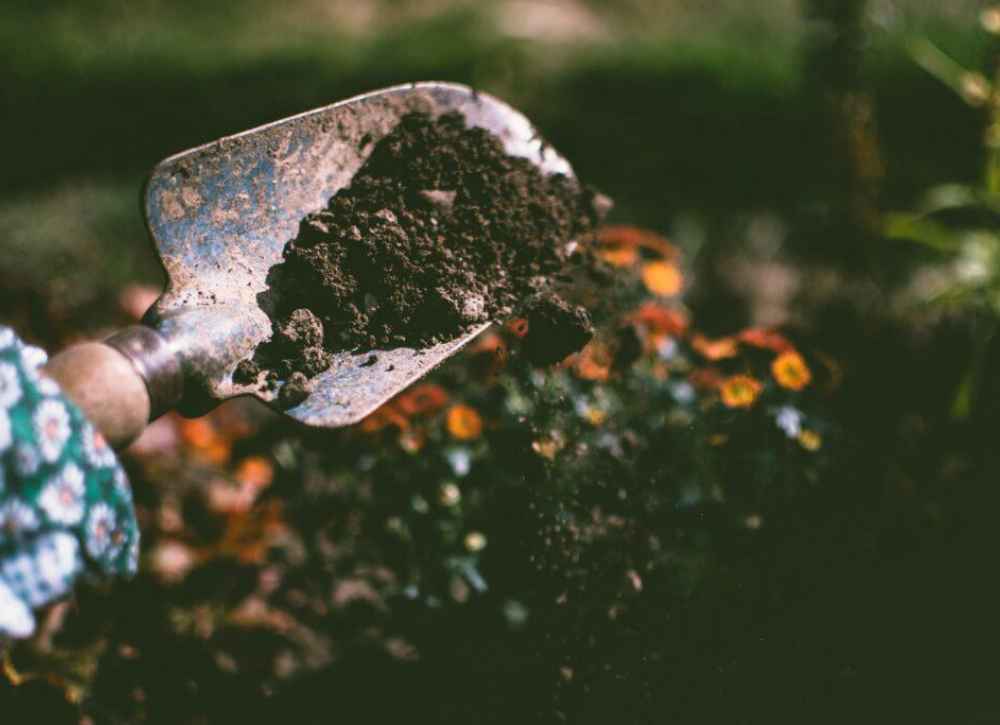
Plants require essential nutrients, such as nitrogen (N), Iron (Fe), and Potassium (K), in balanced amounts to grow, produce chlorophyll, and carry out photosynthesis.
When the soil lacks these nutrients or the plant cannot absorb them, chlorophyll production decreases, and the leaves start to turn yellow. (Nutrient Deficiencies in Plants, n.d.)
It means nutrient deficiency is also the reason why your plant is turning yellow. And the interesting part is that it often occurs alongside environmental factors, such as improper watering or changes in light, which affect the plant’s ability to absorb nutrients.
Signs That Yellowing Is Due to Nutrient Deficiency
- Yellowing spreads slowly, not suddenly.
- Leaves are soft and dull, not crispy.
- Clear contrast between veins and leaf blade.
- New leaves yellow: Iron deficiency.
- Old leaves yellow: Nitrogen deficiency.
- Burned edges: Potassium deficiency
Causes of Nutrient Deficiency That Make Your Plants Turn Yellow
If your plant’s leaves are turning yellow, nutrient deficiency might be the reason, and it usually happens due to multiple small issues working together.
Old or reused soil can lose essential nutrients, and improper watering, whether too much or too little, prevents roots from absorbing what’s already there.
Sometimes the pH becomes unsuitable, especially since nutrients like iron aren’t absorbed well in alkaline soil.
How to Fix Nutrient Deficiency to Stop Yellowing Plant Leaves
The season plays a huge role in addressing nutrient deficiencies, so your gardening plan should always align with the weather.
A practical way to boost nutrient levels is to follow a seasonal routine to prevent your plant’s leaves from turning yellow.
1) Due to nutrient deficiency, if your plant is turning yellow in Warm Seasons (Spring/ Summer);
- Provide nutrients to the soil, as plants are actively growing.
- Apply balanced fertilizers according to the plant’s need → NPK 20-20-20 or 10-10-10.
- If new leaves are turning yellow, use iron chelate, because it is a sign of iron deficiency.
- If the edges of leaves are burning, give a potassium booster.
2) Due to nutrient deficiency, if your plant is turning yellow in Winter (Late Fall to Late Winter)
- Avoid using chemical fertilizers, as plants absorb fewer nutrients, which can harm them.
- Add compost or organic matter if a deficiency is present, and keep the soil moist but not waterlogged.
- For iron deficiency, small foliar sprays can be used.
- Also, maintain other things, such as proper watering and balanced sunlight.
Reason #4: Pests and Disease
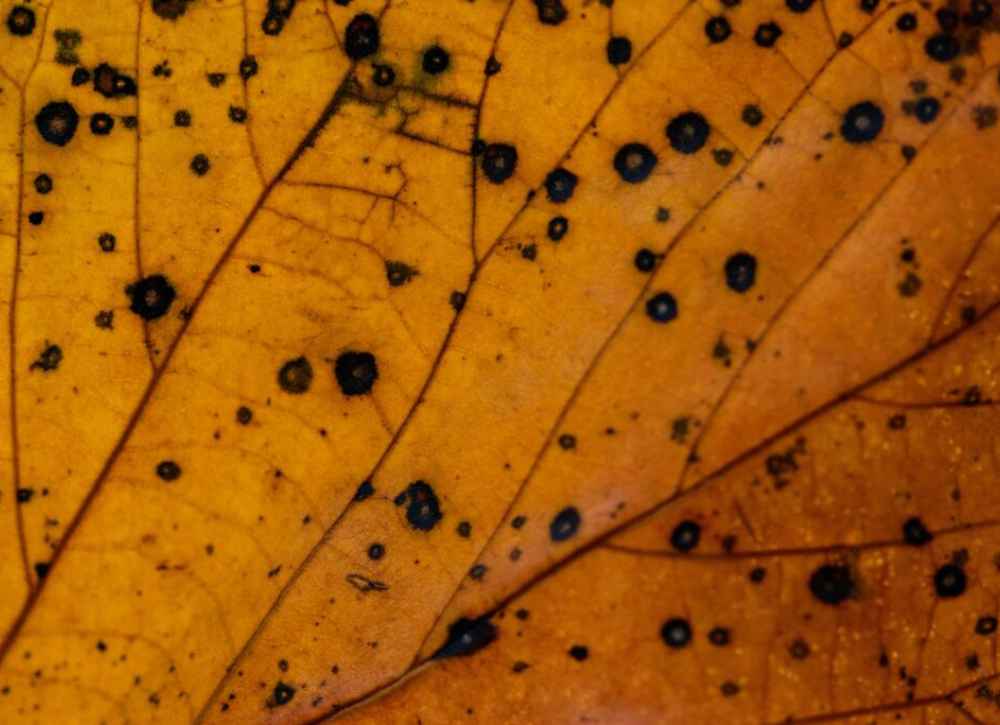
Another major reason for yellowing leaves is pests and diseases.
This problem usually appears when the plant is weak, the environment is too humid, or growing conditions are not ideal.
Both pests and diseases attack the plant’s sap, chlorophyll, and tissues, causing leaves to lose nutrients and eventually turn yellow. (Live to Plant)
Why Pests Make Leaves Yellow
Certain pests, both indoors and outdoors, are major culprits behind leaf discoloration:
1) Spider Mites
- Tiny red or black dots, often forming web-like structures under leaves.
- They suck sap from leaves, reducing chlorophyll.
- Result: Leaves turn yellow and develop spots.
2) Aphids (Greenflies)
- Small, soft-bodied insects.
- They suck sap, slowing down new growth.
- Leaves become yellow, curl, and feel sticky.
3) Scale Insects
- Appear as small brown or white bumps on leaves or stems.
- They drain the plant’s energy by sucking sap.
- Leaves gradually turn yellow, dull, and droopy.
Why Diseases Make Leaves Yellow?
1) Fungal Diseases (e.g., Leaf Spot, Root Rot, Powdery Mildew)
- Infect leaf surfaces or damage roots.
- When roots cannot absorb nutrients, leaves quickly turn yellow.
- Fungi thrive in high humidity, overwatering, or low-light conditions.
2) Viral Diseases
- Cause yellowing in mosaic patterns (patches of green and yellow).
- Affect leaf cell structure, halting growth.
- Fertilizers do not help; viruses spread quickly.
Signs: How to Identify if Yellowing is Due to Pests or Disease
If pests are the cause:
- Tiny insects are visible under leaves.
- Leaves feel sticky or shiny.
- Spider webs appear
- Small white or yellow speckles on leaves
- New leaves curl
- Leaf edges turn yellow for no other reason.
If disease is the cause:
- Yellowing with brown spots
- Mosaic pattern (green + yellow patches)
- White powder on the leaf surface
- Leaves suddenly become soft and fall off.
- Foul smell from the stem or roots
- Leaves appear infected, not just yellow.
Observing these signs helps identify whether the plant is affected by pests or disease.
How to Control Pests & Diseases to Stop Yellowing Plant Leaves
When pests or diseases are causing yellow leaves, there is no one fixed solution, because every plant and every infestation is different.
The best approach is to search for your exact problem by typing the specific pest or disease name along with your plant type.
For example, if you notice signs of spider mites, aphids, or scale insects, simply search ‘Spider mites on [your plant name]’ or ‘Aphids treatment for [plant type]’ to get the most accurate solution.
To offer readers a clear example of how to phrase their search effectively, consider typing a detailed query like ‘organic powdery mildew treatment for roses.’
This model empowers them to find credible solutions more quickly and efficiently. The same rule applies to fungal or viral diseases: search for the exact name and plant type to find the right treatment.
Purpose of GardenChains
Gardening is never generic; it’s always specific to the season, climate, and plant. That’s why GardenChains provides information according to your climate. Keep observing your plant, identify the signs correctly, apply the right solution, and consider seasonal changes.
By doing this, you can effectively control pests and diseases, and your plant will soon start growing healthy, green leaves again.
Grid

What Flowers to Plant in September in Texas?
What Vegetables Can You Plant in September in Texas?
How to Overwinter Tomato Plants? Step-by-Step Guidance
How to Protect Fig Tree in Winter?
What Planting Zone Is Montrose, Colorado?