I walked into my garden one morning and stopped. My basil looked terrible. Leaves were missing, some were yellow, and a few had spots on them.
If your basil looks like that, too, something is wrong. It could be water, disease, or even a rabbit sneaking in at night. And if you leave it, the plant will not recover.
Overwatering alone can cause root rot, and once the roots go brown and slimy, the plant is usually done for. So catching the problem early is everything.
I found out my basil had more than one issue going on at once. Moisture problems, early signs of disease, and yes, a rabbit sitting right next to my plant one evening, eating it like it was his dinner.
Rabbits will eat basil if it is easy to reach, especially when other food in the garden runs low. The good news is that most of this is fixable. You just need to know what to look for and act before it gets too far.
Why Your Basil Plant Is Struggling?
The first thing to understand is that basil is not a tough plant. It is a warm-weather herb that needs the right balance of water, sun, and airflow to stay healthy. When even one of those things is off, the plant starts to show it pretty fast.
Most people either overwater or underwater their basil without realizing it. Water is the most common reason basil has problems, because basil wants moisture, but the roots also need to breathe between waterings, and overwatering is the number one mistake people make. Too much water sitting in the soil is actually worse than letting it dry out a little.
Beyond water, diseases like downy mildew and fusarium wilt can move in quietly. Downy mildew spreads fast and can cause complete yield loss, starting on the lower leaves and moving up the plant, leaving pale yellow patches on top and velvety grey fuzz underneath. By the time most people notice it, it has already spread.
The thing that surprised me most was how fast the damage compounds. One missed watering, combined with a bit of humidity and some rabbits at night, and your plant can go from green and full to half-dead in a week. Knowing the causes early is the only way to stay ahead of it.
The Most Common Basil Problems and How to Fix Them
Yellow Leaves on Basil
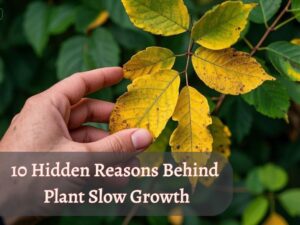
Yellow leaves on basil are almost always a water problem or a disease problem, and sometimes both at once. The tricky part is that both overwatering and underwatering can cause yellowing, so you have to look at the whole picture to figure out which one it is.
If the soil feels soggy and the stems look soft or droopy, overwatering is likely the issue. If the leaves are yellowing but the soil is bone dry, the plant is thirsty and has been for a while. Either way, the answer is to fix the watering routine and check that the pot or bed has proper drainage.
If fixing the water does not help within a few days, downy mildew might be the real issue. With downy mildew, the leaves first turn yellow and then brown, with symptoms appearing on the older leaves first, and in warm, humid conditions the fuzzy grey spores spread quickly to the rest of the plant. At that point, removing the infected plant is usually the safest move.
Brown Spots and Wilting
Brown spots are a slightly different signal than yellowing. They often point to bacterial or fungal disease, or to sunscald if the plant is getting hit with very intense afternoon sun. The spots show you where the damage is starting, but the cause is usually coming from the roots or the soil.
Fusarium, a fungal disease that enters through the roots, disturbs the water transport in the plant, causing slow growth, yellowing leaves, and decaying foliage, before eventually turning the base of the stem brown. And once a plant has fusarium wilt, there is no cure. You remove it and keep it away from the rest of the garden.
The lesson I took from this is simple. Check the stem base and the underside of the leaves regularly. Those two spots tell you a lot about what is coming before it becomes a full problem.
Rabbits Eating Your Basil
This one caught me completely off guard the first time. I assumed rabbits would not bother with basil because of the strong smell. I was wrong. A short fence made of chicken wire, with the bottom sunk into the ground, is one of the most reliable ways to keep rabbits out, because they cannot jump high but they will burrow under anything that is not secured.
Once I put up a simple wire barrier around my raised bed, the nibbling stopped almost overnight. Before the fence, I was losing fresh growth every other day without even knowing why. If your basil keeps getting shorter from the bottom up with no other sign of disease, walk out in the evening and see if something is visiting.
The other thing that helped was growing a patch of clover on the far side of the yard. Rabbits love clover even more than basil, so giving them something to go to kept them away from what I actually wanted to protect. It sounds odd, but it works.
What To Do With a Basil Plant Once It Starts Recovering
Once the main problem is handled, the next step is helping the plant come back strong. Basil actually recovers well if the conditions are right and you give it a little help. Pruning is the most important thing you can do at this stage.
Cutting back the damaged leaves and the top growth pushes the plant to grow bushier and fuller. Most people wait too long to prune because they do not want to cut the plant, but the more you trim it, the more it produces. Just cut above a leaf node and the plant will branch out from that point.
Keep harvesting regularly, make sure the soil stays moist but not wet, and put it in a spot where it gets at least six to eight hours of sun. A basil plant that was struggling a week ago can look completely different once you sort out the root issue and let it breathe.
FAQs
Why are my basil leaves turning yellow?
Usually it is a watering issue. Check if the soil is soggy or completely dry and fix that first. If the problem continues, check the underside of leaves for grey fuzz, which points to downy mildew.
Can rabbits really eat basil even with its strong smell?
Yes, they can and they do. Rabbits are opportunistic, and when they are hungry enough the smell does not stop them. A chicken wire fence sunk into the ground is the most reliable fix.
How do I know if my basil has fusarium wilt?
The plant grows normally at first, then starts wilting and browning at the base of the stem. There is no cure once it sets in, so remove the plant right away and do not grow basil in that spot for a couple of years.
Why does my basil keep getting eaten from the bottom up?
That is usually a pest or animal problem, not a disease. Check in the evening for rabbits, slugs, or insects near the base of the plant. Rabbits specifically eat lower leaves and stems first.
Should I cut off the damaged leaves or leave them?
Cut them off. Damaged and yellow leaves are not coming back, and leaving them on the plant wastes its energy. Removing them also improves airflow, which helps prevent fungal problems from spreading.