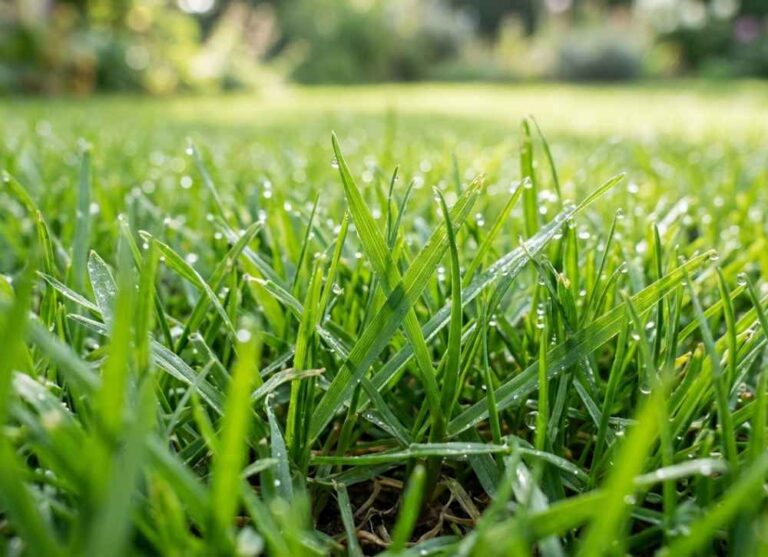
You look at your lawn in late winter and it is still brown. It has been weeks since the cold hit, and you are wondering if your grass is even alive.
That feeling is common for Texas homeowners, and the confusion usually comes from not knowing what actually triggers grass to wake up. Most people guess by the calendar, but grass does not care about the date.
The real problem is that if you start mowing, watering, or fertilizing too early, you can actually hurt a lawn that is still in recovery mode. And if you wait too long, you miss the window to give your grass the strong start it needs for summer.
According to Gecko Green, warm-season grasses like Bermuda, St. Augustine, and Zoysia begin greening up when soil temperatures consistently reach 65 to 70 degrees Fahrenheit, and in North Texas, that green-up can start as early as March or April. So watching the soil temp, not the air temp, is the real key.
The good news is that once you understand how Texas grass works through the seasons, you stop guessing. You start making better decisions, and your lawn shows it.
When Does Grass Start Growing in Texas?
Texas has two main types of grass, warm-season and cool-season, and each one wakes up at a different time. Most Texas lawns are warm-season, which means Bermuda, Zoysia, St. Augustine, and Buffalo grass, and these do not start growing until the soil warms up properly.
Warm-season grasses need the soil temperature to sit consistently at 65 degrees Fahrenheit or above before they start putting out new growth. In South Texas, that can happen as early as late February, but in North Texas it usually is not until late March or April.
Cool-season grasses like Tall Fescue and Ryegrass are different, they start growing when soil temps hit around 50 to 60 degrees, so they wake up earlier but struggle badly once Texas summer heat arrives.
If you have a warm-season lawn and you see neighbors with green grass while yours is still brown, they likely have a different grass type or a warmer microclimate.
When Does Grass Start Growing by Region in Texas?
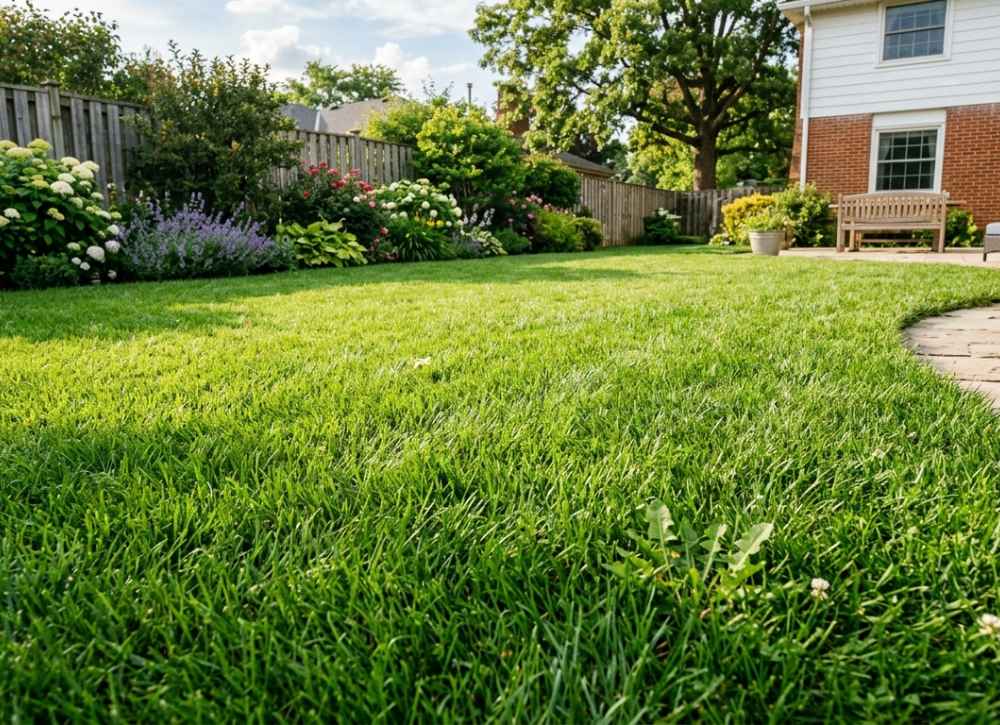
Texas is a massive state and the growing season varies a lot from one region to the next. South Texas near Corpus Christi or McAllen can see warm-season grass waking up in late February, while the Panhandle region may not see real growth until May.
Central Texas sits in a middle zone where grass generally starts growing in March, though a late cold snap can push that back by two to three weeks. In Dallas and Fort Worth, expect growth to pick up reliably in early to mid-April once nighttime temperatures stop dipping below 50 degrees.
The safest approach in any Texas region is to check soil temperature directly rather than assuming based on the air. A cheap soil thermometer takes about 30 seconds to use and saves you from wasting effort on a lawn that is not ready yet.
When Does Grass Stop Growing in Texas
Just like there is a start point, there is an end point, and knowing it helps you plan your last mow and stop wasting water on a dormant lawn.
Warm-season grasses in Texas slow down noticeably when air temperatures drop 60 degrees below and stop growing almost entirely once temperatures are consistently below 50 degrees.
According to Just Right Lawns, warm-season grasses like Bermuda, Zoysia, and St. Augustine typically enter dormancy from November through March, with the process beginning when temperatures consistently drop below 50 degrees Fahrenheit.
In Houston and San Antonio, that slowdown often does not happen until December, while northern parts of the state can see it in November.
Once growth stops, you should also stop fertilizing, scale back watering, and only mow if weeds are flowering. Continuing to push a dormant lawn with extra inputs causes more harm than good.
When Does Grass Go Dormant in Texas?
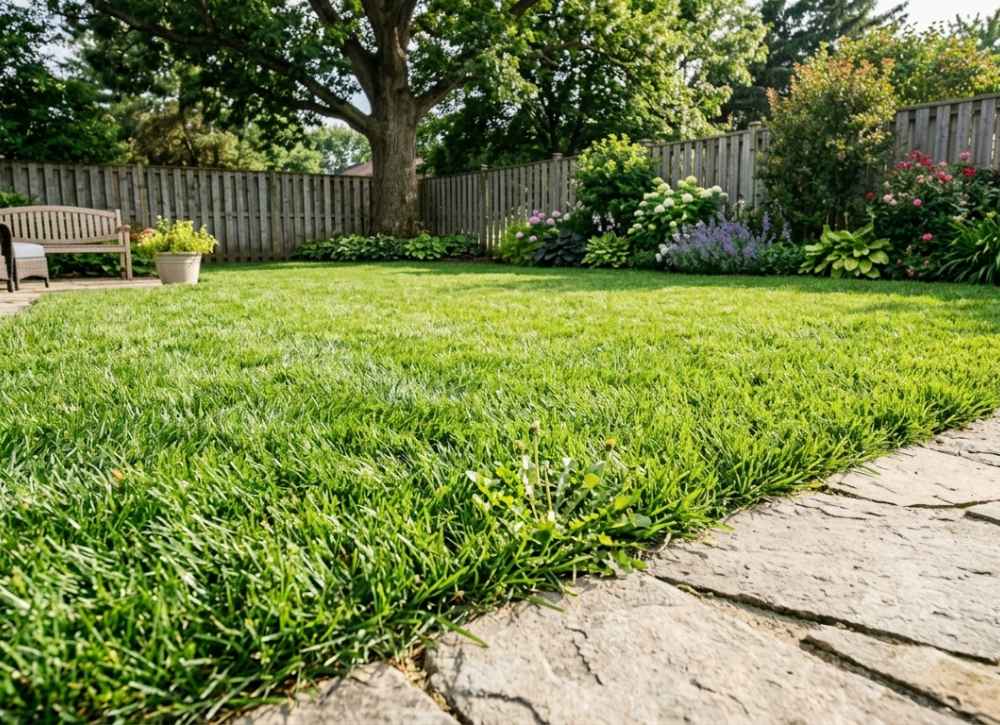
Dormancy is not the same as death, and this is the thing most homeowners get wrong. When your Bermuda or Zoysia turns tan and stops growing, it is not dead; it is protecting itself from the cold.
Lawn Rangers explains that grass goes dormant in Texas when temperatures consistently drop below 42.8 degrees Fahrenheit, and the grass enters a natural survival state where growth nearly stops but the roots stay alive underground.
This usually happens in late fall, anywhere from mid-November in North Texas to December or even January in the southern parts of the state.
The key sign to watch for is not just a color change but also a texture. A dormant lawn feels drier and crunchier underfoot. Once you see those signs consistently, you can ease off care and let the lawn rest until spring planting season comes back around.
What Affects How Fast Grass Greens Up in Spring?
Even when soil temperature hits the right number, some lawns green up faster than others. The main reason is usually how well the lawn was cared for the previous fall, a healthy lawn going into dormancy comes out of it faster.
Thatch buildup, soil compaction, and leftover debris from winter can all slow down green-up even after temperatures are right. If your lawn is slow to wake up, a light raking to remove dead material and some light watering can help the soil warm up faster and give new growth room to push through.
Fertilizing too early is a common mistake that actually delays recovery. Wait until you have mowed two or three times before applying your first round of fertilizer, which gives the grass time to show you it is actually growing and ready for nutrients.
FAQs
When does Bermuda grass start growing in Texas?
Bermuda starts greening up when soil temperatures hit 65 degrees, which is usually March in South and Central Texas and April in North Texas.
How do I know if my grass is dormant or dead?
Pull a small section out and check the roots. If roots are white or slightly tan with some give, the grass is dormant. If everything is dry, brittle, and snaps off, it may be dead.
Should I water my lawn during dormancy in Texas?
Give it a light watering once every three to four weeks during dry winters. The roots are still alive and need some moisture to survive until spring.
When should I start mowing again after winter in Texas?
Start mowing once you have visible new green growth and the grass has reached about 3 inches. Do not mow just because the calendar says spring.
Does Buffalo grass green up later than Bermuda in Texas?
Yes, Buffalo grass tends to green up later, sometimes two to three weeks behind Bermuda, because it needs slightly warmer and more sustained soil temperatures to break dormancy.
Explore More Texas Gardening Guides
Texas Planting Zones by Region & City
| Statewide overview of Texas planting zones | Warm, tropical South Texas zones |
| Cold-snap prone North Texas zone | Humid, mild East Texas zone |
| Arid, alkaline West Texas zone | Transitional Central Texas zone |
| Zone guide for Dallas | Zone guide for Fort Worth |
| Zone guide for Houston | Zone guide for San Antonio |
| Zone guide for Austin | Full Texas growing season & frost dates |
Growing a Lawn in Texas
| Full guide to planting grass in Texas | Choosing the best grass for Texas |
| When to plant Bermuda grass | When to plant St. Augustine grass |
| When to plant Zoysia grass | When to plant Buffalo grass |
| When to plant rye grass | When grass starts growing in Texas |
| How often to water grass in Texas | When to fertilize grass in Texas |
| How to get rid of grass burrs |
Fruit Trees & Peaches in Texas
| The top fruit trees for Texas | When to plant peach seeds in Texas |
| When to plant a pear tree in Texas | When to plant fig tree cuttings in Texas |
| When peach season hits Fredericksburg | When to plant loquat seeds in Texas |
Vegetables & Herbs in Texas
| When to plant tomatoes in Texas | How often to water tomatoes in Texas |
| Is it too late to seed tomatoes in zone 9a? | When to plant lettuce in Texas |
Growing Garlic in Texas
| Full guide: when to plant garlic in Texas | Can you plant garlic in spring in Texas? |
| When to harvest garlic in Texas |