Most Texas homeowners plant whatever grass looks good at the store, then wonder why it turns brown by July. The problem is not your effort; it is your timing and your grass choice.
Texas heat is intense, and the wrong grass simply cannot survive it. The good news is that once you know which grass fits your soil and your region, growing a healthy lawn becomes a lot simpler.
If you skip this step and just throw down any seed, you waste money, water, and weeks of your time. A lawn that fails to establish properly becomes a weed bed fast, and fixing that costs more than doing it right the first time.
According to Lawn Love, the ideal time to plant grass seed in Texas depends heavily on the type of grass you choose, and getting the timing wrong can set your whole lawn back an entire season. So before you buy a single bag of seed, take a few minutes to match your grass to your climate, your soil, and your sunlight.
Texas is a big state with very different climates from north to south. What thrives in Dallas can struggle in Houston. The right grass saves you water bills, mowing time, and a lot of frustration.
Which Grass Is Best for Texas?
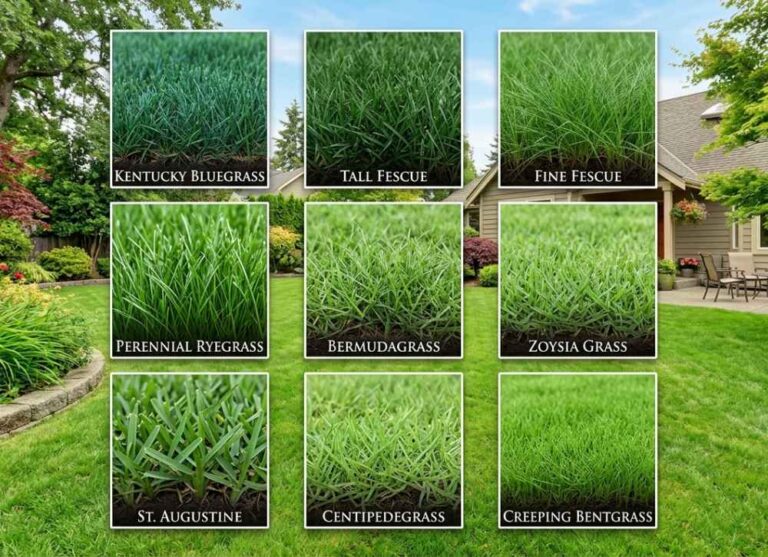
Texas lawns need grasses that can take heat, dry spells, and heavy clay soils. Bermuda, Zoysia, St. Augustine, and Buffalo grass are the four most common picks, and each one has a specific reason to choose it.
Choosing the correct grass type influences nearly every part of lawn maintenance, from water usage to pest resistance, and the right match can actually pay for itself through lower upkeep over time.
Bermuda is the most popular across the state because it handles drought well and bounces back fast after mowing. Zoysia is a great middle-ground choice, dense enough to fight off weeds and flexible enough to handle both sun and some shade.
St. Augustine is the pick if your yard gets partial shade and you want that thick, dark green look. Buffalo grass is best if you live west of Houston and want the most low-maintenance lawn possible.
What Grass Grows Best in Texas?
The most reliable performer across almost all Texas regions is Bermuda grass. It roots deep, handles foot traffic, and stays green through the hottest months without needing constant water.
TifTuf Bermuda is one of the most drought-tolerant options available, using 38% less water than older Bermuda varieties, which makes it a smart choice for water-conscious homeowners in Austin and San Antonio.
If your yard gets full sun, Bermuda is almost always the right call. For shadier spots, Zoysia or St. Augustine will outperform Bermuda every time because Bermuda thins out badly without good sunlight.
The key is to match the grass to the actual conditions in your yard, not just what your neighbor has. Walk your yard at different times of day and note where the sun hits and where it does not.
What Grass Grows in Shade in Texas?
Shade is one of the hardest problems to solve in a Texas lawn. Most warm-season grasses need six or more hours of direct sun, and anything less will cause them to thin out and invite weeds.
Zeon Zoysia requires as little as three hours of direct sunlight per day, making it the best shade-tolerant option among both St. Augustine and Zoysia varieties. St. Augustine, especially the Palmetto variety, is the second-best shade option and handles moderate shade better than almost any other warm-season grass.
If your yard is under heavy tree cover with almost no direct sun, Fescue or Kentucky Bluegrass can work, but they will struggle in the summer heat and need reseeding in their early years.
The biggest mistake people make in shaded areas is overwatering to compensate. Shaded grass needs less water, not more, and too much moisture causes root rot and fungal issues.
What Grass Stays Green All Year in Texas?
This is where homeowners have to be honest with themselves. Most warm-season Texas grasses go dormant and turn brown in winter. That is normal and not a sign something is wrong.
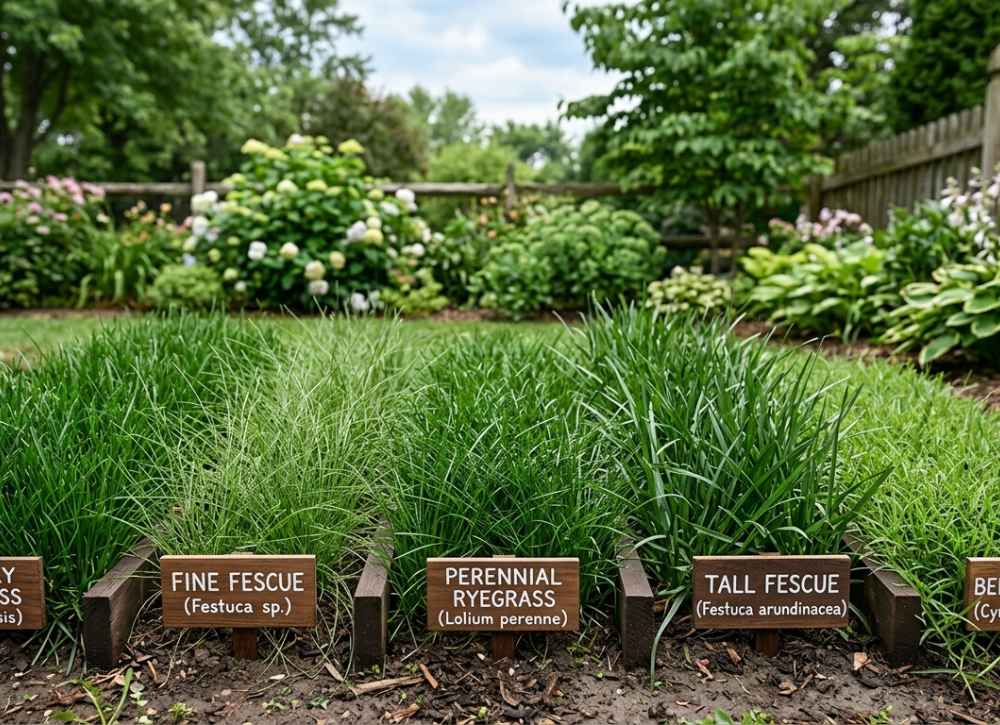
If you want year-round green, your two real options are cool-season grasses like Tall Fescue, which stay green in winter but struggle in Texas summers, or you can overseed your Bermuda lawn with Perennial Ryegrass in the fall.
You will need around 5 to 10 pounds of seed per 1,000 square feet to keep your lawn looking lush through the cold months. Ryegrass germinates fast and gives you green coverage while your Bermuda is dormant, then fades out naturally as the Bermuda wakes up in spring.
Just know that ryegrass will slow down your Bermuda’s spring recovery if it lingers too long. Watch the temperatures, and plan to let it die off naturally once the weather warms.
When to Plant Buffalo Grass Seed in Texas?
Buffalo grass is one of the few grasses truly native to Texas, and knowing when to plant buffalo grass seed in Texas is the single most important step to getting it established. Plant it at the wrong time and you will wait all season for seeds that never sprout.
The best window to plant Buffalo grass seed in Texas is between April and June, when soil temperatures sit consistently between 60 and 80 degrees Fahrenheit, and April and May are generally your safest bets for optimal growing conditions.
The soil temperature matters more than the calendar date, so use a soil thermometer before you plant. North Texas warms up a few weeks later than South or Central Texas, so adjust your timing based on your location.
One thing most people do not know is that treated seed makes a huge difference in results. Treated Buffalo grass seed has a germination rate of 80 to 90 percent, while untreated seed may only germinate at around 20 percent, making treated seed the clear choice for summer plantings.
Buffalo grass is slow to sprout, taking 15 to 30 days in most cases, so do not panic if nothing appears in the first two weeks. Keep the soil lightly moist and give it time.
Once established, Buffalo grass is incredibly low-maintenance, needing little water, rare fertilizing, and minimal mowing. It goes dormant and turns tan in winter, then greens back up in spring without you doing anything.
What Type of Grass Do I Have in Texas?
F
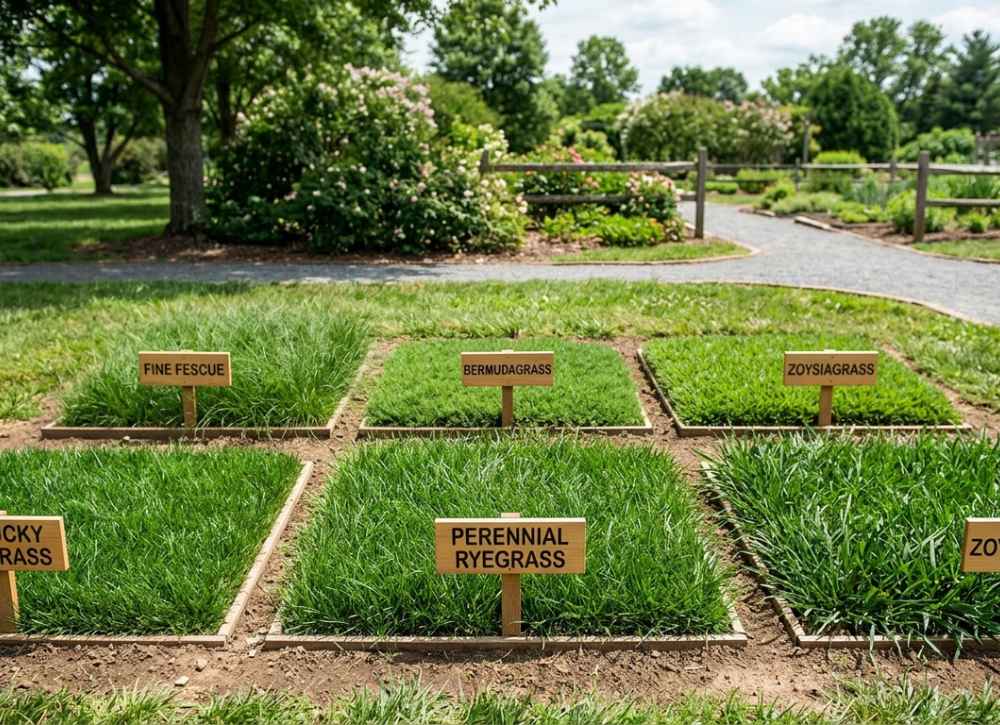
iguring out your current grass type is easier than it sounds if you know what to look for. The main things to check are blade width, color, how it spreads, and how it behaves in heat and shade.
Bermuda has a fine, narrow blade and spreads aggressively by runners. It turns tan in winter and comes back strong in spring. St. Augustine has wide, flat blades with a dark green color and spreads by thick surface runners called stolons.
Zoysia has a medium to fine blade, grows slowly, and feels dense and almost carpet-like underfoot. Buffalo grass has a softer, thinner blade with a blue-green tint and rarely grows taller than six to eight inches without mowing.
If you still cannot tell, take a small sample to your local Texas A&M AgriLife Extension office. They can identify it for free and give you care advice specific to your area.
FAQs
Can I plant Buffalo grass seed in fall in Texas?
You can, but use untreated seed and expect it to sit dormant until spring. It will not germinate until soil temperatures warm up again.
Does Buffalo grass grow in East Texas?
No, it is not a good fit there. Sandy soil and heavy rainfall make it hard for Buffalo grass to establish and survive.
What is the easiest grass to grow in Texas?
Bermuda grass is the most forgiving choice. It recovers fast from heat and drought and handles foot traffic better than most others.
How often should I water new Buffalo grass seed?
Water daily in the first week, then every other day in week two. Cut back gradually as seedlings start to grow.
Does Zoysia go dormant in Texas winters?
Yes, it turns a straw color in winter but greens back up reliably in spring, usually earlier than most other warm-season grasses.
Explore More Texas Gardening Guides
Texas Planting Zones by Region & City
| Statewide overview of Texas planting zones | Warm, tropical South Texas zones |
| Cold-snap prone North Texas zone | Humid, mild East Texas zone |
| Arid, alkaline West Texas zone | Transitional Central Texas zone |
| Zone guide for Dallas | Zone guide for Fort Worth |
| Zone guide for Houston | Zone guide for San Antonio |
| Zone guide for Austin | Full Texas growing season & frost dates |
Growing a Lawn in Texas
| Full guide to planting grass in Texas | Choosing the best grass for Texas |
| When to plant Bermuda grass | When to plant St. Augustine grass |
| When to plant Zoysia grass | When to plant Buffalo grass |
| When to plant rye grass | When grass starts growing in Texas |
| How often to water grass in Texas | When to fertilize grass in Texas |
| How to get rid of grass burrs |
Fruit Trees & Peaches in Texas
| The top fruit trees for Texas | When to plant peach seeds in Texas |
| When to plant a pear tree in Texas | When to plant fig tree cuttings in Texas |
| When peach season hits Fredericksburg | When to plant loquat seeds in Texas |
Vegetables & Herbs in Texas
| When to plant tomatoes in Texas | How often to water tomatoes in Texas |
| Is it too late to seed tomatoes in zone 9a? | When to plant lettuce in Texas |
Growing Garlic in Texas
| Full guide: when to plant garlic in Texas | Can you plant garlic in spring in Texas? |
| When to harvest garlic in Texas |