


Most Texas homeowners watch their lawn turn brown in fall and feel helpless about it. You want a green yard through winter, but your Bermuda grass just goes dormant and leaves you with a patchy, dull mess. The good news is that ryegrass is the fix, and timing is everything.
If you plant too early, it fights with your existing grass for water and nutrients. Plant too late, and it never grows properly before the cold hits, leaving you with bare spots all winter long.
You should overseed ryegrass at least 30 days before the first frost, when nighttime lows are above 50°F and daytime highs are near 70°F, which for most of Texas means October and early November. According to Archer Lawns, getting this window right is what separates a thick green lawn from a patchy disappointment.
Texas is a big state, and the planting window shifts depending on where you live. Knowing when to plant rye grass in Texas the right way keeps your lawn green all winter without hurting your warm-season grass. Once you understand your region, the whole process becomes much simpler and less stressful.
- When To Plant Rye Grass In North Texas?
- When To Plant Rye Grass In East Texas?
- When To Plant Rye Grass In West Texas?
- When To Plant Rye Grass In South Texas?
- What happens if I plant ryegrass too late in Texas?
- How often should I water ryegrass after planting?
- Can I plant ryegrass over my existing Bermuda grass?
- What is the best ryegrass variety for Texas?
- Will ryegrass hurt my Bermuda grass in spring?
- Explore More Texas Gardening Guides
When To Plant Rye Grass In North Texas?
North Texas cools down faster than the rest of the state, so waiting too long is the biggest mistake you can make here. For the DFW and Panhandle areas, the ideal planting window runs from September 25 through October 16, with soil temperatures between 50 and 60°F. Miss that window, and your seed sits in cold soil with too little time to root.
Freeze-hardy varieties like TAM 90 or Jackson work best in this region because they can handle sudden temperature drops. In Dallas, soil temperatures hit around 60°F near November 1st, so the earlier you plant in that window, the better your germination results.
If you plant after mid-October in North Texas, the grass may still sprout, but it will be thin and weak going into winter. Thin ryegrass gives weeds an easy opening and leaves your Bermuda lawn with poor protection through the coldest months.
When To Plant Rye Grass In East Texas?
East Texas has more humidity and rainfall than most of the state, which is both a benefit and a risk for ryegrass. The sweet spot for East Texas, including areas like Tyler and Lufkin, is October 1 through October 20, with soil temperatures sitting around 55 to 60°F. That moisture helps seeds germinate faster, but it also creates conditions where fungal disease can spread quickly.
Rust-resistant varieties like Jackson work well in East Texas, and you should adjust your irrigation to avoid soggy soil, since a brief drying period between waterings helps control fungal growth. Watering too much in a humid climate causes the seeds to rot before they even get a chance to sprout.
When To Plant Rye Grass In West Texas?
West Texas is drier and colder than people expect, and the soil cools down fast once fall hits. Because cold fronts arrive early, West Texas needs the earliest start of any region, with planting running from late August through September 30 when soil temperatures are between 50 and 55°F. Waiting until October in this region is often too late.
Drought-tolerant varieties like TAM 90 or Winterhawk are better suited to this region because rainfall is limited and wind dries the soil quickly. Due to limited rainfall and wind exposure, many West Texas homeowners consider overseeding only smaller lawn areas, or explore native alternatives like buffalograss for larger spaces.
When To Plant Rye Grass In South Texas?
South Texas stays warm much longer than the rest of the state, which gives you a wider and more forgiving planting window. For southern and coastal areas like Houston, Corpus Christi, and McAllen, the best time to plant runs from October 25 through November 22, with soil temperatures between 60 and 65°F. You have time on your side here, but that does not mean you should wait until the last minute.
In South Texas, St. Augustine grass stays green and growing through most of the winter unless there is a hard freeze below 20°F, so ryegrass overseeding is more of a choice than a necessity in some areas. If you do overseed, rust-resistant varieties like Jackson, Nelson, or FrostProof handle the humidity and mild winters of this region best.
When To Plant Winter Rye Grass In Texas?
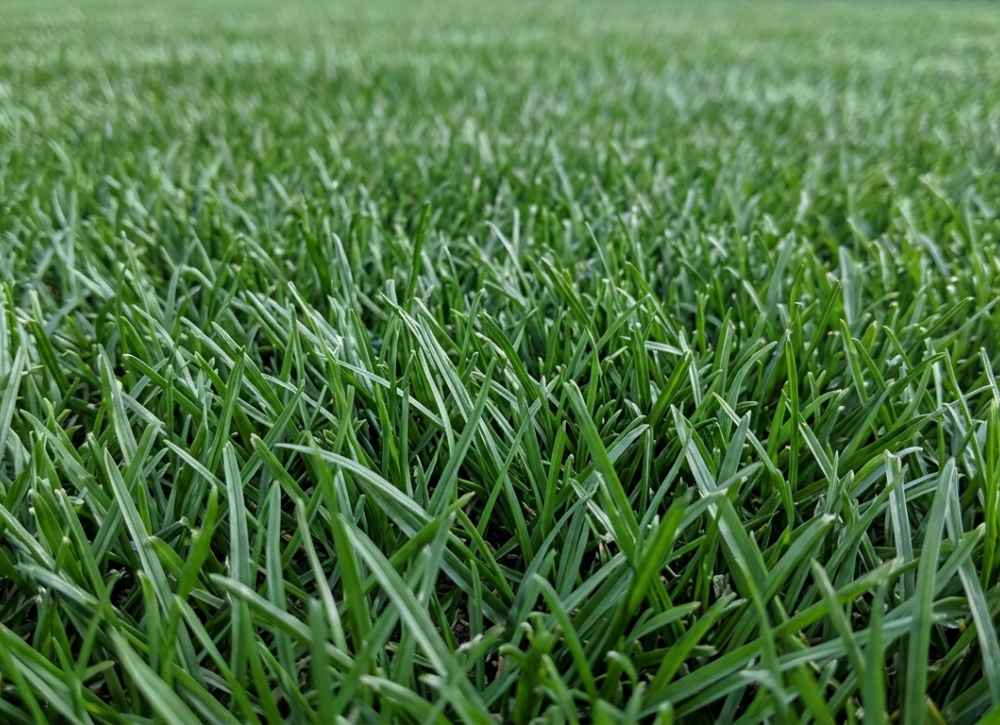
Winter ryegrass is not the same as just throwing seed down in October and hoping for the best. It is a planned process that protects your warm-season lawn, keeps your yard looking good, and actually feeds your soil when it dies off in spring. Winter ryegrass is planted in fall, just before winter sets in, and when it is cut and tilled after winter, it provides natural nutrients back into the soil.
According to Texas A&M AgriLife Extension, six weeks before your area’s average frost date is the ideal window to plant winter ryegrass, since waiting past the frost date reduces your forage and lawn yield significantly. That research-backed timing applies whether you are overseeding a home lawn or managing pasture land.
The most common mistake is planting after the first cold snap, thinking you still have time. By then, the soil is cooling fast and the seed simply does not have enough warmth to root properly, leaving you with thin coverage that does not last through January. If ryegrass is sown too late, it will not have enough time to mature before winter and the shortening of the days fully sets in.
Once it is established, winter ryegrass takes care of itself through the cold months with moderate watering and basic fertilizing. The real job is picking the right week in fall, not scrambling to fix a bad stand in December.
FAQs
What happens if I plant ryegrass too late in Texas?
The seed sits in cold soil and either sprouts very slowly or does not sprout at all. You end up with a thin, patchy lawn that offers no real protection to your Bermuda grass underneath.
How often should I water ryegrass after planting?
Water lightly two to three times a day until the seeds germinate. After that, once or twice a week is enough, and you can read more about how often to water grass in Texas to stay on track.
Can I plant ryegrass over my existing Bermuda grass?
Yes, and that is actually the most common way to use it in Texas. Just scalp your Bermuda short before seeding so the ryegrass seed makes good contact with the soil.
What is the best ryegrass variety for Texas?
It depends on your region. TAM 90 works well in North and West Texas, while Jackson and Nelson are better choices for East and South Texas due to their rust resistance in humid conditions.
Will ryegrass hurt my Bermuda grass in spring?
It can slow Bermuda’s recovery if it hangs on too long. Lower your mowing height gradually in spring to thin out the ryegrass and give your Bermuda room to come back strong. You can also check when to fertilize grass in Texas to help your Bermuda bounce back faster.
Explore More Texas Gardening Guides
Texas Planting Zones by Region & City
| Statewide overview of Texas planting zones | Warm, tropical South Texas zones |
| Cold-snap prone North Texas zone | Humid, mild East Texas zone |
| Arid, alkaline West Texas zone | Transitional Central Texas zone |
| Zone guide for Dallas | Zone guide for Fort Worth |
| Zone guide for Houston | Zone guide for San Antonio |
| Zone guide for Austin | Full Texas growing season & frost dates |
Growing a Lawn in Texas
| Full guide to planting grass in Texas | Choosing the best grass for Texas |
| When to plant Bermuda grass | When to plant St. Augustine grass |
| When to plant Zoysia grass | When to plant Buffalo grass |
| When to plant rye grass | When grass starts growing in Texas |
| How often to water grass in Texas | When to fertilize grass in Texas |
| How to get rid of grass burrs |
Fruit Trees & Peaches in Texas
| The top fruit trees for Texas | When to plant peach seeds in Texas |
| When to plant a pear tree in Texas | When to plant fig tree cuttings in Texas |
| When peach season hits Fredericksburg | When to plant loquat seeds in Texas |
Vegetables & Herbs in Texas
| When to plant tomatoes in Texas | How often to water tomatoes in Texas |
| Is it too late to seed tomatoes in zone 9a? | When to plant lettuce in Texas |
Growing Garlic in Texas
| Full guide: when to plant garlic in Texas | Can you plant garlic in spring in Texas? |
| When to harvest garlic in Texas |


