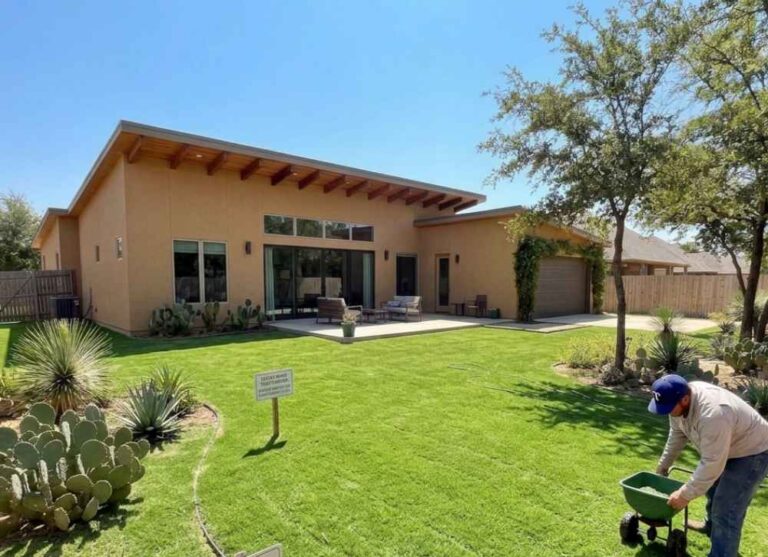
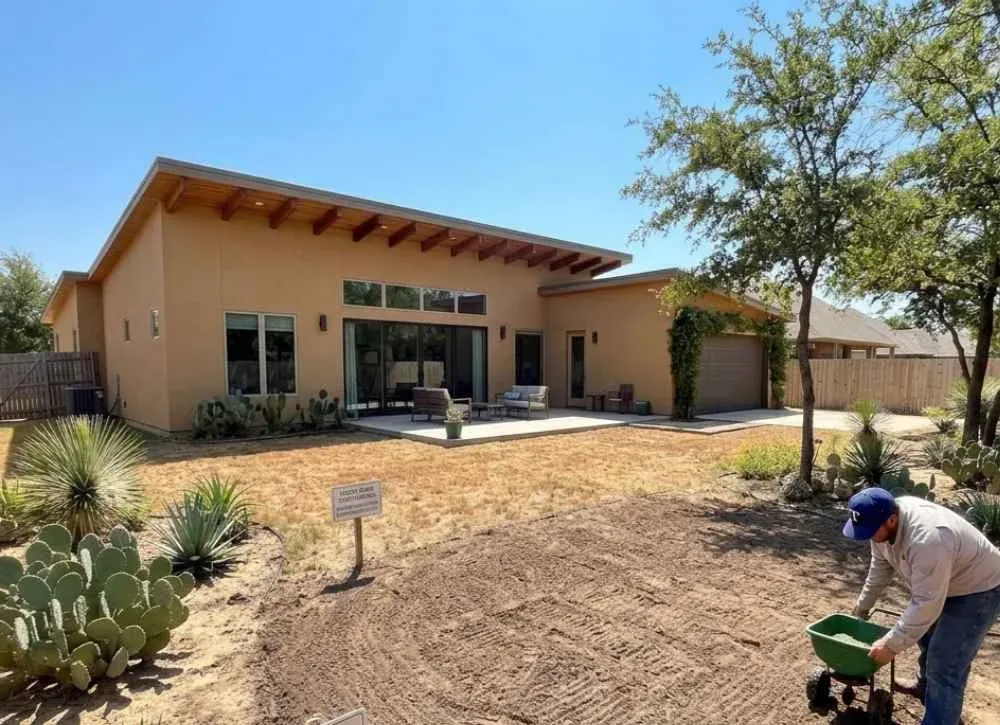
To plant grass in Texas, match your grass type and planting time to your region. Warm season grasses like Bermuda, Zoysia, and Buffalo grass go down in late spring once soil temperatures hold steady between 65 and 70°F, while cool season grasses are seeded in fall. Test and loosen your soil first, spread the seed evenly, cover it lightly, and keep the top layer moist until it germinates in 7 to 14 days.
A lot of Texans try planting grass and end up with patchy, burnt, or dead lawns. It is not always their fault. Texas heat is brutal, and the soil in different regions is completely different.
Plant the wrong grass at the wrong time, and you lose weeks of effort and money without a single green blade to show for it. The real problem is that most guides treat Texas like one place.
Texas is vast. The climate runs from humid subtropical in the east to near desert in the west, and each zone brings its own challenge. What works in East Texas will fail in West Texas, and the other way around. Ignoring that is the number one reason lawns fail here.
Once you know your region, your soil, and your timing, the whole thing gets simple. This guide breaks it down by region so you follow the right path from day one.
Texas Grass Planting Calendar by Region
Use this as your quick reference, then read your region’s section below for the details.
| Region | Climate | Best Grasses | Planting Window |
|---|---|---|---|
| East Texas | Humid subtropical, acidic sandy soil | Centipede, St. Augustine | Warm season from late March (soil above 60°F) |
| West Texas | Arid, alkaline caliche soil | Buffalo grass, blue grama | Short windows in spring and fall (April, September) |
| North Texas | Cold snaps, dense clay soil | Bermuda, Buffalo grass | Warm season late April into May (soil above 70°F) |
| South Texas | Warmest winters, Gulf humidity | St. Augustine, Bermuda | Earliest start, warm season from January in far south |
The general rule is that warm season grasses do best planted between January 1 and May 20, and cool season grasses thrive planted around November 1. Timing sits inside the bigger question of when the best time to plant grass in your area really is, since soil temperature, not the calendar, makes the final call.
Why Texas Is Not One Growing Zone
Your location is the biggest factor in choosing the right seed and the right planting date. Plant too early or too late and your seeds either freeze or cook before they can root.
Texas spans several planting zones and frost dates, and each one has a sweet spot. Before you buy seed, confirm which planting zone your part of Texas falls in, because that single detail decides both your grass type and your timing. It is the same regional logic that shapes when to plant almost anything in Texas, from lawns to trees.
If you are in or near a major metro, your zone gets even more specific. Check the exact zone for Dallas, Fort Worth, Houston, San Antonio, Austin, or Central Texas before you plan your planting date.
The 5 Best Grasses for Texas
Not every grass grows well everywhere in the state. These five cover almost every Texas lawn, and picking the right one for your region and conditions matters more than anything else you do.
| Grass | Best For | Where It Shines |
|---|---|---|
| Bermuda grass | Full sun, high traffic | Most of Texas, fast to establish |
| St. Augustine | Shade, humidity | Gulf Coast and South Texas |
| Zoysia | Partial shade | Central and North Texas |
| Buffalo grass | Drought, low water | West and Central Texas |
| Centipede grass | Low maintenance | Acidic East Texas soil |
Get this wrong from the start and it will not matter how well you do everything else. The results will disappoint you. If you want a winter lawn, rye grass is the usual overseed choice for keeping color through the cooler months.
How to Plant Grass in Texas: 5 Steps
Step 1: Pick the Right Grass for Your Region
Start with the grass that fits your sun, soil, and region, using the table above. This one decision shapes every result that follows.
Step 2: Test and Prepare Your Soil
Before you touch a seed, check what you are working with. A soil test shows your pH, nutrient gaps, and compaction. Clay heavy soils usually need aeration, while sandy soils benefit from added organic matter to hold moisture. Getting the moisture balance right matters from day one, so it helps to understand the difference between moist and wet soil before you start watering. If your pH is off, an amendment like calcium carbonate can help balance the soil. Skipping this step is like building on a weak foundation.
Step 3: Loosen and Clean the Ground
Loosen the top 2 to 3 inches, clear out debris, and break up clumps so water and nutrients pass through easily. Think of it as clearing a runway for the roots. Hard, compacted soil blocks root growth and gives you weak, patchy grass that dies at the first real heat.
Step 4: Spread the Seeds Evenly
This is where most beginners slip. Scatter by hand or use a spreader for even coverage, then rake the seed in and roll the surface. Do not bury the seed deeper than a quarter inch. Uneven spreading leaves thick clumps in some spots and bare dirt in others, which looks worse than no grass at all. If your seed keeps surfacing, here is why seeds pop out of the soil and how to fix it.
Step 5: Cover and Protect the Seeds
Cover the new seed with a thin layer of weed free straw. This holds moisture in the top layer where seeds need it during germination, and it shields them from wind and drying out.
When to Plant Grass in Texas by Region
Texas does not follow one planting calendar, so this is where regional timing earns its place.
East Texas
East Texas gets more rainfall than anywhere else in the state, which is both a blessing and a challenge. The humid subtropical climate and steady moisture make it ideal for earlier spring planting, often from late March once soil temperatures climb above 60°F. The catch is disease. High rainfall invites fungal growth, so pick a disease resistant variety and do not skip the soil test. The acidic soils in this region also need regular fertilizer to stay healthy.
West Texas
West Texas is the toughest zone in the state. Aim for spring and fall, since the long, hot summers are simply too much for seeds to germinate. Those windows are short, sometimes only a few weeks in April or again in September. Choose drought resistant grasses like Buffalo grass or blue grama, and counter the alkaline caliche soil by adding sulfur to lower pH and compost to hold water. In this part of Texas, those amendments are not optional. They are what separates a living lawn from dead dirt.
North Texas
North Texas sees cold snaps that most of the state does not. Warm season grasses need soil above 70°F to germinate reliably, which usually lines up with late April into May. This is also the one region where cool season grasses can work year round for a winter lawn. The dense DFW clay drains poorly and warms slowly, so prioritize core aeration, proper grading, and patience before you set your planting date.
South Texas
South Texas has the warmest winters and the longest planting window. In cities like McAllen or Corpus Christi, soil can hold near 65°F even in January, so you can start warm season grass earlier than anywhere else in the state. The trade off is year round heat and humidity. St. Augustine handles it well, but along the Gulf Coast in this region you also need to watch for salt exposure and chinch bugs, which get aggressive in summer.
Region Specific Planting Tips
These are not generic tips. They are specific to what actually matters on the ground in each part of Texas.
East Texas: The Piney Woods soil is acidic and sandy, which most grasses dislike but Centipede loves. Do not waste money on Bermuda sod under mature tree cover, since St. Augustine handles partial shade far better. Install French drains if your yard holds water after storms, because standing water is one of the fastest ways to kill a new lawn here.
West Texas: Mix in organic matter like compost or manure to speed germination. In El Paso and Midland the soil is highly alkaline and almost sandy, so without this step seeds struggle to hold moisture. Water deeply but less often, since shallow watering just evaporates before it helps.
North Texas: DFW clay cracks in summer and turns to mud in winter. Core aeration in spring before planting makes a real difference. Bermuda and Buffalo grass handle this clay best. Apply pre emergent herbicide in late February before soil hits 65°F to stop weeds from crowding out new seed.
South Texas: Near the Gulf, too much moisture invites fungal disease and chinch bugs, so water deeply but only a few times a week once established. In coastal areas, choose salt tolerant varieties, because regular St. Augustine thins out fast under steady salt spray.
After Planting: Water and Feed the Right Way
New grass lives or dies on watering. Keep the top layer moist during germination, then shift to deeper, less frequent watering as roots establish. Our full guide on how often to water grass in Texas walks through the schedule by season, and it pairs with knowing the signs your lawn actually needs water instead of watering on habit. Watch out for the signs of overwatering too, since soggy ground is as damaging to new grass as drought.
Once the grass is growing, feeding keeps it thick enough to crowd out weeds. Time it with our guide on when to fertilize grass in Texas, and if you are watching the calendar for that first flush of spring color, here is when grass starts growing in Texas. If burrs are a recurring problem in your yard, this guide on getting rid of grass burrs in Texas helps, and if patches still turn pale, here is why grass and plants turn yellow and how to fix it.
FAQs
Bermuda grass is the easiest starting point for most of Texas. It is heat tolerant, grows fast, and recovers quickly from damage, which makes it forgiving for first timers.
It depends on the region. In South Texas, early summer can work for warm season grasses with consistent watering. In most of Texas, though, summer heat is too intense for new seed to survive without serious irrigation.
Most warm season grasses germinate in 7 to 14 days, but a full, established lawn takes 6 to 8 weeks to fill in properly.
Yes, especially in West Texas with alkaline soil and East Texas with acidic soil. Planting without knowing your pH often leads to yellow, weak grass that will not recover no matter how much you water.
Seeds either fail to germinate in cold soil or dry out and die in peak heat. You end up with patchy results or no growth at all, and you have to start over.