

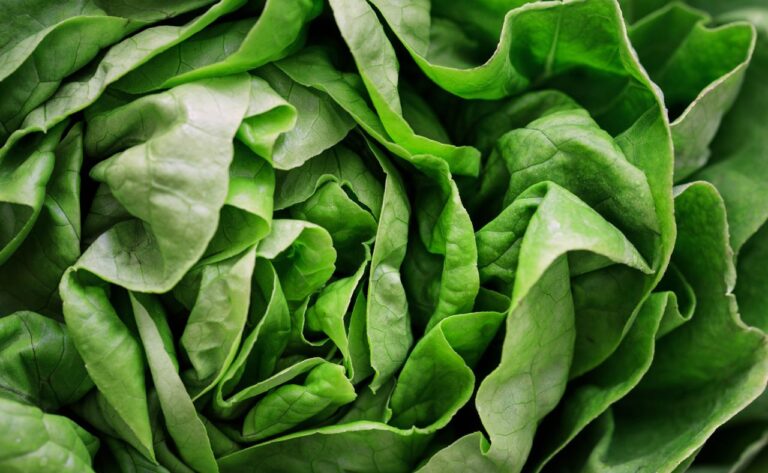
Lettuce is one of the few crops that actually prefers Colorado’s cool shoulder seasons over the hot summers that most other vegetables crave. While tomato growers are fighting frost dates, lettuce growers are already harvesting.
The catch is timing. Lettuce bolts, sending up a flower stalk and turning bitter, once temperatures consistently exceed 75°F. That gives Colorado gardeners two distinct windows: one in spring before heat arrives, and one in late summer and fall as heat fades.
If you have grown lettuce in other states, the timing is different here. The guides for planting lettuce in Texas, Florida, or Georgia operate on entirely different calendars because of their warmer climates. Colorado’s altitude and temperature extremes create their own set of rules.
When to Plant Lettuce in Colorado?
Lettuce can go in the ground as early as late March through April for spring harvest, and again in late August through September for fall harvest. If you have ever wondered can you grow lettuce in the summer, the answer in Colorado is difficult, because the heat triggers bolting fast.
Spring Planting Window
For spring, direct sow lettuce seeds outdoors four to six weeks before your last frost date. Along the Front Range where last frost falls around mid-May, that means planting in late March through mid-April.
For the Western Slope, spring lettuce should go in around mid-March. Mountain gardeners in Zones 4 and 5 can plant later, through May, because their cool summers extend the harvest window. Those in Zone 5 should also consult when to plant lettuce in Zone 5 for more precise dates.
Fall Planting Window
Sow seeds in late August through early September for most Front Range locations. Fall lettuce often tastes better than spring lettuce because gradually cooling nights concentrate sugars.
Many gardeners overlook the fall window, which is a missed opportunity. With a simple row cover or cold frame, fall lettuce on the Front Range can produce into November. The guide on when to sow lettuce seeds covers optimal timing for both windows.
When to Plant Lettuce Seeds in Colorado?
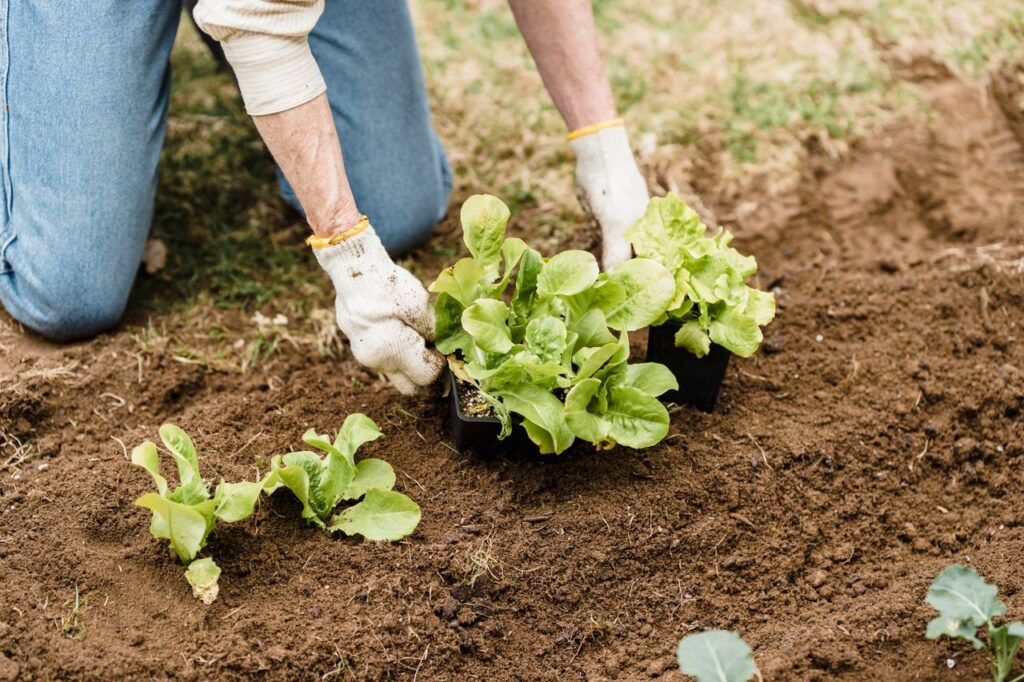
Lettuce seeds germinate best at soil temperatures between 40°F and 75°F. Above 80°F, many varieties enter thermal dormancy and refuse to sprout.
Press seeds lightly into the soil surface. Lettuce needs light to germinate. The guide on how to direct sow lettuce seeds covers depth, spacing, and watering technique.
For fall planting when soil may be too warm, start seeds indoors or in a shaded outdoor spot, then transplant once conditions cool.
How to Grow Lettuce in Colorado?
Afternoon shade is critical for extending the spring harvest. A bed that gets full morning sun but shade after 1 or 2 PM can delay bolting by one to two weeks.
Consistent moisture makes the difference between tender leaves and tough, bitter ones. Water lightly and frequently. Drip irrigation works far better than hand watering. For broader watering guidance, how often should you water your plants covers seasonal best practices, and obvious signs your plant needs water helps you read stress signals before damage sets in.
Succession planting is the key to continuous harvest. Sow a new row every two to three weeks within each window. Understanding the eight lettuce growth stages helps you time your harvest correctly and spot early bolting signs.
For readers who wonder about lettuce’s lifecycle classification, is lettuce annual, biennial, or perennial clears up the confusion.
Best Lettuce Varieties for Colorado
For heat resistance: Jericho (romaine), Muir (butterhead), Nevada (summer crisp).
For cold tolerance: Winter Density (semi-cos), Rouge d’Hiver (red romaine), Arctic King.
For fast harvest: Black Seeded Simpson and Salad Bowl mature in 40 to 50 days and work at every Colorado elevation.
Common Problems Growing Lettuce in Colorado
Premature bolting happens when temperatures spike above 75°F for several consecutive days. Your defenses are variety selection, afternoon shade, and consistent watering.
Tipburn shows brown, papery edges on inner leaves caused by inconsistent watering in low humidity.
Sluggish germination in fall happens when soil is too warm. Start seeds in a shaded spot.
Aphid pressure builds in late spring. A strong spray of water knocks most aphids off.
If you notice yellowing leaves on your lettuce or other garden plants, why is my plant turning yellow helps diagnose whether the cause is watering, nutrients, or something else.
Two Seasons of Lettuce: Making the Most of Colorado’s Cool Windows
The two-window approach is the core strategy. Spring gives you salads from May through June. Fall gives you a second round from September through November.
Within each window, succession planting every two to three weeks transforms a brief harvest into a steady, season-long supply.
For readers who want year-round lettuce, growing lettuce in a greenhouse through winter covers Zone 5b greenhouse methods, and how to grow lettuce in a greenhouse step by step provides the full setup guide.


