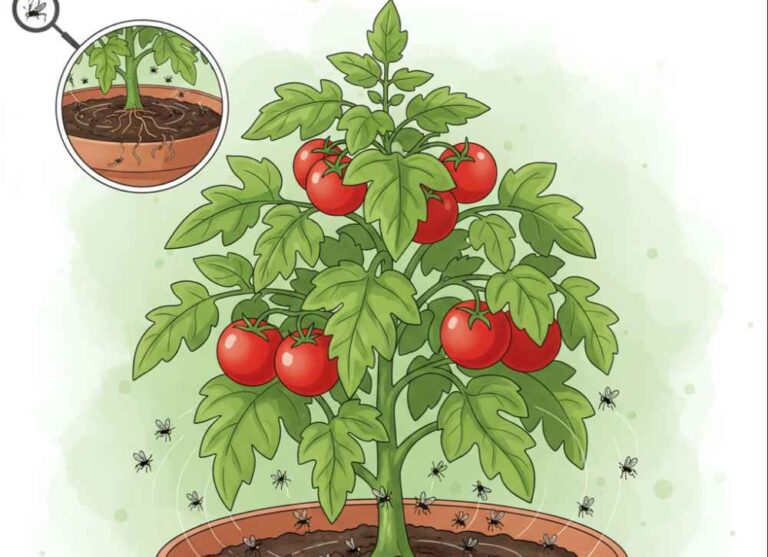
You walk out to your garden after a hot afternoon, only to find your once-proud tomatoes slumped over as they’ve completely given up.
It’s a heartbreaking sight, especially when the leaves feel like dry parchment, and the soil is pulling away from the edges of the pot. But before you start mourning your harvest, take a breath.
The good news is that tomatoes are surprisingly tough. If you act quickly and use the right technique, you can revive them from the brink of dehydration.
In this guide, I am going to show you exactly how to bring that thirsty tomato plant back to life and answer that big question once and for all.
Can Tomato Plants Really Recover from Underwatering?
The million dollar question for every worried gardener is: Can tomato plants recover from underwatering? In most cases, the answer is a resounding yes.
Tomatoes have a built-in “wilting mechanism” to protect themselves. When they run out of moisture, they let their leaves go limp to reduce the surface area exposed to the sun, which slows down water loss.
If the stems are still green and haven’t become brittle or snapped, your plant is likely just in a deep “sleep” waiting for a drink.
However, if the foliage has turned completely brown and crumbles when you touch it, that specific part of the plant won’t bounce back, but the roots might still be alive.
To know for sure, you have to look closely at what an underwatered tomato plant looks like compared to one that has too much moisture.
While a drowning plant turns yellow and soft, a thirsty one stays green but turns “crunchy” or incredibly thin. The faster you spot these signs, the better your chances of a full recovery.
Let’s Get to Work: What’s the Best Solution to Fix Tomato Underwatering?
The “fix” isn’t just dumping a bucket of water on the soil and walking away.
In fact, doing that can actually shock the plant or cause the dry, compacted soil to just let the water run right off the sides without ever reaching the roots.
The real solution involves rehydrating the soil slowly so the roots can actually absorb the moisture.
If you’ve been struggling with the underwatering vs overwatering tomato plant debate in your head, the “finger test” is your best friend.
Stick your finger two inches deep; if it feels like dust, you are definitely dealing with a thirsty plant.
Consistency is key here. Many gardeners ask, do tomato plants need a lot of water all at once? Not exactly. They need a steady supply.
To fix the current crisis, you need to create a “slow soak” environment that wakes the roots up without drowning them.
Step-by-Step: Can Tomato Plants Recover from Underwatering?
If your plant is looking sad, follow these steps to get it back to its vibrant self:
1) Start with a Gentle, Deep Soak
Instead of a quick splash, give the plant a long, slow drink at the base.
If the soil is so dry that it has shrunk away from the pot, use your fingers to press the dirt back against the sides so the water doesn’t just bypass the roots and drain out the bottom.
2) Lock in That Moisture with Mulch
Once you’ve rehydrated the soil, you need to keep that moisture from disappearing.
Adding a layer of straw or dried leaves around the base is a great way to reduce the risk of overwatering for tomato plants in the future, too, because it keeps the soil temperature even.
3) Snip Away the “Crispy” Bits
Check the plant for leaves that are completely dried out. These leaves are no longer helping.
By snipping them off, you allow the tomato to focus all its energy on the healthy stems and new growth.
4) Give Them a Break from the Sun
If it’s the middle of a heatwave, your thirsty plant is struggling. Use a piece of cardboard or a lawn chair to block the direct afternoon sun for 24 hours.
This gives the plant a “cool-down” period to drink up without fighting the heat.
5) Check Your Pots and Soil
Ironically, sometimes we underwater because we are scared of the rot that occurs when we see what happens after overwatering a tomato plant.
Ensure your pots have good holes, or your garden soil isn’t too compacted. Healthy drainage allows you to water deeply without the fear of the roots sitting in a stagnant pool.
Looking Ahead: Can Tomato Plants Recover from Underwatering and Stay Healthy?
Once you’ve seen how tomato plants recover from underwatering, you probably won’t want to go through that stress again!
To keep your tomato plants happy, try to water at the same time every morning. This ensures the plant has a full “tank” before the sun gets high in the sky.
If you find yourself constantly rescuing wilted plants, it might be a sign that your soil isn’t holding onto moisture well.
Mixing in some organic compost can help the soil act more like a sponge and less like a sieve.
Also, keep an eye out for the subtle changes in leaf color; catching the signs early is much easier than reviving a plant that has gone completely limp.
If you notice dark spots on the bottom of your fruits later on, don’t worry; that’s just “blossom end rot” caused by uneven watering.
Keep your moisture levels steady from now on, and the new fruit will be perfect!
Grid
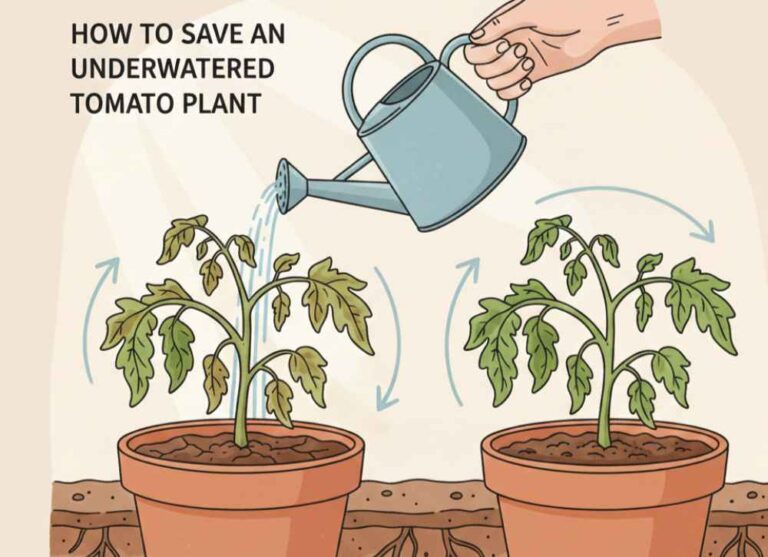
Oh No, My Tomatoes Are Wilted! Can Tomato Plants Recover from Underwatering?
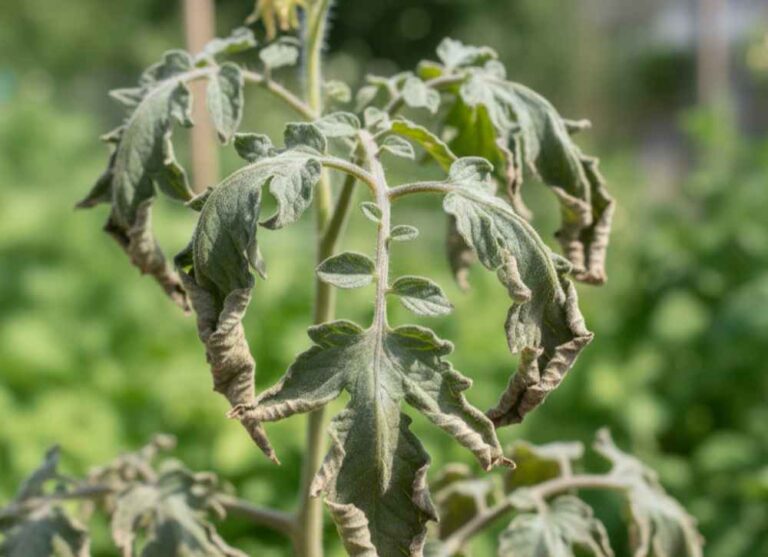
What Do Underwatered Tomatoes Look Like? Identify and Fix Underwatering

Do Tomato Plants Produce All Summer? Can You Grow It in Summer?

Can You Grow Tomatoes In Florida in the Summer?
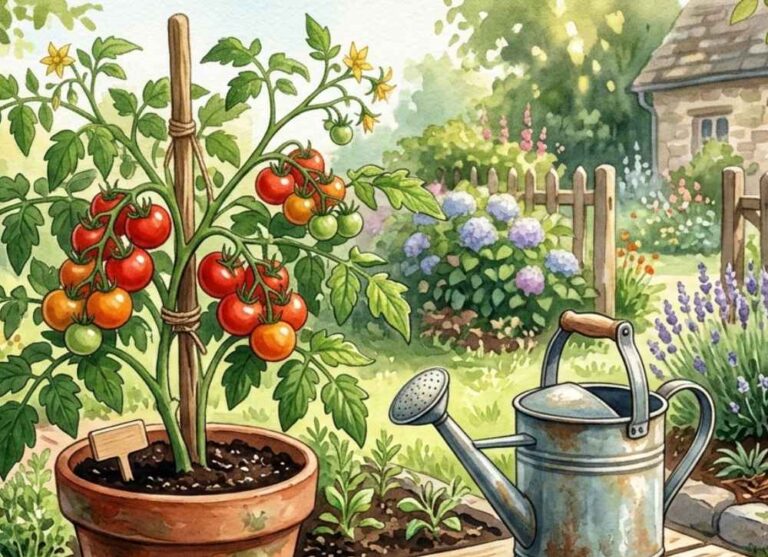
How Often Should You Water Tomato Plants? Guess in 30 Sec