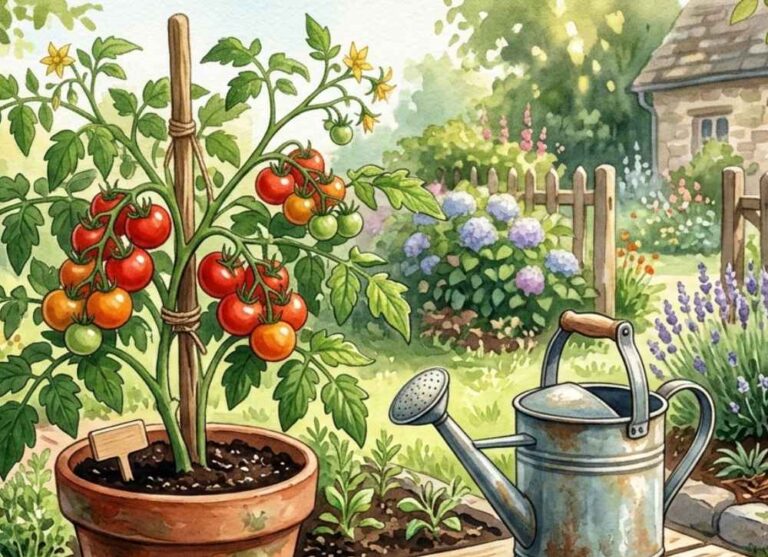
Are your tomato plants looking a bit… pathetic lately, and you can’t tell if it’s underwatering or overwatering? Maybe the leaves are drooping, or your beautiful fruit is starting to split.
You’re likely trying your best, sticking to a strict schedule, and yet, things are going south.
The Problem may be your watering routine….or Something else (that we are going to discuss in this content).
That’s right. Your “every Tuesday and Friday” schedule is actually the villain here. Most gardeners treat watering like a chore to check off a list, but nature doesn’t follow a calendar.
If you’re watering on autopilot, you’re either drowning the roots or leaving them parched. Stop watering by the clock and start watering by the soil.
There is no “one size fits all” answer because the sun, the wind, and your soil type change the rules every single day.
The secret? If the top two inches of soil feel dry, water. If the soil is damp, put the hose down. It’s time to stop guessing and start listening to what your tomato plants are actually telling you.
Factors That Affect How Often You Should Water Tomato Plants
Gardening is one big balancing act, and tomato plants are the ultimate drama queens.
By the way, there are a lot of factors that affect how often you should water your tomato plants. For example, climate, soil type, sunlight intensity, mulching, and even tomato growth stage and tomato variety.
But here, I am going to discuss a few of the most important factors to help you instantly decide how much water your tomato plant needs. When you know why the water is disappearing, you can stop reacting and start predicting what your tomato plants’ watering need.
1) Growth Stage
Your tomato plant is like a growing kid; its thirst changes at every milestone. A “one-size-fits-all” routine won’t work because a tiny sprout and a fruit-heavy vine have totally different needs.
How often should you water your tomato seedlings?
Tomato seedlings have tiny, shallow roots. They need gentle daily “sips” to stay hydrated. Once you transplant them outside, give them a deep drink every day for the first week to help them settle.
How often should you water your tomato plant with vegetative growth?
Once the leaves start exploding, stop the daily sprinkling. Switch to a heavy soak every 2 to 4 days. This forces roots to grow 6 to 8 inches deep, making your tomato plant tough and sturdy.
How often should you water your mature tomato plant with flowers and fruits?
This is the high-stakes stage. Your tomato plant is now a water-guzzling machine. Inconsistent watering now causes tomatoes to crack or rot at the bottom. Stick to a deep soak every 2 days to keep the fruit plumping up.
How often should you water your tomato plant when the fruit ripens?
Here’s a secret: as the tomato plant turns red, back off the water by 20%. This slight stress concentrates the sugars, making your tomatoes taste way sweeter instead of watery.
2) Planting Location
Where you put your tomato plant determines how much “backup” water it has access to. A tomato plant in a tiny pot is living paycheck to paycheck, while one in the ground has a huge savings account of moisture.
How often should you water your tomato plant in a pot or container?
These dry out the fastest. Because they are exposed to the sun from all sides, they heat up and evaporate water like crazy. In a summer heatwave, your potted tomatoes might need a drink twice a day.
Use a large pot, at least 5–10 gallons, to give yourself a safety net, and always water until it runs out of the drainage holes at the bottom.
How often should you water your tomato plant in a raised bed?
Raised beds are great for root growth because the soil is loose, but that also means they drain quickly. Plan on watering these every 2 to 3 days.
If your bed is shallow (less than 8 inches deep), keep an even closer eye on it. A 20-minute deep soak is much better than a quick splash.
How often should you water your tomato plant in the ground soil?
Ground has the most soil volume and stays cool the longest. Once they are established (after about a week of daily watering), they usually only need a deep soak 2 to 4 times a week.
Since the ground holds moisture so well, using a soaker hose at the base is the best way to keep the roots happy without getting the leaves wet.
3) Weather
The weather is the ultimate boss when it comes to your tomato watering schedule. You can have the perfect pot and the perfect soil, but one afternoon of scorching heat or a sudden windstorm will change everything.
Summer Days
When the sun is beating down, and temperatures climb above 95°F, your tomato plants start working overtime. Tomatoes lose moisture through their leaves almost as fast as you can pour it in.
During these heatwaves, don’t be surprised if your tomato plants need a drink every single day, or even a second round in the evening if they start to wilt.
Cool, Windy, or Rainy Days
High winds are just as sneaky; they act like a giant hair dryer, sucking the moisture right out of the soil and the foliage.
On the flip side, you have to be smart about cool or rainy days. If Mother Nature just gave your garden a massive soaking, take a break!
There is no point in sticking to a routine if the soil is already saturated. In the early spring or late fall, when the air is humid and the sun isn’t as intense, your tomato plants might be perfectly happy going three or four days without you even touching the hose.
The best advice is to keep one eye on the forecast and one eye on your garden. If you see a week of 100-degree days coming, prepare to be out there daily.
If it’s a gray, drizzly week, you can probably leave the watering can in the shed and let the clouds do the work for you.
Every Area or Region = Different Climate
Every area has its own unique climate, which is why you really need to be the detective of your own backyard, watching the seasons, daily temperatures, and shifting weather to know exactly what your tomato plants need.
4) Tomato Variety and Their Preferred Soil Type
To know how often you should water your tomato plants, you have to consider both the tomato variety and the soil type. Some tomatoes are thirstier than others, and the soil they live in acts as their “water tank.”
Tomato Variety and Soil Type
If you are growing Indeterminate tomato varieties, those big, sprawling vines that never stop growing, they are going to be your biggest water consumers.
Because they produce so much foliage and fruit throughout the season, they need a soil that can keep up. Most tomatoes, especially these heavy hitters, prefer loamy soil.
This is the “gold standard” because it’s a perfect mix of sand, silt, and clay. It holds enough moisture to keep the roots hydrated but drains well enough that they don’t drown.
If you have loamy soil, your watering routine will be much more stable and forgiving.
On the other hand, if you have Sandy soil, your tomato plants are living on the edge. Even if you grow a tough Determinate (bush) variety, the water will slip through the sand like a sieve.
In this case, you’ll find yourself watering much more frequently. Conversely, clay soil is a greedy sponge. It holds water so tightly that it can actually suffocate the roots.
If you’re growing in clay, you have to be extra careful with your routine; even a thirsty tomato variety can develop root rot if the clay stays “mucky” for too long.
The secret is that while all tomatoes prefer that rich, loamy “sweet spot,” your specific variety will tell you how much to pour, and your soil type will tell you how often you need to grab the hose.
Signs of a Thirsty Tomato Plant: Soil Mastering
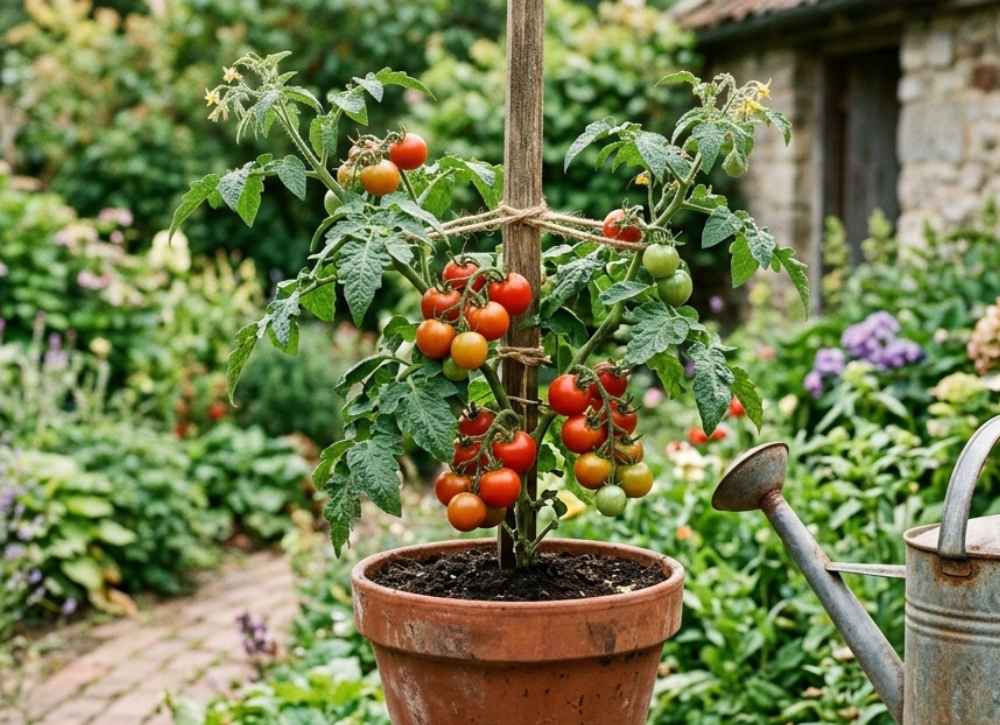
All the factors we discussed work together to tell one story. Instead of guessing, look at your soil’s condition.
The soil is a mirror for your tomato plant’s real-time thirst. I’ll show you a simple method that works for every gardener.
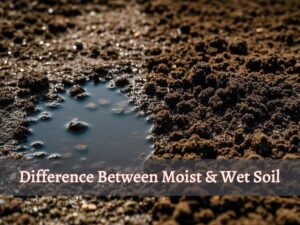
Check the soil first because it tells the story before the tomato plant even reacts. If the dirt feels wet, you don’t need to water yet, but if it feels dry, it is time for a soak.
While the tomato plant eventually shows signs of overwatering or underwatering, the soil gives you the earliest warning. Checking the soil moisture helps you fix the problem before your tomato plant starts to suffer due to overwatering or underwatering.
Here’s the solution to protect an overwatered tomato plants
Here’s the solution to protect an underwatered tomato plants
Final Verdict: When and How Often You Should Water Your Tomato Plants?
The morning is the best time to water your tomato plants. Giving your tomato a deep soak early in the day creates a water reservoir that helps it survive the harsh afternoon sun.
If you miss the morning, late evening is your backup, but try to avoid getting the leaves wet to prevent overnight mold.
In the peak of summer, when tomatoes are at their best, you should give them a generous, deep drink all at once rather than small splashes.
For most gardens, this means watering 2 to 3 times a week, but if you are using pots in high heat, you will likely need to water every day.
When winter rolls around, the game changes completely. Tomatoes are tropical plants, so they naturally slow down or “sleep” as temperatures drop.
You will likely need to move them into a greenhouse to keep them alive. Because they aren’t actively growing, you should cut back watering to prevent the roots from rotting in cold, soggy soil.