

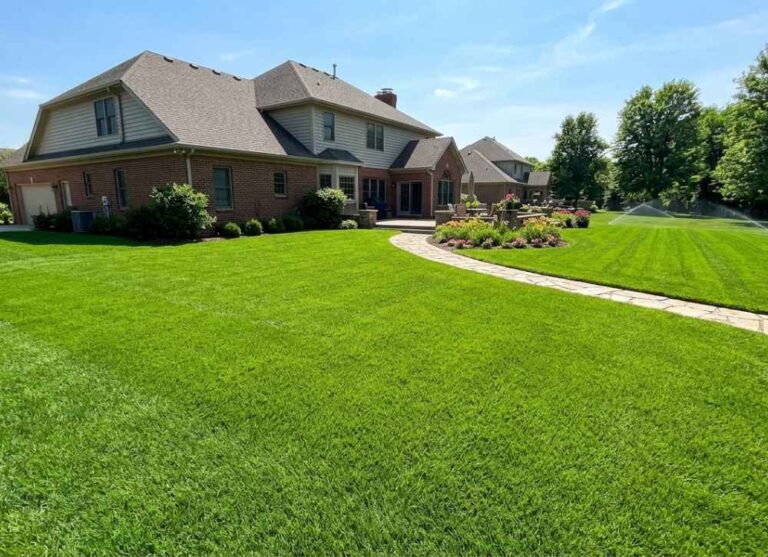
You planted zoysia, and it turned yellow. Or it barely grew. Or it just died. That is not a grass problem; it is a timing problem.
Most Texas homeowners plant whenever they feel ready, not when the grass actually needs to be mowed. Plant too early, and a late freeze kills the roots. Plant too late and the summer heat burns it before it ever gets started. Either way, you lose money and time.
Zoysia is one of the toughest grasses for Texas lawns. It handles heat, drought, and even partial shade. But none of that matters if you put it in the ground at the wrong time.
According to The Grass Outlet, the recommended timeframe for planting zoysia in Texas is March through May. But Texas is a big state, and that window shifts depending on where you live.
When to Plant Zoysia Grass in Texas? North, East, West & South Texas
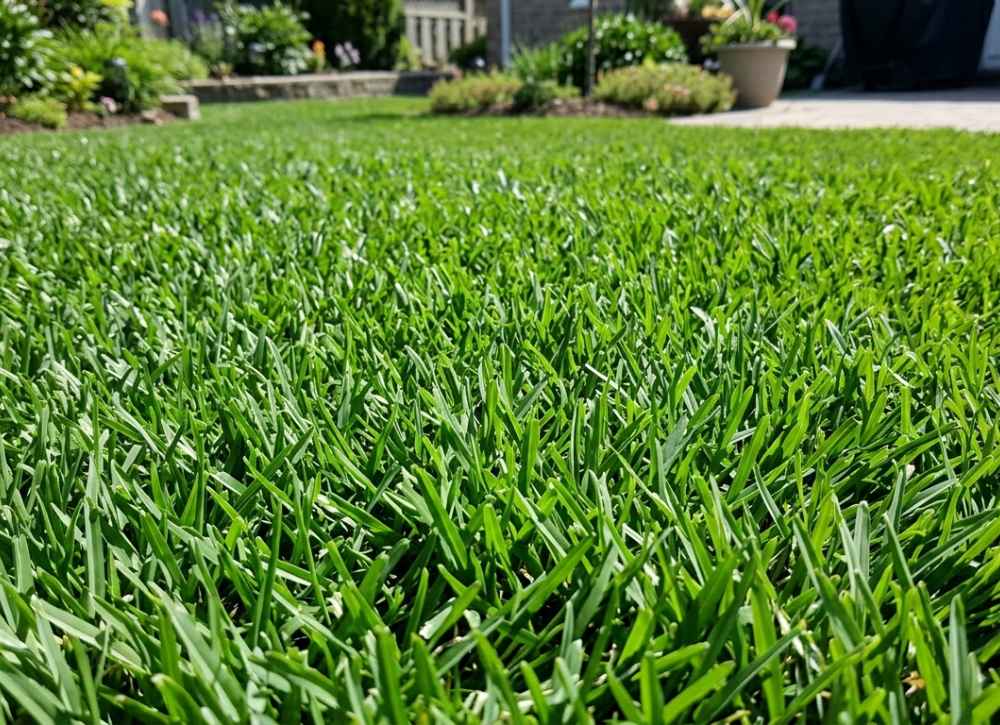
When to Plant Zoysia Grass in North Texas?
North Texas sits in a tricky spot. It gets hot summers, but it also gets genuine winters with hard freezes that can catch new grass completely off guard. Planting at the wrong time here is the most common mistake people make.
In North Texas, you should wait until after the last frost to avoid cold damage to new growth. That usually means holding off until mid-April before you put anything in the ground, even if the weather starts warming up in March. A late freeze can wipe out new roots before they ever get a foothold.
Zoysia grass in North Texas can survive some harsh winter conditions, including temperatures in the single digits for extended periods, making it an adaptable choice for the region. But that cold hardiness applies to established grass, not newly planted sod. Give it time to settle in before the first real chill hits.
The best window for North Texas is mid-April through late May. You want the soil warm and the nights consistently mild before you commit to planting.
When to Plant Zoysia Grass in East Texas?
East Texas is a different world compared to the rest of the state. The humidity is higher, the soil tends to be more acidic, and rainfall is more consistent. That actually works in your favor when planting zoysia.
East Texas has acidic, sandy soils where some grasses struggle, making variety selection especially important in this region. Zoysia handles it better than most, but you still want to plant when the soil is warm and stable, not in the peak of summer when heat and humidity together can stress new roots.
April is typically the sweet spot for East Texas. The ground is warm enough, rain is still frequent enough to help new sod establish without constant irrigation, and you are still ahead of the worst summer heat. You can push into early May without issue, but avoid planting after June if you can.
When to Plant Zoysia Grass in West Texas?
West Texas is the hardest place to grow any grass, and zoysia is no exception. The climate here is dry, the soil can be tough, and summer heat comes fast and stays long. You need to be strategic.
Buffalo grass is considered the native champion for drought-prone West Texas, and zoysia is noted as being too slow to establish and recover in this harsh climate. That does not mean zoysia cannot work, but it does mean you need to give it the best possible start, which means planting in April or early May before the real heat arrives.
Water is the biggest factor in West Texas. New zoysia sod needs consistent moisture to develop roots, and dry air pulls that moisture out fast. If you plant in April and water daily for the first two weeks, you give the grass a real chance. Plant in July and you are fighting a losing battle from day one.
When to Plant Zoysia Grass in South Texas?
South Texas has the most forgiving climate for zoysia in the whole state. Winters are mild, the growing season is long, and you have more flexibility with timing than anywhere else in Texas.
Along the Gulf Coast in South Texas, you can plant zoysia grass during the winter and it will green up in the springtime, though brown dormant grass is better than mud if you need to cover the ground. That said, even here, spring is still the best time to plant if you want fast establishment.
March through April is the ideal window in South Texas. March, April, and May are the best months because temperatures are moderate, the grass is putting down roots, and the heat is not yet hot enough to pull all the water out of the soil. If you are in the Rio Grande Valley, you can even start in late February in a warm year.
Does Zoysia Grass Grow Well in Texas?
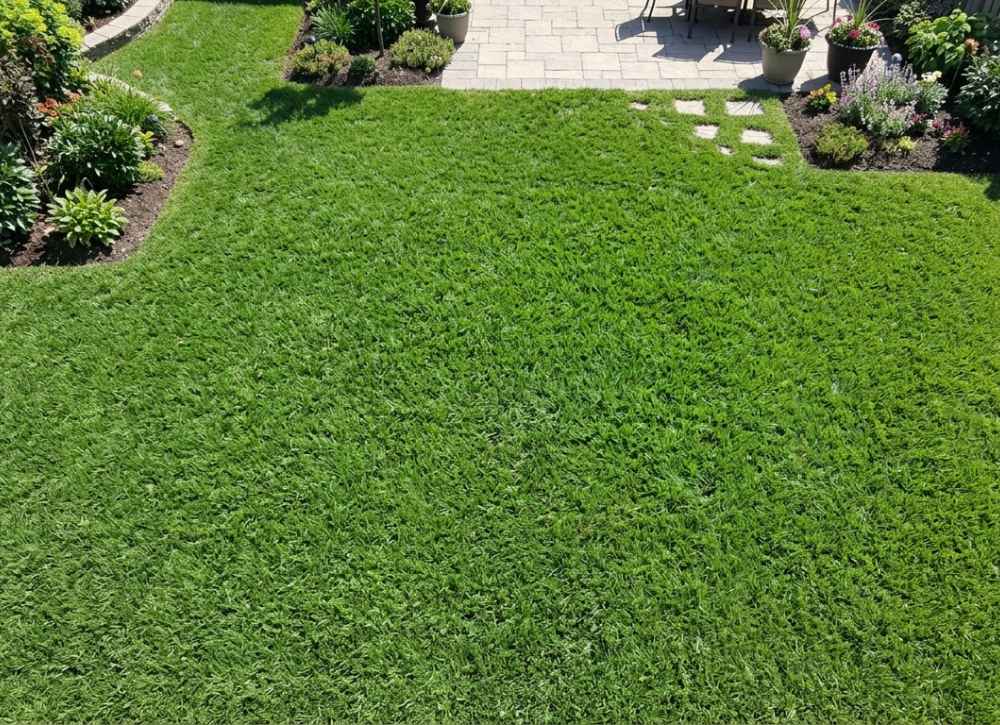
A lot of people ask this before they commit to planting, and it is a fair question. Texas is a demanding climate, and not every grass type thrives here the same way.
Zoysia grows well in full sun but can still handle some shade, and it is relatively drought-tolerant, which makes it a strong choice for many Texas lawns. That combination of traits is hard to find in a single grass type. Most grasses want one or the other, full sun or shade tolerance, but not both.
From the humid Gulf Coast to the drier central plains and even the colder zones of North Texas, zoysia varieties like Emerald, El Toro, and Meyer have proven their adaptability across diverse climates. It is a slow starter, and that trips people up. But once it fills in, it creates a dense, weed-resistant lawn that is genuinely low-maintenance.
The main keyword here matters: knowing when to plant zoysia grass in Texas is more than half the battle. Get the timing right, and this grass rewards you with years of thick, green coverage.
How to Care for Zoysia Grass in Texas?
Planting zoysia is just the beginning. The care you give it in the months and years after planting determines whether you get a lawn you are proud of or one you are constantly fighting.
Mowing is the first habit to get right. The recommended cut height for zoysia grass is 1.5 to 3 inches, and mowing too short can put unnecessary stress on the lawn. Also stick to the one-third rule, never remove more than one-third of the blade in a single mowing session. This applies all season long, not just in spring.
Aeration is something most homeowners skip, but it makes a real difference. Core aeration loosens the soil, drives root depth, allows granular fertilizers to incorporate better, helps with drainage, and helps prevent zoysia patch disease. Do it once a year and your grass will noticeably thicken up.
Thatch is another thing to watch. Zoysia should be dethatched every two to three years to prevent buildup that blocks water and nutrients from reaching the roots. Let thatch get too thick and even a well-watered, well-fed lawn starts looking patchy and tired.
When to Fertilize Zoysia Grass in Texas?
Fertilizing at the wrong time is just as damaging as not fertilizing at all. Zoysia needs nutrients during its active growing season, not before it wakes up and not after it starts going dormant.
Fertilize zoysia two to three times per year: first in spring after full green-up in April or May in Texas, again in mid-summer in June or July, and optionally in early fall by September 1 to 15, but never after mid-September. That window gives the grass everything it needs to grow strong without pushing vulnerable new growth into cold weather.
According to Lawn Synergy, applying fertilizer every 6 to 8 weeks throughout the season until around September is recommended, with 10-0-20 or 20-0-10 being ideal blends for zoysia lawns. If you are not sure where to start, a soil test takes the guesswork out of it completely.
Never put heavy nitrogen fertilizer applications on dormant zoysia, and avoid adding nitrogen too late in the season, as this can increase the chances of certain diseases. Timing matters just as much as the fertilizer itself.
How Often to Water Zoysia Grass in Texas?
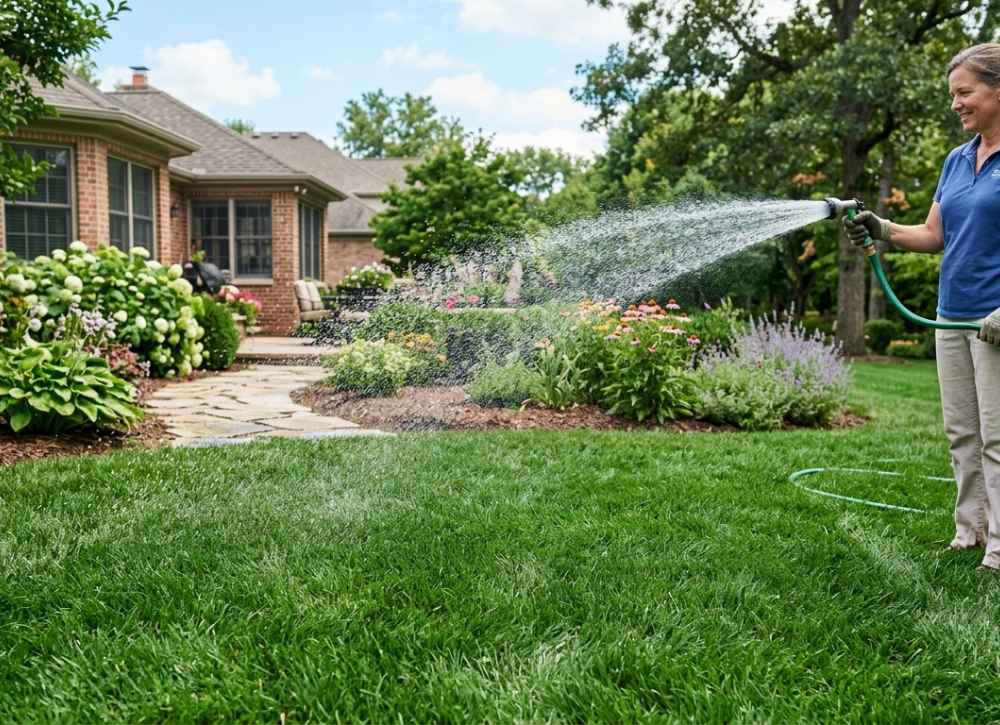
Overwatering is actually one of the biggest problems zoysia owners run into in Texas. The grass is drought-tolerant, but people treat it like it constantly needs water, and that leads to fungal problems and shallow roots.
According to Lawn Love’s Texas maintenance calendar, zoysia grass needs about 1 inch of water per week including any rainfall, and you should be careful not to overwater during spring rains when the ground is already moist. Deep, infrequent watering is always better than light, frequent watering.
Established zoysia needs about 1 inch of water per week in one to two deep watering sessions, and you should always water in the morning. Morning watering lets the grass dry out during the day, which reduces the risk of fungal disease taking hold overnight.
Two reliable signs that your zoysia needs water are a bluish-gray tint to the blades and footprints that stay visible in the lawn for more than a few minutes instead of springing back. When you see either of those, water that day. Do not wait until the next scheduled watering day.
FAQs
Can I plant zoysia grass in the summer in Texas?
You can, but it is risky. Planting zoysia between June and August is risky because high summer temperatures can stress the grass and cause it to go dormant, turning brown and possibly not recovering even when cooler temperatures return. If you have no choice, pick a shadier spot and water very consistently.
How long does zoysia take to establish in Texas?
Sod typically takes 4 to 6 weeks to root in properly. Plugs and seed can take a full growing season or longer to fill in, which is why sod is the most reliable method in Texas and the deep South. Be patient and keep traffic off it during those first few weeks.
What is the best zoysia variety for Texas?
It depends on your yard. Empire zoysia handles heat, humidity, alkaline clay soils, and moderate foot traffic consistently across Dallas, San Antonio, and Houston, making it a strong all-around choice. For partial shade, Zeon is the better pick. For a premium dark-green look, go with Emerald.
Will zoysia grass go dormant in Texas winters?
Yes, and that is completely normal. Zoysia grass emerges from dormancy once soil temperature reaches at least 50 degrees Fahrenheit, which usually occurs in March or April in Texas. The brown color in winter is not dead grass; it is just sleeping.
Does zoysia need a lot of maintenance in Texas?
Less than you might think, once it is established. The main tasks are mowing at the right height, watering deeply but not too often, fertilizing two to three times a season, and dethatching every couple of years. It is a slower grower than Bermuda, which actually means less mowing, and its density naturally crowds out most weeds over time.
Explore More Texas Gardening Guides
Texas Planting Zones by Region & City
| Statewide overview of Texas planting zones | Warm, tropical South Texas zones |
| Cold-snap prone North Texas zone | Humid, mild East Texas zone |
| Arid, alkaline West Texas zone | Transitional Central Texas zone |
| Zone guide for Dallas | Zone guide for Fort Worth |
| Zone guide for Houston | Zone guide for San Antonio |
| Zone guide for Austin | Full Texas growing season & frost dates |
Growing a Lawn in Texas
| Full guide to planting grass in Texas | Choosing the best grass for Texas |
| When to plant Bermuda grass | When to plant St. Augustine grass |
| When to plant Zoysia grass | When to plant Buffalo grass |
| When to plant rye grass | When grass starts growing in Texas |
| How often to water grass in Texas | When to fertilize grass in Texas |
| How to get rid of grass burrs |
Fruit Trees & Peaches in Texas
| The top fruit trees for Texas | When to plant peach seeds in Texas |
| When to plant a pear tree in Texas | When to plant fig tree cuttings in Texas |
| When peach season hits Fredericksburg | When to plant loquat seeds in Texas |
Vegetables & Herbs in Texas
| When to plant tomatoes in Texas | How often to water tomatoes in Texas |
| Is it too late to seed tomatoes in zone 9a? | When to plant lettuce in Texas |
Growing Garlic in Texas
| Full guide: when to plant garlic in Texas | Can you plant garlic in spring in Texas? |
| When to harvest garlic in Texas |


