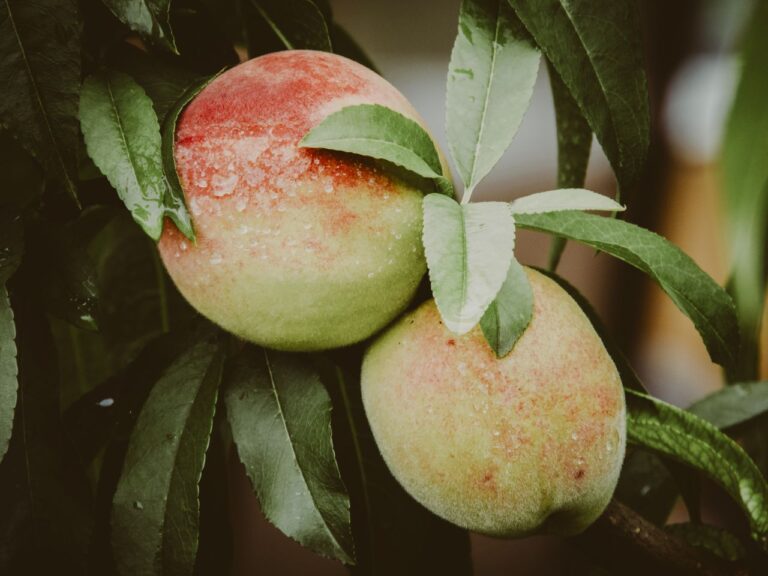
Every summer in Colorado, a familiar buzz starts building around late June. Social media fills with photos of golden, juice-dripping fruit. Roadside stands spring up along highways. Farmers’ market lines stretch around the block. Peach season is coming, and everyone wants to know the same two things: when does it start, and where do I get the good ones before they disappear?
The window is shorter than most people expect. Colorado’s peach crop does not trickle in year-round like oranges from Florida or avocados from Mexico. It hits in a concentrated rush from late June through September, and once it is gone, it is gone until next summer. Miss the peak weeks and you are left scanning grocery shelves for shipped-in fruit that tastes nothing like the real thing.
If you are curious about how Colorado’s season compares to other states, the guide on when peach season hits in your state covers the full national picture. This guide focuses specifically on Colorado.
- When Is Peach Season in Colorado?
- Where Are Colorado Peaches Grown?
- When Are Palisade Peaches in Season in Colorado?
- Why Are Colorado Peaches So Good?
- Are Colorado Peaches Good?
- Are Colorado Peaches Freestone?
- Are Georgia or Colorado Peaches Better?
- Where to Buy Colorado Peaches?
- When to Harvest Peaches in Colorado?
- How to Store Colorado Peaches?
- How to Freeze Colorado Peaches?
- Are Colorado Peaches Good for Canning?
- When Is the Peach Festival in Palisade, Colorado?
- Why Colorado's Peach Season Is Worth the Wait?
When Is Peach Season in Colorado?
Colorado peach season generally runs from late June through mid-September. The exact start and end dates shift each year depending on winter weather, spring frost events, and summer temperatures.
The season is not one single wave. It rolls through in three distinct phases based on which varieties are ripening at any given point. Early, mid, and late season varieties each bring different flavors, textures, and availability windows. Since peaches are technically a summer fruit, the season aligns closely with Colorado’s warmest months.
Early Season Varieties (Late June to Early July)
The first peaches of the year are typically clingstone and semi-freestone types. According to the Palisade Chamber of Commerce, early varieties like PF #1 and PF 5D Big usually start ripening around June 25 through early July.
These early arrivals tend to be smaller, slightly firmer, and less sweet than what comes later. Supply is limited because only a fraction of orchards grow early varieties, and they move fast. If you see them at a stand, buy them that day.
Mid-Season Varieties (Mid-July Through August)
This is peak Colorado peach season. The window most people picture when they think about Colorado peaches falls right here.
Mid-season brings the dominant freestone varieties that made Colorado famous. Red Haven, Blazing Star, Glohaven, and Cresthaven all hit their stride during this stretch. Volume is highest, selection is widest, and this is when you want to buy in bulk for canning, freezing, or preserving.
If you only have one chance to buy Colorado peaches all year, aim for late July through mid-August.
Late Season Varieties (Late August Through September)
The tail end of the season brings varieties like O’Henry and PF 25. Flavor profiles shift slightly as nighttime temperatures cool, often producing fruit with deeper sweetness and a bit more acidity for balance.
Availability narrows quickly as September progresses. Most orchards finish picking by mid-to-late September, and once these late varieties are gone, the season is genuinely over.
Where Are Colorado Peaches Grown?
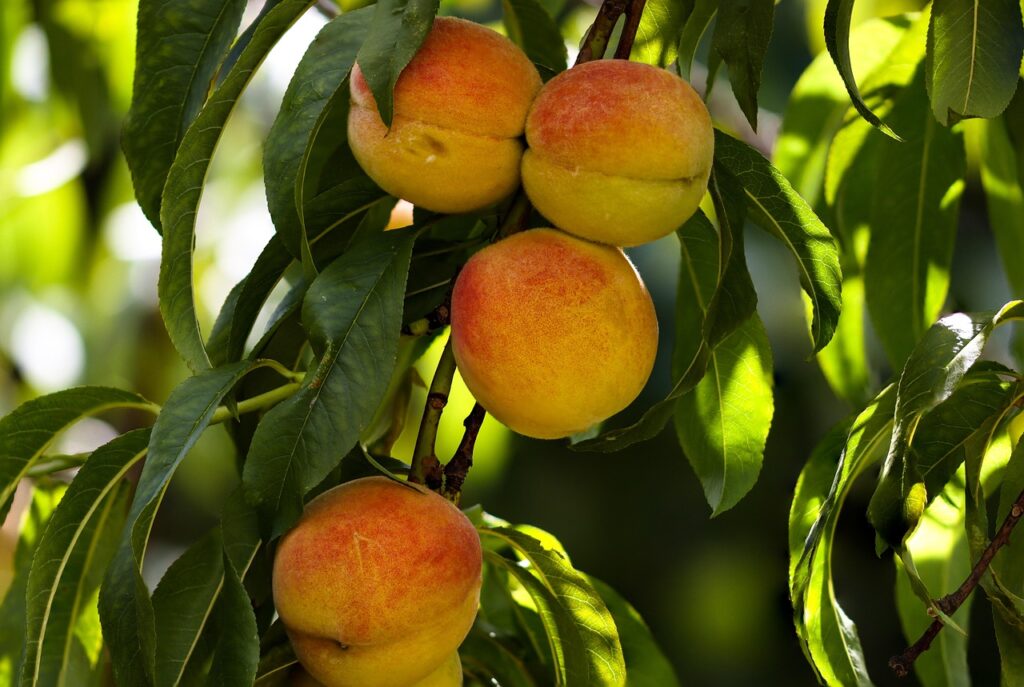
The vast majority of Colorado’s commercial peach crop comes from the Western Slope, specifically the Grand Valley surrounding the town of Palisade in Mesa County. The planting zone around Grand Junction falls in Zones 6b to 7a, which provides the warmth and long growing season peach trees need.
Beyond Palisade, smaller growing regions in Delta County contribute to the supply. The North Fork Valley towns of Hotchkiss, Paonia, and Cedaredge all produce peaches, apples, pears, and cherries. These orchards sit at slightly higher elevations than Palisade, which sometimes makes them more vulnerable to late spring frost events.
The geography that makes these areas work for peaches comes down to four factors: elevation between 4,500 and 5,500 feet, a dry desert climate with very low humidity, warm days that regularly reach the 90s in summer, and cool nights that drop 30 to 40 degrees below daytime highs. If you are comparing Colorado peach country to Texas peach regions around Fredericksburg, the key difference is that Colorado’s altitude and dry air concentrate sugars more intensely.
When Are Palisade Peaches in Season in Colorado?
Palisade’s own peach season typically runs from early July through late September. Some growers in Palisade have reported first picks as early as late June in unusually warm years.
Palisade sits at a lower elevation than the North Fork Valley orchards, which gives it a slightly longer and earlier season. The town’s position in the Grand Valley creates a microclimate where the surrounding mesas block cold air drainage, keeping overnight temperatures more moderate than exposed areas at the same elevation.
The 2026 Palisade Peach Festival is scheduled for August 21 and 22, timed to coincide with the peak of the harvest.
Why Are Colorado Peaches So Good?
Colorado State University horticulture specialist Jeff Pieper has explained the science in multiple public interviews. According to Pieper, the key is the large temperature swing between day and night.
Warm daytime temperatures push peach trees to produce sugars through photosynthesis. Cool nighttime temperatures slow down the metabolic processes that would normally burn those sugars off. The result is a fruit that concentrates more sugar while developing a balanced ratio of sweet to tart.
The dry climate provides a second major advantage. Low humidity reduces insect and fungal pressure, which means growers can use fewer pesticides and fungicides than orchards in humid states like Georgia.
Harold Larsen, a former research fruit pathologist at Colorado State University, has described the combination bluntly: the desert climate delivers heavy solar input, and the warm days paired with cool nights create a sugar-to-acid balance unmatched by other growing regions.
Are Colorado Peaches Good?
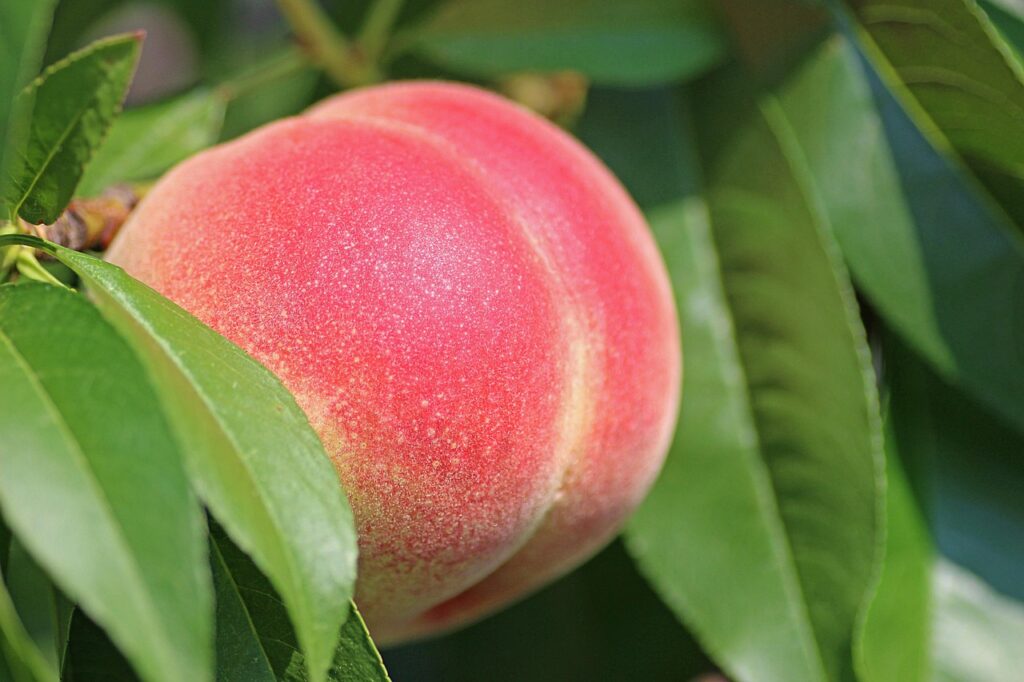
If you have never tried a Colorado peach, the short version is that they are noticeably sweeter, juicier, and more intensely flavored than the typical grocery store peach shipped from a large commercial operation.
Most supermarket peaches are picked well before full maturity so they survive cross-country shipping. Colorado peaches sold at roadside stands and farmers’ markets are picked closer to tree-ripe, which means the sugars have had more time to develop before the fruit reaches your hands.
The texture tends to be firmer and denser than commercially shipped peaches, with a higher juice content that makes them messy to eat over the sink and perfect for baking, grilling, or eating fresh.
Are Colorado Peaches Freestone?
Most Colorado peaches sold at roadside stands, farmers’ markets, and direct-ship services are freestone varieties. The stone separates cleanly from the flesh, which makes them easy to slice, can, and eat fresh.
Some early-season types that arrive in late June and early July are clingstone or semi-freestone. By mid-July, the market shifts almost entirely to freestone varieties and stays there through the rest of the season. If you are buying for canning or freezing, wait for the freestone window.
Are Georgia or Colorado Peaches Better?
Georgia produces roughly ten times the peach volume of Colorado. Its warm, humid climate and longer growing season support massive commercial operations. Georgia peaches tend to be softer, juicier in a different way, and ripen in a climate with consistent moisture.
Colorado’s peaches develop in the opposite conditions: dry air, intense sun, and dramatic temperature swings. The result is denser flesh, higher sugar concentration, and a more complex sweet-tart flavor profile. Both states produce excellent peaches, but the eating experience is noticeably different.
Where to Buy Colorado Peaches?
You have four main channels, ranked from freshest to most convenient.
Roadside fruit stands along the Western Slope offer the freshest option. Highway 6 through Palisade and the roads around Hotchkiss and Paonia are lined with stands during season.
Farmers’ markets across the Front Range bring Western Slope peaches to metro areas. Fruit typically arrives one to three days after picking.
Direct-from-farm shipping services deliver boxed peaches nationwide. Companies like the Colorado Peach Company offer pre-orders starting in June. These sell out, so order early.
Grocery stores carry Palisade peaches seasonally, usually from late July through August.
Where to Buy Colorado Peaches in Denver?
Denver residents have strong options during peak season. The Cherry Creek Farmers Market and Union Station Farmers Market both feature Western Slope fruit vendors. Several seasonal pop-up stands and truck deliveries bring Palisade peaches directly to Front Range neighborhoods. The Denver planting zone page covers more about the metro area’s gardening conditions if you are considering growing your own trees.
Where to Pick Peaches in Colorado?
U-pick peach farms operate primarily in the Palisade and Grand Junction area. The Palisade Peach Shack offers U-pick tours through their orchards. In the North Fork Valley, Big B’s Delicious Orchards near Hotchkiss offers certified organic U-pick.
Call ahead before visiting because U-pick availability depends on the crop year. Bring your own containers, wear sunscreen, and go early when the fruit is coolest.
When to Harvest Peaches in Colorado?
For readers growing peach trees at home, harvest timing depends on your specific variety, elevation, and microclimate. Knowing your Colorado planting zone helps you estimate when your tree will produce.
The universal signs of readiness apply everywhere: background skin color shifts from green to yellow, the fruit gives slightly when pressed, it twists off the branch without force, and the stem end smells fragrant.
If you want to plant your own tree, the guide on how far apart to plant peach trees covers spacing, while can you plant a peach tree in the fall addresses whether autumn planting works in Colorado’s climate. For starting from scratch, how to plant a peach tree from seed and when is the best time to plant peach seeds walk through the full process.
How to Store Colorado Peaches?
Unripe peaches ripen best at room temperature on a countertop, stem-side down. They typically need two to four days depending on firmness at purchase.
Once ripe, move them to the refrigerator. Ripe peaches last about five days in the fridge. Avoid stacking or letting them press against each other, as bruised spots deteriorate fast.
How to Freeze Colorado Peaches?
Blanch peaches in boiling water for 30 to 60 seconds, then transfer to an ice bath. The skins slip off easily. Slice the fruit, removing the pit, and toss slices in lemon juice and water to prevent browning.
Spread treated slices in a single layer on a parchment-lined baking sheet and freeze solid. Transfer to freezer bags, press out the air, and label with the date. They hold quality for eight to twelve months.
Are Colorado Peaches Good for Canning?
Colorado peaches, especially mid-season freestone varieties at peak ripeness, are excellent for canning. Their firm flesh holds up during the hot water bath process, and the high sugar content produces rich, concentrated flavor in the jar.
The best canning window is late July through mid-August, when freestone varieties peak and bulk prices are lowest.
When Is the Peach Festival in Palisade, Colorado?
The annual Palisade Peach Festival takes place on the third Friday and Saturday of August at Riverbend Park. For 2026, the festival is scheduled for August 21 and 22. Palisade Peach Days, a broader week-long celebration, runs alongside the main festival weekend.
Why Colorado’s Peach Season Is Worth the Wait?
Colorado’s peach season packs a lot of flavor into a narrow window. The quality comes from conditions that exist almost nowhere else: high-altitude sun, dramatic temperature swings, bone-dry air, and growers who have been perfecting the craft for over a century.
Whether you drive to the Western Slope, hit a Front Range farmers’ market, or order a box shipped to your door, the key is the same: know the timing, act when the peak hits, and do not wait until September thinking you have more time.