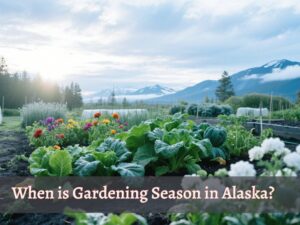
The standard tomato planting advice that works in most of the country falls apart in Colorado. A gardener in Ohio can follow the “plant after Mother’s Day” rule and do fine. A gardener in Denver who follows that same rule might lose every transplant to a May 20 frost that the calendar said should not happen.
Colorado’s combination of high altitude, late frosts, intense UV radiation, and wildly different growing seasons depending on where you stand makes tomato timing a local game. If you are coming from a different state, the guides for planting tomatoes in Texas or tomatoes in Georgia will not help you here. Colorado plays by different rules.
This guide gives you exact timing based on your zone, covers variety selection, and walks through Colorado-specific growing adjustments.
When to Plant Tomatoes in Colorado?
Most Colorado gardeners can transplant tomatoes outdoors between mid-May and early June. The specific date depends entirely on your USDA hardiness zone and elevation.
According to Colorado State University Extension, tomatoes need nighttime temperatures consistently above 52°F and daytime temperatures above 60°F at transplant. Soil temperatures must reach at least 55°F.
Front Range (Zones 5b to 6a, Roughly 5,000 to 6,000 Feet)
The Front Range corridor from Fort Collins through Denver, Aurora, Boulder, Lakewood, Westminster, Arvada, and Littleton is where most Colorado gardeners live.
CSU Extension recommends a late May transplant date for this region. Most gardeners target May 15 through May 25, watching the 10-day forecast before committing. The common mistake is planting after a warm April stretch, only to lose everything when a cold front drops temperatures below freezing in mid-May.
Wall-of-Water season extenders are widely used along the Front Range to get transplants out a few weeks earlier while protecting against surprise frosts.
Western Slope and Lower Valleys (Zones 6a to 7a, Roughly 4,500 to 5,500 Feet)
Gardeners in Grand Junction, Palisade, Montrose, and Delta enjoy Colorado’s longest growing seasons. These areas can transplant tomatoes as early as late April through early May.
The lower elevation and warmer nights give Western Slope gardeners more flexibility with variety selection. Longer-season varieties with 80-plus days to maturity can actually ripen here, whereas they might never mature on the Front Range.
Mountain Communities (Zones 3b to 5a, Roughly 7,000 to 9,500 Feet)
High-altitude gardeners face the tightest constraints. Frost is possible into mid-June, growing seasons can be as short as 90 days, and cool nights slow fruit set.
Transplant outdoors only after mid-June. Short-season varieties with 50 to 65 days to maturity are essential. Many mountain gardeners grow tomatoes exclusively in cold frames, hoop houses, or against south-facing building walls. Those in Zone 5 should consult zone-specific timing.
When to Plant Tomatoes in Colorado Springs?
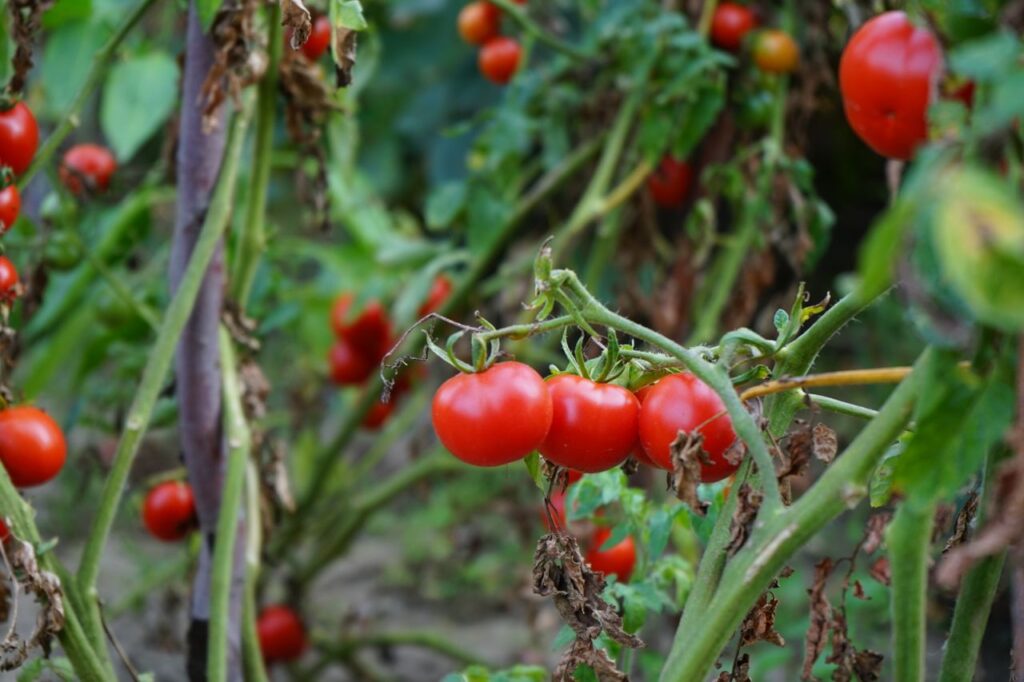
Colorado Springs sits at roughly 6,000 feet in Zones 5b and 6a. The city’s position at the base of Pikes Peak creates more dramatic temperature swings than Denver experiences.
The safe transplant window is typically May 15 through early June. Hardening off transplants thoroughly before moving them outdoors is critical here. Give them at least a full week of gradually increasing outdoor exposure.
When to Start Tomato Seeds Indoors in Colorado?
Start tomato seeds indoors six to eight weeks before your planned outdoor transplant date. For Front Range gardeners transplanting around May 20, that means starting seeds around late March to early April. The guide on when is the best time to plant tomato seeds covers indoor seed-starting technique in detail.
Seeds need consistent warmth (70 to 80°F soil temperature) to germinate, strong light once sprouted, and a gradual transition to outdoor conditions before transplant. If you want to try starting from fresh fruit, how to sow tomato seeds from a tomato walks through that process.
What Are the Best Tomatoes to Grow in Colorado?
Variety choice makes or breaks a Colorado tomato season. The key constraint is days to maturity.
Early-Maturing Slicers
- Early Girl (50 to 62 days) is drought-tolerant and cold-hardy
- Stupice (52 to 60 days) is a Czech heirloom with excellent flavor
- Fourth of July (49 to 54 days) is among the fastest to ripen
- Glacier (55 days) tolerates cool weather and keeps producing
Cherry and Small-Fruited Types
- Sungold (57 days) produces intensely sweet orange cherries
- Sweet 100 is the most popular cherry type for Colorado gardens
- Juliet (60 days) produces grape-shaped fruit for snacking
Paste and Sauce Varieties
- Roma VF (60 to 65 days) is compact and disease-resistant
- San Marzano (70 to 75 days) works on the Front Range and Western Slope
CSU Extension specifically recommends VFN-resistant hybrid varieties for the state. Celebrity and Better Boy are reliable VFN choices. If you are curious about what a healthy tomato plant should look like at various stages, that guide provides a visual reference. And yes, tomatoes in Colorado are grown as annuals since they cannot survive frost, which the guide on whether tomato plants are annual or perennial explains.
How to Grow Tomatoes in Colorado?
Growing tomatoes in Colorado requires adjustments that generic gardening guides do not cover.
Harden off transplants aggressively. Colorado’s intense UV at elevation can sunburn leaves raised under indoor lights. Gradually increase outdoor exposure over 10 to 14 days.
Mulch to regulate soil temperature. Black plastic mulch warms the soil early in the season. Switch to straw or wood chip mulch by mid-summer to prevent overheating.
Stake or cage every plant. Colorado’s afternoon winds can snap stems and topple unsupported plants. Install support at planting time.
Plant deep or sideways. Bury leggy transplants up to two-thirds of their stem length. Those buried sections grow new roots for a stronger foundation in Colorado’s fast-draining soils.
How Often to Water Tomatoes in Colorado?
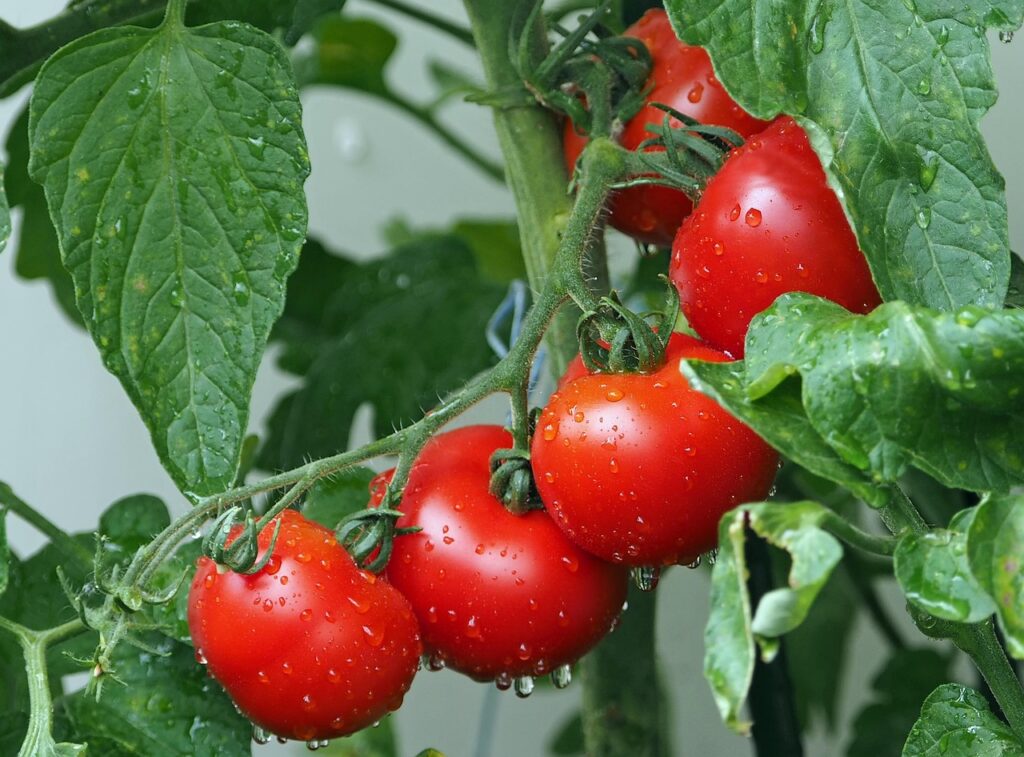
Colorado’s dry climate means tomatoes need more water here than in humid states. Plan on one to two inches per week, adjusted up during heat waves and windy stretches. The detailed guide on how often to water tomato plants covers this in depth.
Consistent moisture is the single most important factor. Irregular watering, where soil swings between dry and soaked, is the leading cause of blossom end rot in Colorado tomatoes. For general watering principles across all your plants, how often should you water your plants provides a broader framework.
If you notice your plants wilting despite watering, learn to distinguish between underwatered vs overwatered tomato plants. The symptoms look similar but the fixes are opposite. For rescue techniques, how to save an overwatered tomato plant and can tomato plants recover from underwatering cover both scenarios.
Drip irrigation or soaker hoses outperform overhead watering in Colorado’s low humidity. Water early in the morning for best results.
One common pest problem in Colorado tomato gardens is fungus gnats, especially in containers or beds with high organic matter. If you notice small flies around your soil, the guide on how to get rid of fungus gnats on tomato plants covers solutions. Do tomatoes need a lot of water is also worth reading for context on balancing moisture without creating gnat-friendly conditions.
When Do Tomatoes Ripen in Colorado?
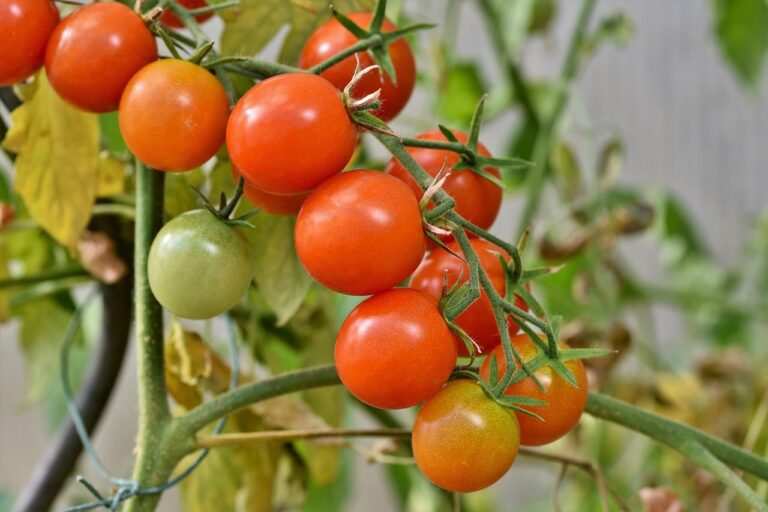
Most Colorado tomatoes begin ripening in mid-July and continue through September. The first ripe fruit usually comes from cherry varieties and early slicers. Peak harvest for most Front Range gardens falls in August.
If you are wondering whether tomato plants produce all summer, the answer in Colorado is yes for indeterminate varieties, but the window is shorter than in warmer states.
As fall approaches and frost threatens, you have two options for green tomatoes still on the vine. Cover plants with frost cloth on cold nights to buy extra time, or pick all remaining fruit and ripen it indoors in a paper bag with a ripe banana. End-of-season green tomatoes are a given in Colorado. Planning for it rather than being surprised by it is part of successful tomato gardening here.
Setting Your Colorado Tomato Season Up for Success
Success with tomatoes in Colorado comes down to three decisions. First, match your planting date to your zone, not to a national calendar. Second, choose varieties with days-to-maturity numbers that fit inside your frost-free window. Third, manage water consistently and protect plants from wind and late-season cold.
Get those three right, and Colorado’s intense sun and dry air actually become advantages. For preparing your garden for winter after the tomato season ends, that seasonal guide covers the full shutdown process.