

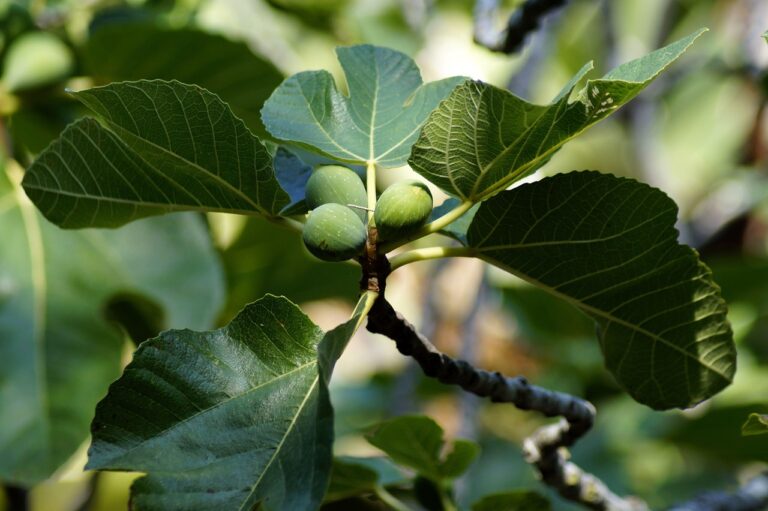
Most people hear “fig tree” and picture California or the Deep South. Colorado does not typically enter the conversation. But fig trees can absolutely grow in Colorado, and gardeners across the Front Range and Western Slope are proving it every year.
The honest answer is yes, with a qualification. Figs will not grow here the way they do in San Diego. In Colorado, growing figs takes intention. You need to choose the right approach, pick a cold-tolerant variety, and manage winter dormancy carefully. If you have read can fig trees grow in Massachusetts, similar principles apply here, since both states push the limits of fig cold hardiness.
Can Figs Grow in Colorado?
Yes, but because most of the state falls in Zones 3 through 6, fig trees cannot survive winter outdoors without help. Two approaches make fig growing work: container growing (most reliable) and in-ground growing with heavy winter protection.
Growing Figs in Containers
Container growing is the primary recommended method. Move the container outdoors after your last frost date, place it in the warmest, sunniest spot (south-facing wall is ideal), and let it grow through summer. Before the first hard frost in fall, move it indoors.
A 15 to 25 gallon pot is the minimum for consistent fruiting. Container figs need more frequent watering than in-ground trees because pots dry out faster in Colorado’s low humidity. Check soil moisture daily during hot weather.
Growing Figs In-Ground in Colorado
In-ground planting is only viable in Zone 6a or warmer, and even then only in sheltered microclimates. The best sites are south-facing walls where reflected heat creates a pocket that runs a full zone warmer. For readers considering fall planting, can you plant a fig tree in the fall covers whether autumn timing works.
Winter protection is non-negotiable. Methods include heavy mulching (12 inches of straw or leaves over the root zone), wrapping the trunk in burlap with insulation, and building a wire cage filled with leaves.
Even with protection, winter dieback of above-ground branches is common. Many cold-hardy figs produce fruit on current-season growth, which means even if branches die back, the tree can still produce. Do fig trees lose their leaves in the winter explains the natural dormancy cycle that fig trees go through.
Best Fig Varieties for Colorado
- Chicago Hardy survives to Zone 5 with protection, fruits on new wood
- Brown Turkey is cold-tolerant, fast-growing, and a heavy producer
- Celeste is compact with excellent flavor and pest resistance
- Violette de Bordeaux produces rich, dark figs on a manageable plant
Chicago Hardy is the standout. Its roots survive temperatures down to roughly -20°F. For container growing, Brown Turkey and Celeste both perform well.
If you are interested in propagating your own fig tree, how to propagate fig tree from a cutting covers the technique. And when to take fig tree cuttings in your area helps you time the process for Colorado’s climate. For fig planting guides specific to warmer states, you can also reference planting fig trees in Georgia, North Carolina, Texas, and Florida.
How to Care for Fig Trees in Colorado?
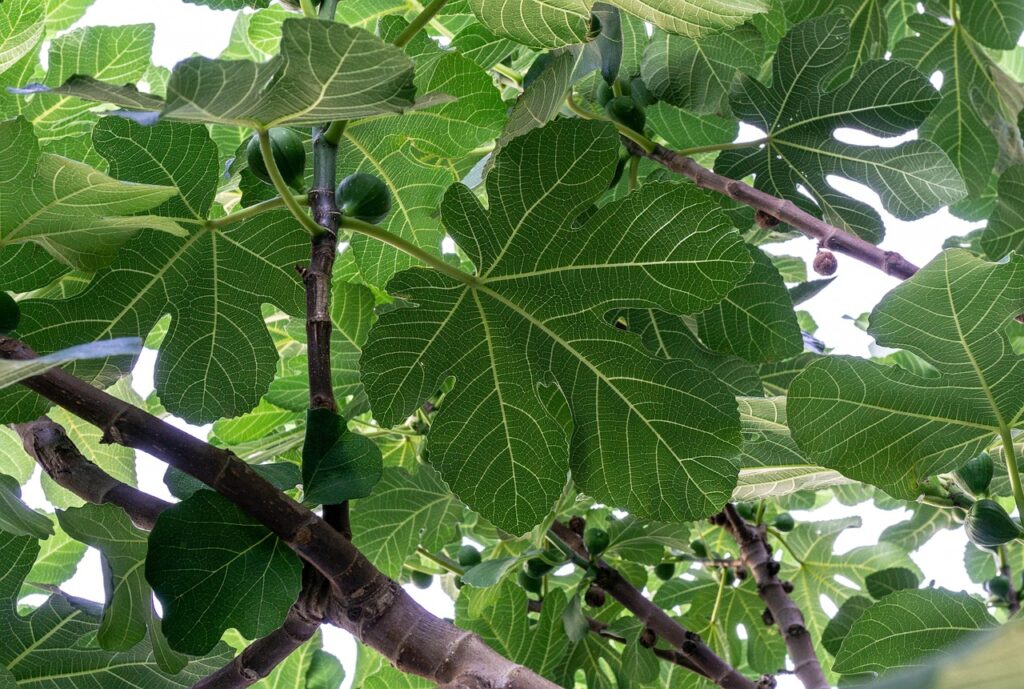
Figs prefer consistent moisture but well-drained soil. Colorado’s dry air means container trees may need daily watering during peak summer.
Full sun is essential: at least six to eight hours daily. Go light on nitrogen fertilizer. Excess nitrogen pushes leafy growth at the expense of fruit.
One genuine advantage of Colorado for fig growers: the dry air and low humidity create very low pest and disease pressure compared to the humid Southeast.
Overwintering Fig Trees in Colorado
Container trees: Bring indoors before the first hard frost, typically in October. Store in an unheated garage or basement at 20°F to 45°F. Water minimally, just enough to keep roots from drying out completely. Do not store in a heated room. Bring back outdoors after the last frost date.
In-ground trees: Begin wrapping and mulching before the first hard freeze. Remove protection gradually in spring. For full seasonal shutdown guidance, how to prepare your garden for winter covers the broader process.
When Are Figs in Season in Colorado?
Container-grown figs typically produce ripe fruit from late July through September. Ripe figs show color change, slight drooping on the stem, softness to gentle touch, and sometimes a crack at the base. Figs do not ripen after picking, so leave them on the tree until fully ready.
Where to Buy Fresh Figs in Colorado?
Locally grown fresh figs are rare in Colorado markets. Specialty grocery stores and some Mediterranean grocers carry them seasonally, usually imported from California. For the freshest figs in Colorado, growing your own remains the most reliable option.
Growing Figs in Colorado Is a Project Worth Starting
Container growing is the reliable path. In-ground growing is the adventurous option. Variety selection and winter care are the two decisions that determine success. The reward, fresh figs from your own tree in Colorado, is genuinely achievable with the right setup.


