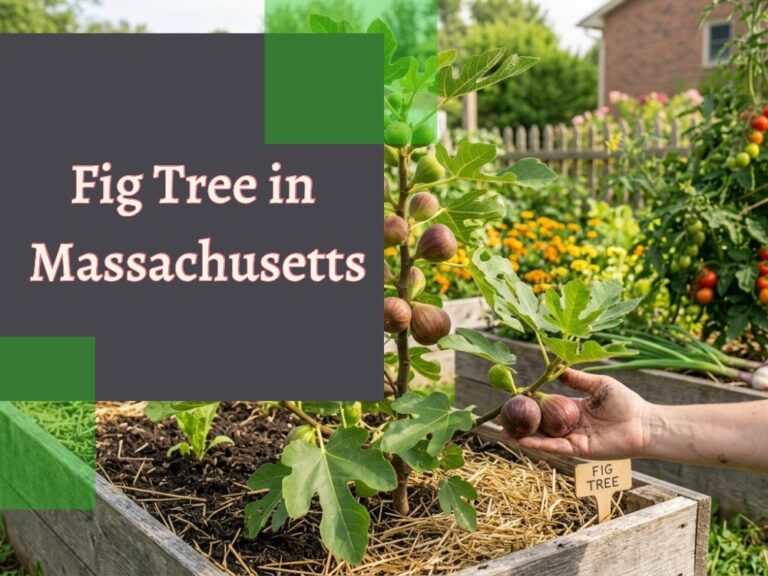
Most people assume fig trees belong in warm Mediterranean climates and have no business growing anywhere near New England. Massachusetts, with its freezing winters and unpredictable spring frosts, seems like the last place a fig could survive.
That assumption is wrong. Fig trees can and do grow in Massachusetts, and plenty of growers across the state harvest ripe fruit every summer.
The key is understanding that figs in this climate require a different approach than figs in, say, Georgia or Florida. You cannot just plant one and walk away. But with the right variety, the right planting strategy, and a winter protection plan, Massachusetts gardeners can grow genuinely productive fig trees.
This guide covers everything you need to make it work, from picking a cold-hardy cultivar to getting your tree through its first New England winter.
- Can Fig Trees Grow in Massachusetts?
- Best Fig Varieties for Massachusetts
- How to Grow a Fig Tree in Massachusetts?
- Growing Fig Trees in the Ground with Winter Wrapping
- Growing Fig Trees in Containers
- Growing Fig Trees in Unheated Structures
- When to Uncover Fig Trees in Massachusetts?
- Pruning, Feeding, and Seasonal Care
- Fruiting Expectations in Massachusetts
- Where to Buy Fig Trees in Massachusetts?
- Why Massachusetts Fig Growers Have an Advantage They Don't Expect?
Can Fig Trees Grow in Massachusetts?
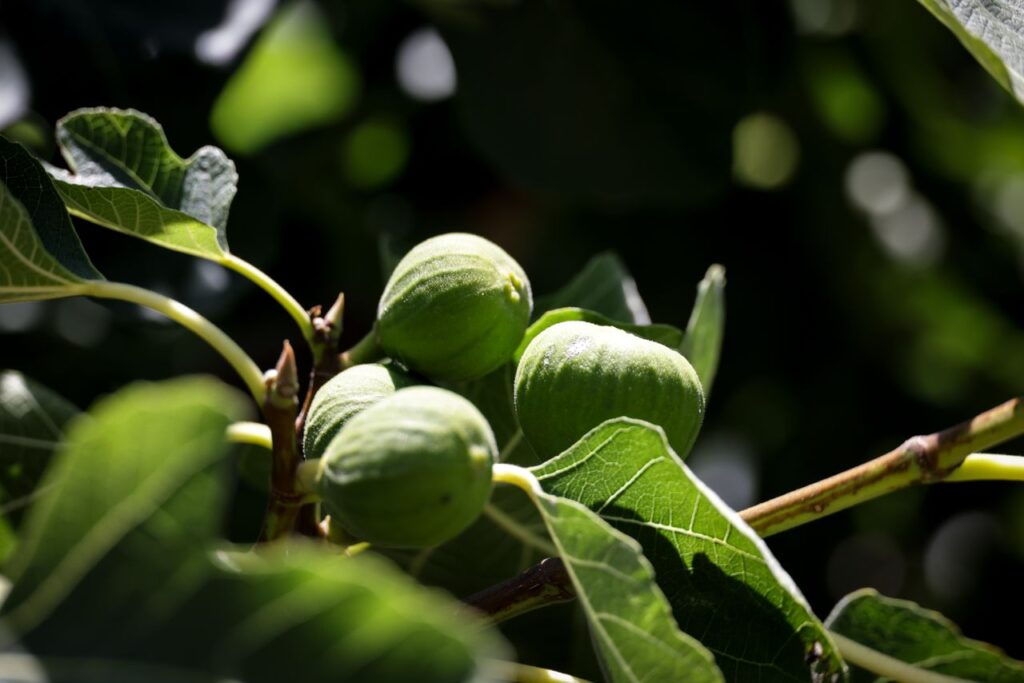
Yes, fig trees can grow and produce fruit in Massachusetts. The critical factor is not whether they can handle the summers, because Massachusetts summers are actually excellent for figs, but whether they can survive the winters.
Massachusetts spans USDA hardiness zones 5b through 7a, according to the 2023 USDA Plant Hardiness Zone Map. Most fig varieties are naturally hardy only down to about 15°F to 20°F, which means an unprotected tree will suffer serious damage or die in a typical Massachusetts winter.
The workaround is choosing varieties bred for cold tolerance and pairing them with a winter protection strategy. According to Gardening Know How, temperatures between -10°F and -20°F will kill a fig tree outright, but cold-hardy cultivars can survive much lower temperatures when their roots are insulated.
The two main factors that affect planting success for any crop, frost timing and temperature extremes, apply with special force to figs in this state. Understanding how environmental factors influence plant growth helps you plan around those limits rather than fight them.
Best Fig Varieties for Massachusetts
Not every fig cultivar can handle a Massachusetts winter, even with protection. The varieties that perform best here share two traits: cold-hardy roots and the ability to fruit on new wood, which matters because winter dieback often kills last year’s branches.
Chicago Hardy
Chicago Hardy is the top choice for Massachusetts growers. The Missouri Botanical Garden lists its stems as hardy to 10°F and its roots as hardy to -20°F, making it the most reliable fig for zone 5 planting.
Even when the stems freeze to the ground in harsh winters, Chicago Hardy regrows from the roots and fruits on new wood by late summer. One Green World nursery reports that a single plant with four new stem growths can produce up to 150 figs in a season.
The fruit is medium-sized with dark purple skin and sweet pink flesh. It ripens in late summer through early fall, which fits the Massachusetts growing window well.
Brown Turkey
Brown Turkey, sometimes called English Brown Turkey, is another solid performer for Massachusetts. It handles cold better than most fig varieties, though it is slightly less hardy than Chicago Hardy.
The fruit is large with brownish-purple skin and a mild, sweet flavor. Brown Turkey adapts well to container growing, which makes it a practical choice for gardeners in the colder zone 5 areas of western Massachusetts.
Celeste
Celeste produces small, very sweet figs with a honey-like flavor. It is slightly less cold-tolerant than Chicago Hardy but still performs in zones 6 and warmer parts of Massachusetts.
For growers near Boston, the South Shore, or Cape Cod, Celeste is a viable option with proper winter care. In the colder Worcester or Springfield areas, container growing gives it the best chance.
How to Grow a Fig Tree in Massachusetts?
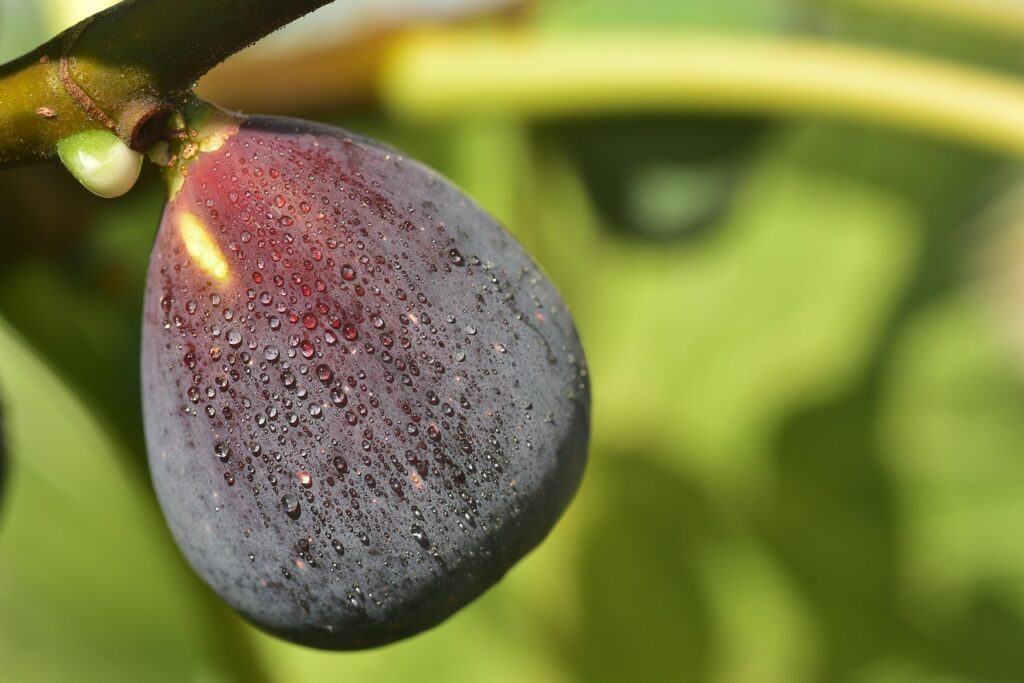
Regardless of which winter protection method you use, certain growing fundamentals apply to every fig tree in Massachusetts. Getting these basics right gives your tree the strongest possible start.
Choose a south-facing planting spot that gets full sun for at least six to eight hours daily. According to Stark Bro’s fig growing guide, figs need maximum sunlight exposure for strong branch development and proper fruit ripening.
A location against a south-facing wall or fence adds reflected heat and wind protection, both of which matter in Massachusetts. Avoid low spots where cold air pools on frosty nights.
Figs prefer well-drained soil with a slightly acidic to neutral pH, roughly 6.0 to 6.5. Soggy roots are a bigger threat than poor soil, so if your ground holds water, consider raised beds or containers.
The best time to plant a fig tree in Massachusetts is late spring, after the last frost has passed. You can also plant trees in the fall if you give them at least six weeks to establish roots before the ground freezes.
Growing Fig Trees in the Ground with Winter Wrapping
Planting a fig directly in the ground gives it more root space and generally produces larger trees with bigger harvests. The trade-off is that you must protect the tree every winter.
Start winterizing after the tree drops its leaves in late fall. The Brooklyn Botanic Garden recommends waiting until the tree has experienced a freeze and gone fully dormant before wrapping.
The wrapping process involves several layers. Prune any crossing or weak branches, then tie the remaining branches together into a tight column. Wrap the column in burlap, then build a wire cage around it and fill the cage with straw, leaves, or shredded bark. Finish with an outer layer of plastic or tarp to shed moisture.
This method works best in the warmer zones of Massachusetts, roughly 6b through 7a. If you garden in zone 5 areas like the Berkshires, consider the container method instead. For a broader look at winterizing your garden, the guide on preparing your garden for winter covers the general principles.
A Massachusetts grower on the Fig Fanatic forum documented success in zone 6a/6b using a three-layer A-frame enclosure system with pink insulation and tarps, showing that creative winter structures can keep fig trees alive even through brutal New England cold.
Growing Fig Trees in Containers
Container growing is the most reliable method for Massachusetts fig growers, especially in the colder western and central parts of the state. The entire tree moves indoors for winter, which eliminates the gamble of outdoor protection.
Use a pot at least 15 to 20 gallons in size with drainage holes. A mix of potting soil, compost, and perlite gives figs the well-drained, nutrient-rich environment they prefer.
Place the container outdoors in full sun from late May through September. Figs in pots dry out faster than in-ground trees, so watch for signs your plants need water and water deeply whenever the top two inches of soil feel dry.
When fall arrives and the tree drops its leaves, move it into an unheated garage, basement, or shed. Online Fig Trees recommends keeping the dormant temperature between 30°F and 50°F. Water sparingly through winter, roughly once a month, just enough to prevent the soil from drying out completely.
The trade-off with containers is smaller trees and slightly reduced yields compared to in-ground planting. But for zones 5b through 6a in Massachusetts, the guaranteed survival makes it worth the compromise.
Growing Fig Trees in Unheated Structures
A cold frame, hoop house, or unheated greenhouse offers a middle path between outdoor wrapping and full container growing. These structures buffer winter temperatures enough to protect in-ground figs without the labor of wrapping.
The structure does not need to be heated. Even an unheated hoop house can raise the temperature inside by 10 to 15 degrees compared to outdoor air, which is often the difference between survival and dieback.
This method also extends the growing season on both ends. Your fig starts growing earlier in spring because the structure traps warmth, and fruit continues ripening later into fall. For Massachusetts growers chasing every possible warm day, that extra time can mean the difference between ripe figs and green ones when frost arrives.
When to Uncover Fig Trees in Massachusetts?
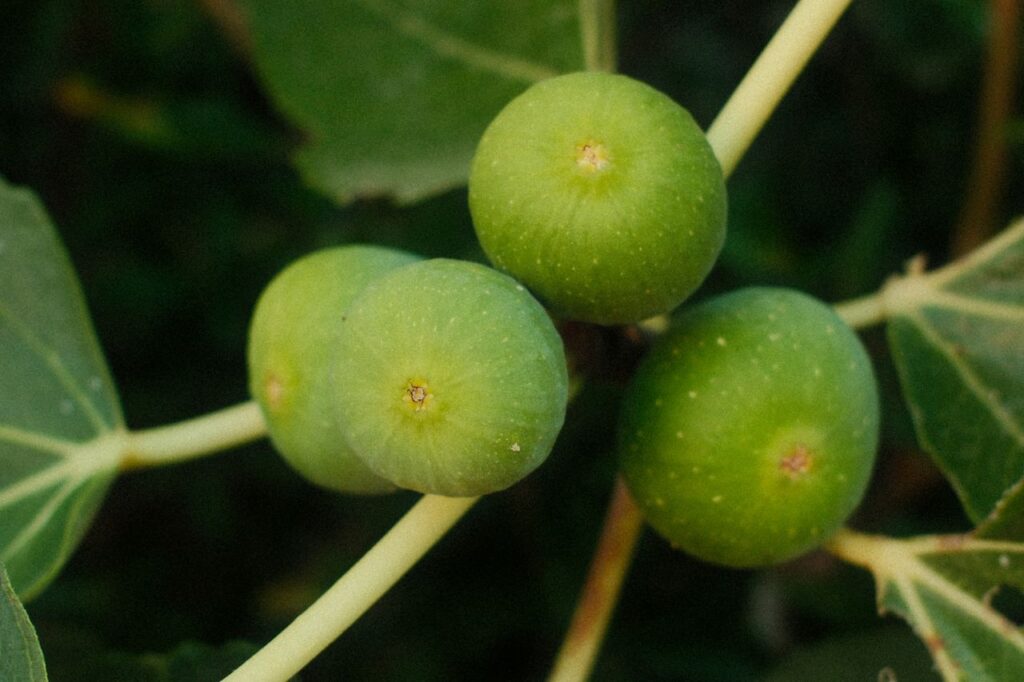
Timing the spring uncovering is just as important as the winter wrapping itself. Removing protection too early exposes tender new growth to late frosts. Waiting too long traps heat and moisture, which can trigger mold or premature growth under the wrapping.
The Brooklyn Botanic Garden recommends unwrapping in late March for their New York climate, but Massachusetts growers should wait a bit longer. In eastern Massachusetts, mid to late April is usually safe. In the Berkshires and central Massachusetts, hold off until early May.
The target is to uncover after the last hard frost but before sustained warm weather pushes new shoots. Check your regional frost date as a guide. The zone 5 frost dates place the last spring frost around mid-May in the coldest parts of the state.
If a surprise frost threatens after you have already unwrapped, drape a frost cloth or old bedsheet over the tree for the night. That temporary cover is usually enough to protect tender buds from a single cold snap.
Pruning, Feeding, and Seasonal Care
Figs in Massachusetts benefit from a compact growth habit. Keeping the tree small makes winter wrapping far easier and ensures the entire canopy can be protected without leaving exposed branches.
Prune in late winter or very early spring, before new growth starts. Remove dead wood, crossing branches, and any growth that would make the tree too tall or wide to wrap. Fig trees respond well to hard pruning, so do not hesitate to cut back aggressively if needed.
Fertilize in early spring with a balanced fertilizer once the tree shows new leaf growth. Avoid heavy nitrogen feeding late in the season, since it encourages soft new growth that will not harden off before winter.
During the growing season, keep the soil consistently moist but never waterlogged. Figs are surprisingly drought-tolerant once established, but steady watering during fruit development improves size and sweetness. If your tree seems sluggish, review the common reasons plants fail to thrive to troubleshoot.
Watch for fig rust, which shows up as yellow-brown spots on the undersides of leaves. It rarely kills the tree but can weaken it heading into winter. Remove affected leaves promptly and improve air circulation around the canopy.
Fruiting Expectations in Massachusetts
Set realistic expectations before your first season. Massachusetts is not California, and your harvest will look different from what you see in warmer climates.
Fig trees produce two potential crops each year. The breba crop forms on last year’s wood and ripens in early summer. The main crop forms on new growth from the current season and ripens from late summer into fall.
In Massachusetts, the breba crop is unreliable. Winter dieback typically kills the older branches that produce breba figs, so most of your harvest comes from the main crop. According to Biology Insights, the main crop generally ripens from August through October, depending on the variety and growing conditions.
Chicago Hardy is especially well-suited here because it fruits heavily on new wood. Even after freezing to the ground, it regrows and still produces a main crop by late August or September.
Ripe figs droop slightly on the branch, feel soft to a gentle squeeze, and show a color shift specific to the variety. Figs do not ripen after picking, so leave them on the tree until they are fully ready.
Since figs are deciduous trees that lose their leaves each fall, the bare branches in winter are normal. Understanding why deciduous trees drop their foliage and how they survive cold seasons helps you stay calm when your fig looks lifeless in January.
Where to Buy Fig Trees in Massachusetts?
Local nurseries and garden centers across Massachusetts carry cold-hardy fig varieties, especially Chicago Hardy and Brown Turkey. Buying locally gives you the advantage of getting a tree already acclimated to the region’s conditions.
Agricultural fairs and plant swaps in the state are another good source. Massachusetts has an active community of fig growers who often sell or trade cuttings from trees with proven local performance. If you are interested in growing from cuttings, understanding how to propagate a fig tree from a cutting and when to take fig tree cuttings gives you a head start.
For harder-to-find varieties, online specialty nurseries like One Green World and Stark Bro’s ship bare-root and potted fig trees directly. When ordering online, time your purchase so the tree arrives after your last frost date. If you are new to cutting propagation, explore the different types of cutting methods and the ideal environment for rooting before you take your first cuttings.
For growers in other states, fig tree planting timelines differ. You can compare schedules for North Carolina, Georgia, Florida, and Texas to see how climate shapes the approach.
Why Massachusetts Fig Growers Have an Advantage They Don’t Expect?
Here is something most Massachusetts gardeners never consider: the cold winters that seem like a disadvantage actually benefit your fig tree in a specific way.
Figs need a dormancy period triggered by cold temperatures. In warmer climates, trees sometimes break dormancy too early or never go fully dormant, which can weaken them over time. Massachusetts winters force a deep, complete rest that produces vigorous spring growth when the warmth returns.
Once summer arrives, Massachusetts delivers exactly what figs crave. The warm, humid conditions from June through September create strong photosynthesis, rapid branch extension, and excellent fruit development on new wood.
The combination of forced winter dormancy and productive summers means Massachusetts-grown figs can match the flavor of figs from much warmer climates. The fruit tends to be intensely sweet because the trees put all their energy into a concentrated growing season rather than spreading it across a longer, milder year.
With the right variety and a solid winter strategy, growing figs in Massachusetts is not a gamble. It is a genuinely rewarding project that pays off every August when you pick sun-warmed fruit from a tree that most of your neighbors assumed could never survive here.