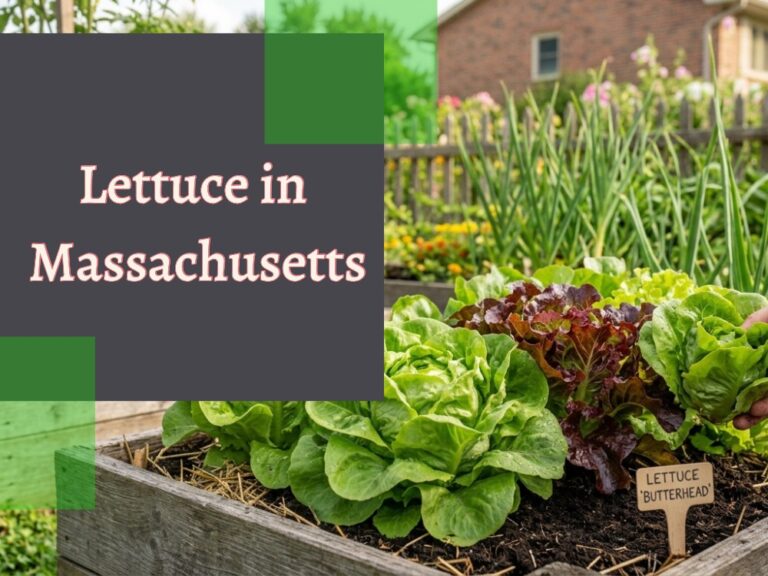
Lettuce is one of the easiest cool-season crops for Massachusetts gardeners to grow. It handles frost, matures quickly, and fits into both spring and fall planting windows without much fuss.
The catch is that timing varies more than most people realize. Your planting date shifts depending on the lettuce variety you choose, whether you start from seed or transplant, and which part of the state you garden in.
Massachusetts stretches across several USDA hardiness zones, which means frost arrives in the Berkshires weeks before it reaches Cape Cod. That difference ripples through every planting decision, lettuce included.
This guide walks through the best planting windows for each lettuce type, covers seed-starting and outdoor timing, and explains how to keep fresh greens coming from spring through fall.
- Massachusetts Hardiness Zones and Frost Dates
- When to Plant Lettuce in Massachusetts?
- When to Plant Lettuce Seeds in Massachusetts?
- When Can I Plant Lettuce Outside in Massachusetts?
- Succession Planting for a Continuous Harvest
- Does Wild Lettuce Grow in Massachusetts?
- Choosing the Right Planting Strategy for Your Massachusetts Garden
Massachusetts Hardiness Zones and Frost Dates
Massachusetts spans USDA zones 5b through 7a, according to the 2023 USDA Plant Hardiness Zone Map. That range creates a meaningful spread in frost dates from one end of the state to the other.
In western Massachusetts, the average last spring frost falls around mid-May, and the first fall frost typically arrives between late September and early October. Data from the Old Farmer’s Almanac, sourced from NOAA climate records, places Pittsfield’s first fall frost around October 1.
Eastern Massachusetts and the Greater Boston area see milder conditions. According to Garden.org frost data from NOAA, Boston’s last spring frost falls around mid-April, and the first fall frost does not arrive until early November.
Cape Cod sits in zones 7a and 7b, where frosts arrive even later. The zone 5 frost dates and growing season differ from the coast by several weeks, and those two main factors that affect planting time for any crop shape your entire lettuce schedule.
When to Plant Lettuce in Massachusetts?
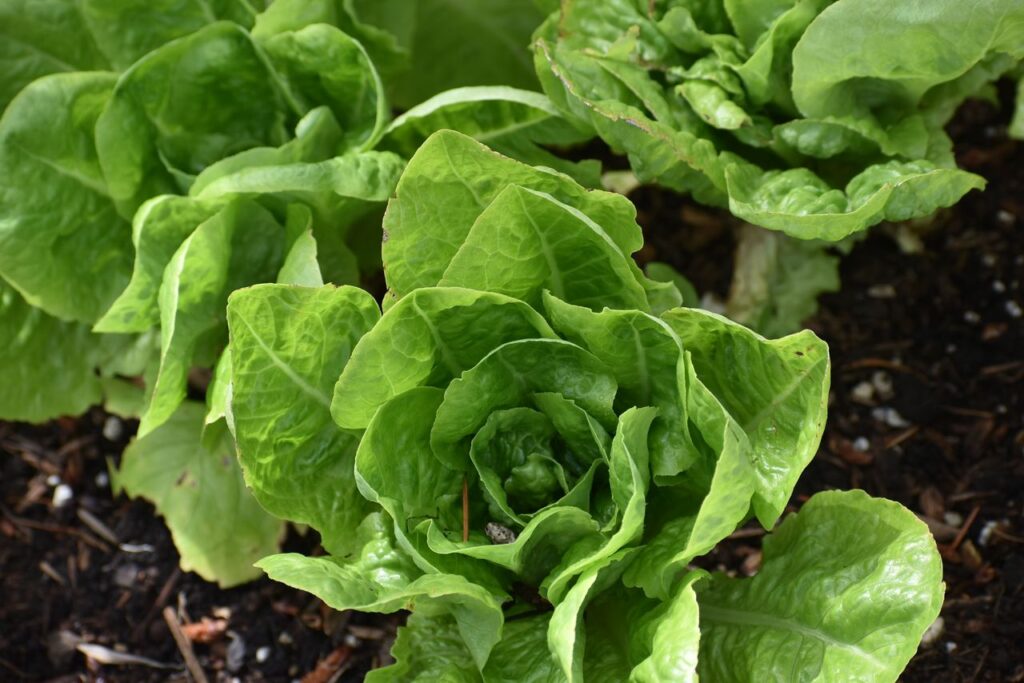
Lettuce can go into Massachusetts gardens as early as late March with frost protection, or more safely from mid-April through mid-May for spring harvests. A second window opens from mid-August through September for fall crops.
The exact week depends on the variety. Leaf lettuce handles cold better and matures faster, so it can go in earliest. Crisphead types need the longest season and the steadiest cool temperatures, making them the trickiest to time.
Understanding whether lettuce is an annual, biennial, or perennial helps explain its behavior. Lettuce is a true annual that completes its full growth cycle in one season, which is why getting the timing right matters so much.
Leaf Lettuce
Leaf lettuce varieties like red leaf, green leaf, and oak leaf are the most forgiving option for Massachusetts gardens. They tolerate colder soil, bounce back from light frosts, and reach harvest size faster than any other type.
According to the Farmer’s Almanac planting guide, leaf lettuce matures in roughly 30 to 45 days from transplant and 45 to 60 days from direct seeding. That short window means you can plant it earliest in spring and latest into fall without running out of growing time.
Seeds germinate in soil as cool as 40°F, based on research published by Mother Earth News citing USDA germination data. That means Massachusetts gardeners can direct sow lettuce seeds outdoors as early as late March in eastern areas, or early to mid-April in the western half of the state.
For fall planting, sow leaf lettuce seeds from mid-August through early September. The cooling temperatures actually improve flavor, and these varieties can keep producing until hard freezes shut the garden down.
Romaine Lettuce
Romaine needs a slightly longer runway than leaf types. Most romaine varieties take 60 to 75 days to reach full maturity from direct seeding, according to the University of Maryland Extension’s lettuce guide.
That longer timeline means spring-planted romaine should go in the ground by mid-April in eastern Massachusetts. Western growers should aim for late April to give the heads enough time to fill out before summer heat triggers bolting.
Romaine handles heat a bit better than butterhead or crisphead, but it still bolts when daytime temperatures stay above 75°F for several days in a row. Planning your sowing schedule so the heads mature before late June is the safest approach.
For a fall crop, sow romaine seeds in early to mid-August. That gives you a harvest window in October, when cooler nights bring out the best crispness and flavor in the leaves.
Butterhead and Bibb Lettuce
Butterhead varieties, including Bibb and Boston types, form soft, loose heads with a delicate texture. They prefer steady cool temperatures between 55°F and 65°F and react poorly to sudden heat spikes.
Clemson University’s Home and Garden Information Center notes that Bibb lettuce turns bitter quickly once temperatures climb above 75°F. That sensitivity makes timing critical in Massachusetts, where late spring can swing from cool to warm in a matter of days.
Plant butterhead transplants outdoors in mid to late April for spring harvests. You want the heads to reach maturity by early to mid-June at the latest, before the summer heat settles in.
Fall is actually the stronger season for butterhead in Massachusetts. Sow seeds indoors in late July, then transplant into the garden in mid-August for an October harvest during reliably cool weather.
Crisphead Lettuce
Crisphead lettuce, commonly called iceberg, is the hardest type to grow well in Massachusetts. It takes 70 to 90 days to form a tight head, according to Harvest to Table’s lettuce growing guide, and it has the lowest tolerance for warm temperatures.
That long maturity window creates a squeeze. Spring plantings often run into summer heat before the heads fully form. Fall plantings need to start early enough that the heads develop before hard freezes arrive.
Many Massachusetts gardeners skip spring crisphead entirely and reserve it for fall planting only. If you do want a spring crop, start seeds indoors in early March and transplant hardened seedlings outdoors by mid-April.
For fall crisphead, start seeds indoors in early July and transplant by mid-August. That schedule gives the heads roughly 75 to 85 days to mature before the first fall frost in most parts of the state.
When to Plant Lettuce Seeds in Massachusetts?
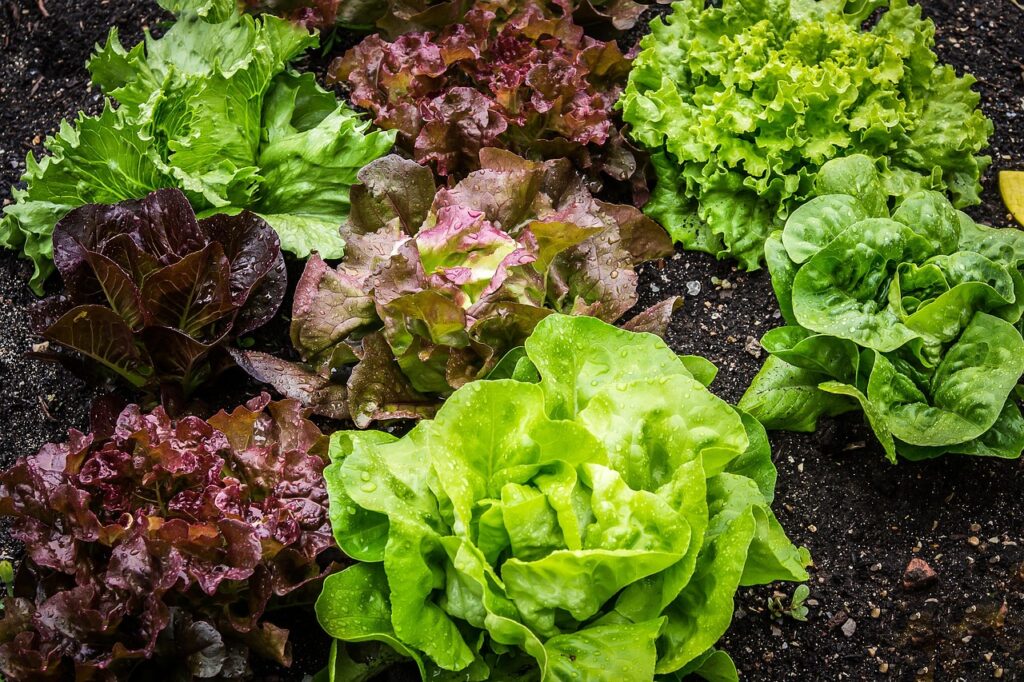
Starting lettuce from seed gives you control over timing and variety selection that buying transplants cannot match. Knowing when to sow lettuce seeds is the first step.
For indoor seed starting, sow seeds four to six weeks before your last expected spring frost. In eastern Massachusetts, that puts the indoor start date around early to mid-March. In western Massachusetts, where the last frost falls later, start indoors by late March to early April.
Lettuce seeds need light to germinate, so cover them with no more than a quarter inch of soil. According to Sustainable Market Farming, the optimal soil temperature for germination is 68°F, though seeds will sprout in soil as cool as 40°F. Cooler conditions just slow things down, with germination taking up to 15 days at 41°F compared to about three days at 68°F.
For direct sowing outdoors, you can scatter seeds as soon as the soil is workable and has warmed to at least 40°F. In most of Massachusetts, that falls between late March and mid-April. For fall crops, direct sow from mid-August through early September while soil temperatures are still in the favorable range.
If your growing season feels too short for outdoor sowing, you can also grow lettuce in a greenhouse to extend the window on both ends.
When Can I Plant Lettuce Outside in Massachusetts?
The outdoor planting window for lettuce in Massachusetts opens earlier than most people expect. Lettuce tolerates light frost down to about 28°F, which means it can survive outdoors well before the official last frost date.
For spring planting, you can move transplants or sow seeds outside as early as late March in sheltered eastern gardens. Using row covers or cold frames adds several degrees of frost protection and pushes that date even earlier. April is the more reliable month for most of the state, especially if you garden without season-extending tools.
Fall planting outdoors works well from mid-August through September. Seeds sown in August will mature before the first hard frost arrives. If you use row covers or a cold frame, you can stretch your fall harvest well into November, and in some cases even into early December on Cape Cod.
If you are curious whether lettuce can grow through the summer, the honest answer for Massachusetts is that most varieties bolt and turn bitter once July heat arrives. The outdoor sweet spots are spring and fall.
For comparison, the outdoor planting windows in North Carolina, Georgia, Texas, and Florida start earlier because their last frost dates fall sooner.
Succession Planting for a Continuous Harvest
Sowing all your lettuce seeds at once gives you a single burst of greens, followed by nothing. Succession planting solves that problem by spreading the harvest across weeks or even months.
The approach is simple. Sow a short row of lettuce seeds every two to three weeks, starting with your earliest safe outdoor planting date. Each new sowing reaches harvest size a few weeks after the one before it, giving you a rolling supply of fresh leaves.
In Massachusetts, succession planting works well from late March through late May for spring, then again from mid-August through mid-September for fall. The gap in between, roughly late June through late July, is the midsummer dead zone when heat causes bolting in almost every variety. Planning around that gap is key to understanding what early summer means for gardening.
If you want greens during the hot months, you can grow lettuce in a greenhouse or cold frame during winter in zone 5b areas, or switch to heat-tolerant alternatives like arugula or Swiss chard for the summer stretch.
Does Wild Lettuce Grow in Massachusetts?
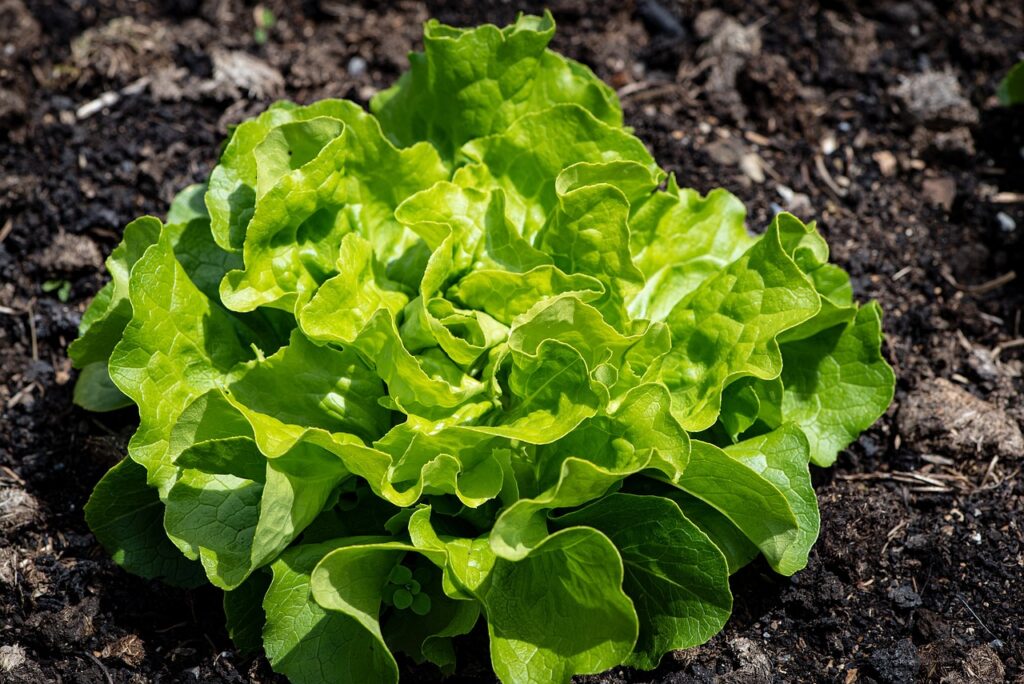
Yes, wild lettuce does grow in Massachusetts. The most common species found in the state is Lactuca serriola, also known as prickly lettuce. According to the Native Plant Trust’s Go Botany database, this species has been documented across Massachusetts in fields, roadsides, and disturbed areas.
Lactuca virosa, sometimes called bitter lettuce or opium lettuce, also appears in parts of the northeastern United States, though it is less common than prickly lettuce. Both species are originally from Europe and have spread widely across North America.
Wild lettuce is a completely different plant from the garden lettuce varieties covered in this guide. It grows tall, produces bitter milky sap, and is not typically cultivated for food. If you find it growing on your property, it is a weed, not a sign that your garden soil is good for growing salad greens.
Choosing the Right Planting Strategy for Your Massachusetts Garden
There is no single perfect week to plant lettuce in Massachusetts. Your ideal date depends on the variety you choose, whether you start from seed or transplant, and whether you are targeting a spring or fall harvest.
The good news is that Massachusetts actually offers two strong growing windows for lettuce. Spring planting from late March through mid-May covers the cool early season. Fall planting from mid-August through September takes advantage of dropping temperatures that improve both flavor and texture.
If you are new to growing greens, start with leaf lettuce. It forgives timing mistakes, matures fast, and works well as a spring planting project. You can plant it alongside other cool-season crops like the ones in your Massachusetts tomato planting schedule, staggering them so your garden stays productive from April through October.
Watch your soil moisture throughout the season. Lettuce has shallow roots and dries out quickly, so keep an eye out for signs your plants need water. Understanding the difference between wet and moist soil helps you water correctly without overdoing it.
Use the variety-specific timing from this guide to map out your season. Whether you plant leaf lettuce in late March or start crisphead indoors in early July for a fall crop, the key is matching your planting date to your variety’s needs and your region’s frost schedule. For growers in zone 5 areas of western Massachusetts, the zone 5 lettuce planting guide offers more targeted timing for your specific climate.