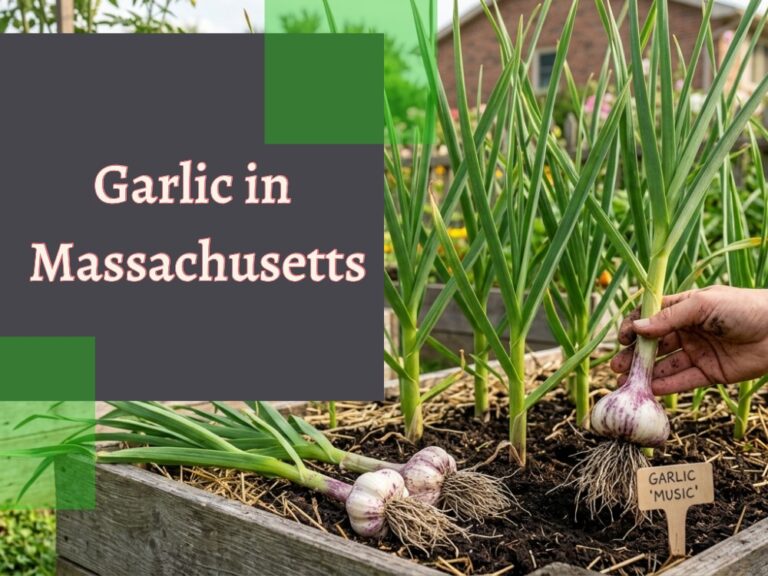
Garlic does something most vegetables never do. It goes into the ground in fall, sleeps through a New England winter, and then wakes up the following spring ready to grow into full-sized bulbs by midsummer.
That is exactly why fall planting is the standard approach for this crop. If you miss the fall window, you lose nearly a full year before you get another chance.
The tricky part for Massachusetts gardeners is that the state stretches across multiple USDA hardiness zones, from the cold Berkshire hills in the west all the way to the mild shoreline of Cape Cod. Frost arrives weeks earlier in Pittsfield than it does in Provincetown, and that gap changes exactly when you should be pushing cloves into the soil.
This guide breaks down the ideal garlic planting window for every major region in Massachusetts so you can time it right for your specific corner of the state.
When to Plant Garlic in Massachusetts?
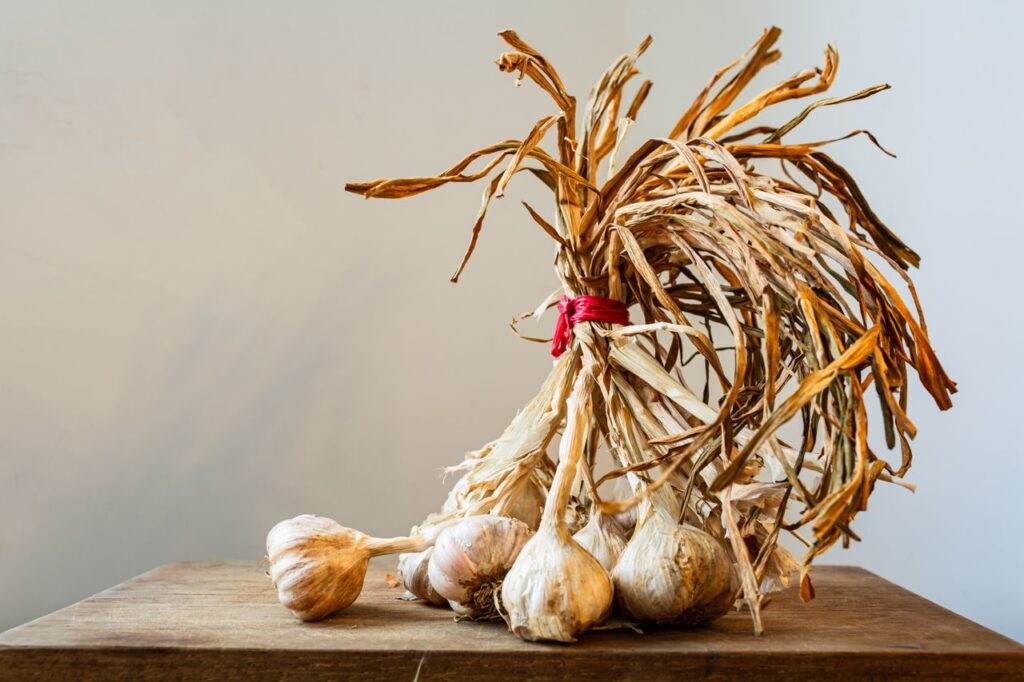
The short answer: plant garlic in Massachusetts between late September and mid-November, depending on your region. Like any garlic-growing region, the real target is getting cloves into the ground roughly four to six weeks before the soil freezes solid for winter.
According to the UMass Amherst Center for Agriculture, Food, and the Environment, garlic needs cold temperatures to trigger bulb formation. That cold exposure, called vernalization, is non-negotiable, and without it, the cloves never develop into proper multi-cloved heads.
Understanding whether garlic behaves as a perennial or annual helps explain why this cold period matters so much to the plant’s lifecycle.
Your goal is to give each clove enough time to push out a healthy root system before the freeze locks everything in place. Too early, and the shoots poke above the soil before winter, leaving them exposed to damage.
Too late, and the roots barely develop, which weakens the plant heading into spring. The two main factors that affect planting time for any crop, frost dates and soil temperature, apply directly here.
The New England Vegetable Management Guide published by UMass recommends planting from October in northern New England to early November in southern areas, aiming for six to eight weeks before the ground freezes. Massachusetts sits right in that range, but where you garden within the state shifts your ideal week by a meaningful margin.
Western Massachusetts (Berkshires) Planting Time
The Berkshires sit in USDA zones 5a and 5b, making this the coldest gardening region in the state. According to the 2023 USDA Plant Hardiness Zone Map, average annual minimum temperatures here drop between -20°F and -10°F.
Frost arrives early in the western hills. Data from the Old Farmer’s Almanac, sourced from NOAA climate records, puts the average first fall frost in Pittsfield around October 1 and North Adams around September 30.
Great Barrington follows a similar pattern, with a 50% frost probability by late September.
That early frost means Berkshire gardeners should aim to plant garlic in this zone 5 climate between mid-September and mid-October. Getting cloves in the ground by early October gives them four to six solid weeks of root development before the soil freezes, which typically happens by mid to late November in this region.
If you garden at higher elevations in the Berkshires, lean toward the earlier end of that window. Reviewing zone 5 frost dates and growing season length can help you pin down a more precise week for your specific elevation.
Central Massachusetts Planting Time
Central Massachusetts, including the Worcester area, falls primarily into USDA zone 5b. The climate here is noticeably milder than the Berkshires, though still firmly in hardneck garlic territory.
A 2022 report from Patch, citing Old Farmer’s Almanac data, places Worcester’s average first frost around October 14. That gives Central MA growers roughly two extra weeks compared to gardeners out in Pittsfield.
The ideal planting window for this region runs from early October through late October. Planting during the first or second week of October is a solid target.
Since garlic takes roughly eight to nine months to grow naturally from clove to finished bulb, that timing lines up well with the six-to-eight-week root-building guideline before the ground typically freezes here in early to mid-December.
Central MA also tends to hold more moisture in its clay-heavy soils than the sandier coastal areas further east. Knowing the difference between wet and moist soil matters here.
If your soil stays wet after rain for more than a day, consider planting in a raised bed. That keeps the garlic cloves from sitting in soggy ground all winter.
Eastern Massachusetts / Greater Boston Planting Time
Greater Boston and the surrounding eastern corridor sit in USDA zones 6a and 6b. The urban heat island effect in Boston proper, combined with proximity to the ocean, pushes frost dates later than most inland areas.
According to Garden.org frost data sourced from NOAA, Boston’s frost risk begins around October 29, and there is a 50% chance of hitting 32°F by approximately November 9. That is a full month later than the Berkshires.
Eastern Massachusetts growers can comfortably plant garlic from mid-October through early November. The last week of October is the sweet spot for most gardens in this part of the state.
You still get a strong root-building period before the ground locks up, which generally does not happen here until late December. Garlic planting fits naturally into the broader work of preparing your garden for winter in this region.
One thing to keep in mind: if you garden in a suburb further inland, like Framingham or Leominster, your frost dates will arrive a bit sooner than downtown Boston. Adjust by planting a week earlier than the coastal timeline suggests.
Cape Cod & Coastal Massachusetts Planting Time
Cape Cod and the nearby islands enjoy the mildest conditions in Massachusetts. The 2023 USDA map places most of the Cape in zones 7a and 7b, with average annual minimums ranging from 0°F to 10°F.
The ocean acts as a giant temperature buffer here. As a 2025 report from The Boston Globe noted, the South Coast and Cape typically do not see overnight temperatures drop to freezing until the first half of November.
A local Cape Cod garden center, Hyannis Country Garden, confirms that garlic planted in fall on the Cape is ready for harvest by late June or early July, slightly ahead of inland areas.
Cape Cod gardeners should plant garlic from late October through mid-November. Pushing into the first week of November is perfectly fine here.
The ground rarely freezes before January in most Cape locations, so cloves get a generous root-development window.
One caution: sandy Cape Cod soils drain fast. That is great for preventing rot, but it also means cloves can dry out if fall rainfall is light.
Watch for signs your plants need water once spring growth starts. Water the bed after planting if the soil feels dry a couple of inches below the surface.
How to Plant Garlic in Massachusetts?
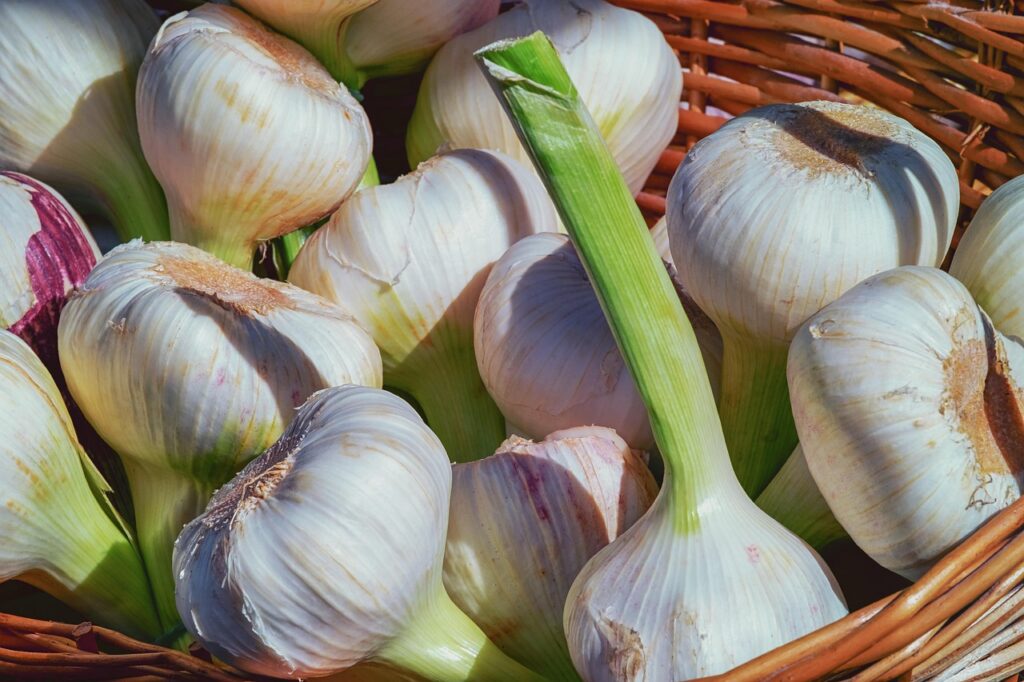
Once you have your timing locked in, the planting itself is straightforward. The UMass Extension recommends separating cloves from the bulb no more than a day or two before you plan to plant so they do not dry out.
Push each clove into the soil with the pointed end facing up and the flat root side facing down. Plant them about two to four inches deep and six to eight inches apart within the row.
Leave 12 to 18 inches between rows so each plant has room to develop without crowding its neighbor.
After planting, cover the bed with a layer of straw or leaf mulch. The UMass Extension suggests applying mulch once the ground begins to freeze, typically by mid to late November in most of the state.
A layer of three to six inches works well for Massachusetts conditions. Proper mulching is one of the simplest ways to keep your plants alive through harsh New England winters.
Here is a quick checklist for planting day:
- Separate cloves from the bulb one to two days before planting
- Place each clove pointed end up, two to four inches deep
- Space cloves six to eight inches apart in the row
- Mulch with three to six inches of straw after the ground starts freezing
- Water the bed lightly if the soil is dry at planting time
Hardneck varieties perform best in Massachusetts. They handle the cold winters well, produce larger cloves, and send up edible scapes in June that you can harvest and cook with before the bulbs finish maturing.
Is It Too Late to Plant Garlic in Massachusetts?
This question comes up every year, usually sometime around Thanksgiving. Some gardeners even wonder whether you can plant garlic in the summer instead.
The short answer is that you can still plant garlic later than the ideal fall window, but you will face trade-offs.
If you are planting in late November or even early December, the cloves have less time to grow roots before the ground freezes. That means weaker root systems heading into winter, which often leads to smaller bulbs at harvest.
The plants catch up somewhat in spring, but they rarely match the size of garlic planted at the right time.
According to the Cornell Cooperative Extension’s garlic guide, the real cutoff is when the ground freezes solid. As long as you can still push a trowel into the soil, you can still plant.
In eastern Massachusetts and Cape Cod, that cutoff can stretch into December most years.
If you do plant late, there are a few things you can do to give the cloves a better shot. Mulch heavily right after planting, since the insulation helps keep the soil workable a bit longer.
You should also choose the largest cloves from the bulb, because bigger cloves store more energy for root growth.
Spring planting is possible but rarely worth the effort in Massachusetts. Spring-planted garlic skips vernalization entirely, which means the bulbs form poorly or stay small.
If you do go this route, the harvest timeline for spring-planted garlic looks different from fall-planted crops. Fall planting is almost always the better path.
When to Harvest Garlic in Massachusetts?
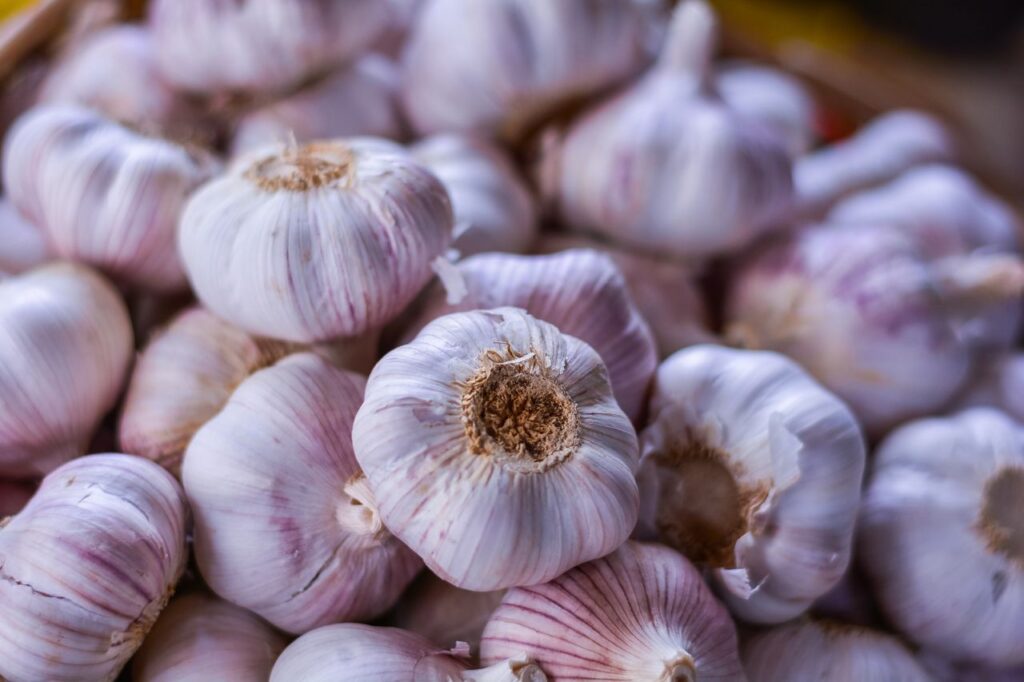
Garlic planted in the fall across Massachusetts is typically ready for harvest between late June and late July. That timeline shifts by a couple of weeks depending on your region and the specific growing season.
For comparison, growers in warmer states like Georgia, Florida, and Texas often harvest earlier because their growing seasons start sooner.
The UMass Extension notes that garlic is ready to dig when about half the leaves have died back, which usually happens in July for most Massachusetts growers. Each green leaf still on the plant corresponds to one wrapper layer on the bulb underground, so you want a few green leaves remaining to keep those protective layers intact.
Here are the signs that your garlic is ready to come out of the ground:
- The bottom three to four leaves have turned brown or yellow
- The upper leaves still show green color
- Scapes on hardneck varieties appeared roughly three to four weeks earlier
- The bulb feels firm and full when you brush soil away from one test plant
Cape Cod growers often harvest a week or two earlier than inland gardeners, sometimes by late June. Berkshire gardeners may not harvest until late July if the spring was cool.
Do not wait too long. If you leave garlic in the ground after the wrappers start splitting, the exposed cloves lose their storage life quickly.
Dig rather than pull, using a garden fork to loosen the soil and lift the bulbs gently. Beyond cooking, your harvest has garden uses too, since garlic can help control gnats in plants when used as a natural deterrent.
Why Your Massachusetts Region Decides Your Garlic Planting Date?
There is no single perfect date to plant garlic across Massachusetts. The state covers USDA zones 5a through 7b, and that range creates a planting window that stretches from mid-September in the Berkshires to mid-November on Cape Cod.
The core variable is when your specific ground freezes. Western Massachusetts gardeners who wait until November will likely miss their window entirely.
Cape Cod gardeners who rush to plant in late September are planting too early, risking premature shoot growth before winter. If you also garden in other states or want to compare timelines, the planting windows in Texas, Georgia, and Florida look very different from New England’s schedule.
Use your regional frost date as an anchor. Count backward four to six weeks from the typical ground-freeze date in your area, and that is your target week. If you are unsure, the Old Farmer’s Almanac frost date calculator lets you look up historical frost data by ZIP code using NOAA climate records.
The safest approach is to watch both the calendar and your actual weather. A warm October might let you delay by a week, and an early cold snap might push you to plant sooner.
Either way, getting cloves in the ground at the right time for your region is the single biggest factor in growing fat, well-wrapped garlic bulbs the following summer.
Explore More Garlic Growing Guides
Harvesting & Storing Garlic
| Full guide to harvesting and storing garlic | How to tell when garlic is ready to harvest |
| When to harvest garlic in Florida | When to harvest garlic in Texas |
| When to harvest garlic in Georgia | When to harvest fall-planted garlic |
| When to harvest spring-planted garlic | How long garlic takes to grow |
When & Where to Plant Garlic
| The best time to plant garlic in your area | How and when to plant garlic in the fall |
| When to plant garlic in Florida | When to plant garlic in Texas |
| When to plant garlic in Georgia | When to plant garlic in Massachusetts |
| When to plant garlic in Colorado | When to plant garlic in Zone 5 |
Growing & Garlic Basics
| How deep and far apart to plant garlic cloves | Five easy steps to plant garlic |
| Can you plant garlic in spring? | Can you plant garlic in spring in Texas? |
| Can you plant garlic in summer? | Is garlic a perennial or annual? |
| How to grow garlic in Alaska |