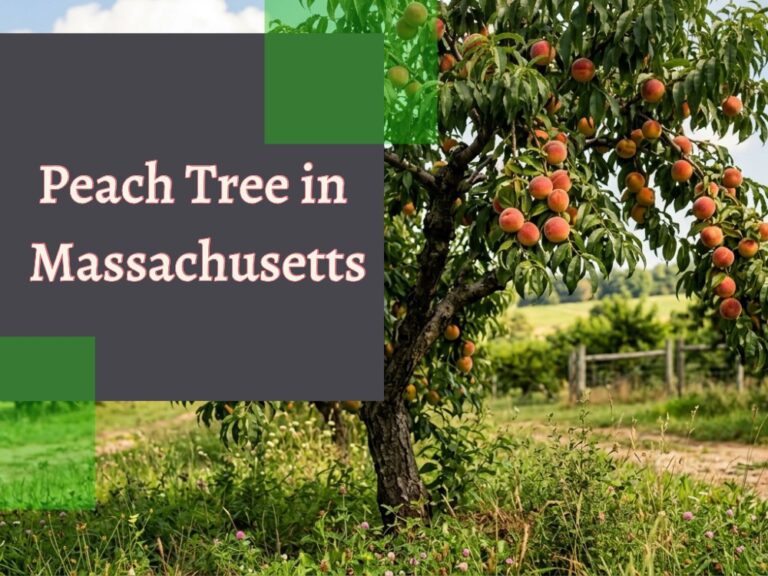
Massachusetts has a peach-growing tradition that goes back well over a century, yet most residents have no idea the state produces roughly 30,000 bushels of peaches and nectarines each year. That number comes from the Massachusetts Fruit Growers’ Association, and it surprises almost everyone who hears it.
Peach season here runs from roughly mid-July through mid-September, with August sitting at the center as the undisputed peak. But that window is not one flat stretch of identical fruit.
Different varieties ripen at different times, and that staggered schedule is what shapes the full season. An early-ripening Garnet Beauty in late July tastes and behaves differently from a late-season Cresthaven picked in September.
This guide breaks down peach season by variety, covers where to pick and buy, and walks growers through planting, pruning, and care. Whether you eat peaches or grow them, the timing details here will help you plan around the actual season rather than guessing.
- Do Peaches Grow in Massachusetts?
- When Is Peach Season in Massachusetts?
- When Do Peach Trees Bloom in Massachusetts?
- When Do Peaches Ripen in Massachusetts?
- When Is Peach Picking Season in Massachusetts?
- Where to Pick Peaches in Massachusetts?
- Where to Buy Peaches in Massachusetts?
- When to Plant a Peach Tree in Massachusetts?
- How to Care for Peach Trees in Massachusetts?
- When to Prune Peach Trees in Massachusetts?
- What Shapes a Great Massachusetts Peach Season?
Do Peaches Grow in Massachusetts?
Yes, peaches grow in Massachusetts and have for a very long time. The Connecticut River Valley, particularly the area around Springfield and the Pioneer Valley, is the heart of the state’s commercial peach production.
Southeastern Massachusetts, including parts of Bristol and Plymouth County, also supports peach orchards. According to a Boston Globe feature on the state’s peach industry, farms like Lookout Farm in South Natick grow nearly 60,000 fruit trees across 160 acres, with peaches making up a significant portion.
Massachusetts spans USDA hardiness zones 5b through 7a, and that range supports several cold-hardy peach cultivars. Varieties like Contender, Reliance, and Redhaven were specifically bred or selected for climates that experience harsh winters, making them well-suited to New England conditions.
Peaches are genuine summer fruit, and they thrive in the warm, humid growing conditions Massachusetts delivers from June through September. If you grow other warm-season crops like tomatoes or figs in your Massachusetts garden, peach trees fit right into that same seasonal rhythm.
When Is Peach Season in Massachusetts?
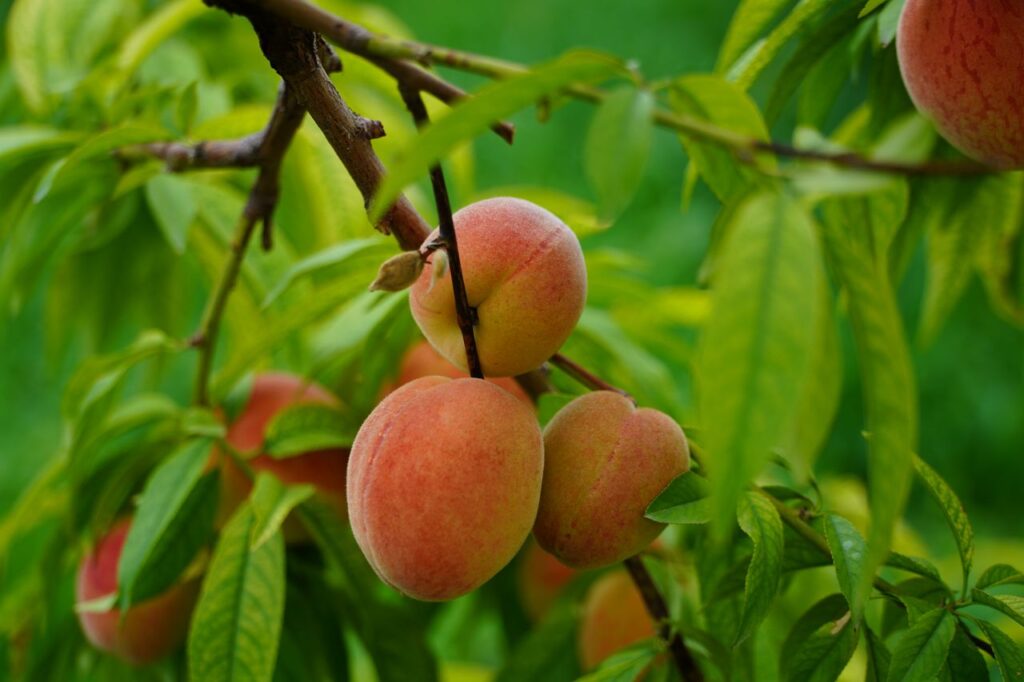
Peach season in Massachusetts generally runs from mid-July through mid-September. The peak falls squarely in August, when the largest number of varieties ripen at once and local farm stands carry the heaviest supply.
That season is not a single uniform block, though. It breaks into three distinct waves based on when different peach varieties reach maturity. Early varieties arrive in mid to late July, mid-season workhorses dominate August, and late varieties push the season into September.
The factors that shape planting and harvest timing for any crop apply here too. A warm spring pushes bloom earlier and can shift the entire harvest forward by a week. A cool, wet summer delays ripening and pushes everything back.
Early-Season Peach Varieties
The first Massachusetts peaches arrive in mid to late July. These early varieties open the season and give growers a head start before the August rush.
Garnet Beauty is one of the earliest peaches grown in New England. Fedco Seeds, a northern nursery, describes it as ripening about 12 days before Redhaven with good bud hardiness, even surviving a -20°F cold snap with full vigor. It produces medium-to-large yellow-fleshed fruit with excellent flavor.
Harrow Diamond is another early option that ripens in late July. It was bred specifically for cold climates at the Harrow Research Station in Ontario, Canada, and handles New England winters better than many southern varieties.
Keep in mind that early-season peaches have a shorter picking window. Once they hit peak ripeness, they soften quickly and need to be eaten or preserved within a few days.
Mid-Season Peach Varieties
August is when peach season in Massachusetts hits full stride. The mid-season varieties define the peak, and this is when you will find the widest selection at farm stands, farmers’ markets, and u-pick orchards.
Redhaven is the industry standard. The Massachusetts Fruit Growers’ Association lists it among the most commonly grown varieties in the state. It produces medium-sized freestone fruit with non-browning yellow flesh, and it ripens in early to mid-August.
Contender is the cold-hardiness champion. Cultivar Guide, a variety reference site, notes that Contender consistently outperforms other cold-hardy peaches in zone 5 trials. It is freestone, self-pollinating, and tolerant of late spring frosts, which makes it arguably the safest bet for Massachusetts growers.
Reliance, developed in New Hampshire in 1964, is another reliable mid-season choice. Canadian Harmony, which a Tougas Family Farm representative called her favorite Massachusetts peach in a Boston Globe interview, also ripens during this window.
Late-Season Peach Varieties
Late-season varieties extend peach season into September, giving Massachusetts growers and consumers one final harvest window before the orchards shift to apples.
Cresthaven ripens in early to mid-September. Utah State University Extension describes it as a medium-to-large freestone with bright red skin over a gold background and non-browning yellow flesh. It holds up well for canning and freezing.
Encore is another late option that pushes the season to its limits. These firmer, denser peaches store longer than early or mid-season fruit, which makes them popular for preserving.
If you want the longest possible peach season from your own trees, planting one early, one mid, and one late variety covers you from July through September. Just remember to space them properly, following peach tree spacing guidelines for healthy growth and airflow.
When Do Peach Trees Bloom in Massachusetts?
Peach trees in Massachusetts typically bloom between late April and mid-May. The exact timing depends on the variety, the winter’s chill hour accumulation, and how quickly spring temperatures climb.
Bloom timing matters because it sets the clock for the entire harvest. Fruit development from bloom to ripe peach takes roughly 90 to 150 days depending on variety, so a tree that blooms in early May will produce fruit in August or September.
The biggest threat to a Massachusetts peach crop is a late spring frost hitting open blossoms. According to the University of New Hampshire Extension, temperatures of -12°F to -14°F destroy most peach flower buds during winter, and even a lighter frost during bloom can wipe out an entire year’s fruit set.
Understanding how flower parts function helps explain why frost damage is so devastating. Once pollen-receiving structures freeze, the flower cannot set fruit, and peach trees only bloom once per season.
When Do Peaches Ripen in Massachusetts?
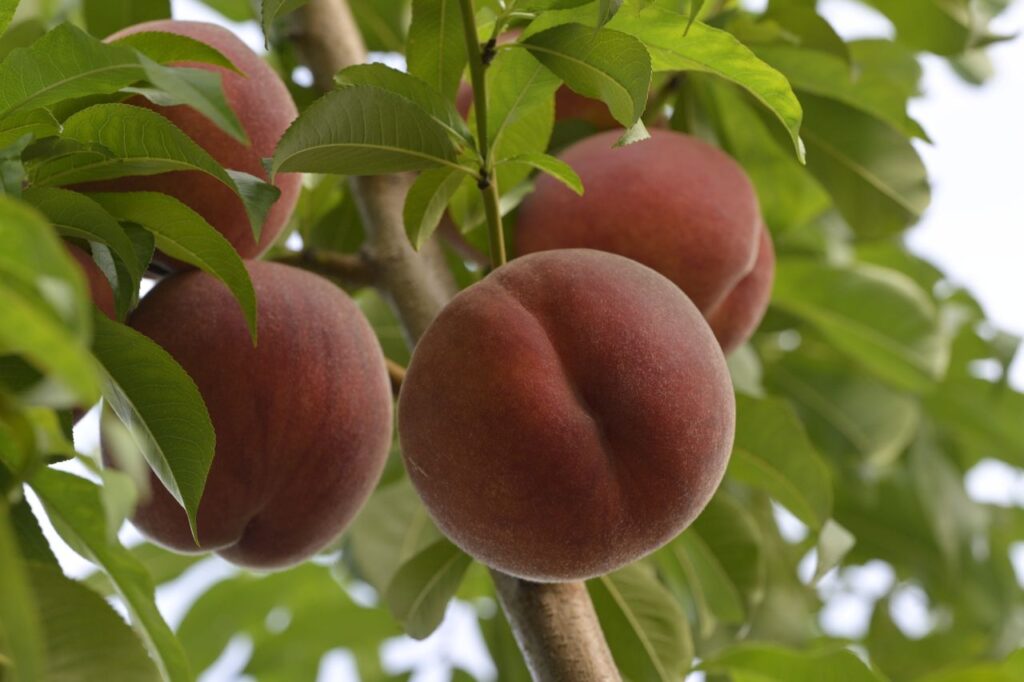
Calendar dates give you a rough target, but the tree itself tells you when the fruit is truly ready. Weather patterns can shift ripening by a week or more in either direction compared to the expected schedule.
The most reliable ripeness indicator is ground color. Look at the skin where it has not developed a red blush. When that background color shifts from green to yellow or cream, the peach is approaching ripeness.
A ripe peach also gives slightly when you press gently near the stem end. If it feels rock-hard, it needs more time. If it squishes easily, you waited a day too long.
Fragrance is another clue. A ripe peach smells like a peach even before you pick it. If you can catch the scent standing near the tree, the fruit is ready or very close.
The Massachusetts Fruit Growers’ Association notes that peaches should not be picked green, as they will not ripen properly off the tree. Wait for the color change, then harvest every two to three days since most varieties ripen unevenly across the tree.
When Is Peach Picking Season in Massachusetts?
U-pick peach season at Massachusetts orchards typically runs from late July through early September. Most farms open their peach fields in the last week of July and wrap up by the first or second week of September.
According to the Massachusetts Department of Agricultural Resources, over 20 farms across the state offer pick-your-own peaches. Cider Hill Farm, one of the larger operations, runs peach picking from late July to early September across five orchards with 20 varieties.
Peach picking windows at individual farms can be short. A variety might only be available for picking for seven to ten days before it passes peak ripeness. Always call ahead or check the farm’s website before driving out.
Here are a few practical tips for peach picking:
- Call the farm the morning of your visit to confirm availability
- Bring containers with flat bottoms so peaches do not stack and bruise
- Pick fruit that feels firm with a yellow or cream background color
- Eat or refrigerate your peaches within a few days of picking
- Wear comfortable shoes since many orchards involve walking on hills
Where to Pick Peaches in Massachusetts?
The heaviest concentration of peach orchards sits in the Connecticut River Valley, stretching through Hampshire, Hampden, and Franklin Counties. Farms in Worcester County and the Bristol/Plymouth County area also grow peaches commercially.
Eastern Massachusetts has several well-known peach operations closer to Boston, including farms in Middlesex and Essex Counties. Parlee Farms and Lookout Farm both offer pick-your-own peaches during August.
Rather than listing specific farms that may change their offerings year to year, check the Massachusetts Department of Agricultural Resources’ pick-your-own farm directory at mass.gov. The UMass Extension also maintains resources on Massachusetts fruit growers that can point you toward active orchards in your area.
Where to Buy Peaches in Massachusetts?
If picking your own is not your style, Massachusetts-grown peaches show up at farm stands, farmers’ markets, and some local grocery stores throughout August and into early September.
Buying during peak season in August gives you the freshest fruit with the best flavor. These peaches traveled a short distance from orchard to shelf, which means they were picked riper and closer to their actual peak than anything shipped from out of state.
Once peach season ends in mid-September, locally grown Massachusetts peaches disappear from the market entirely. Off-season peaches in grocery stores come from warmer states or international suppliers. For the best eating experience, stock up during August and freeze or preserve any surplus for later.
When to Plant a Peach Tree in Massachusetts?
If you want to grow your own peaches, bare-root trees should go in the ground in early spring. The University of New Hampshire Extension recommends planting as soon as the soil is workable, typically from mid-April through May in southern New England.
Container-grown peach trees offer more flexibility. You can plant them through late spring and into early summer, though earlier planting gives the roots more time to establish before the heat of July.
Site selection matters as much as timing. Choose a spot with full sun, good air drainage, and well-drained soil. The University of Connecticut Extension recommends a north-facing slope rather than south-facing for peaches, since north slopes warm more slowly in spring and delay bloom just enough to reduce late-frost damage to flowers.
Avoid low-lying areas where cold air pools on frosty nights. If you are interested in growing peach trees from seed, keep in mind that seed-grown trees take longer to produce fruit and may not replicate the parent variety. For comparison, peach planting timelines differ in Georgia, Florida, and Texas due to their warmer climates. You can also explore the best time to plant peach seeds for a broader overview.
If you prefer planting a peach tree in the fall, it is possible in the milder parts of Massachusetts but riskier than spring planting. Give the tree at least six weeks before the ground freezes to establish roots. Knowing when and how to transplant trees safely helps avoid common mistakes during this process.
How to Care for Peach Trees in Massachusetts?
Peach trees need consistent attention through the growing season. They are not a plant-and-forget crop, especially in a climate where humidity and cold create ongoing challenges.
Water deeply during dry spells, particularly while fruit is developing from June through August. Watch for signs your plants need water like wilting leaves or fruit that stops growing. Understanding how often to water prevents both drought stress and overwatering.
Fertilize in early spring before bloom with a balanced fertilizer like 10-10-10. The UMass Extension’s peach guide recommends spreading it evenly under the canopy. Avoid fertilizing within two months of the first fall frost, since late feeding encourages soft growth that will not harden off before winter.
Thin fruit when the peaches are marble-sized, roughly 45 days after bloom. Remove enough so that remaining fruit sits about six inches apart on each branch. Thinning feels wasteful, but it produces larger, sweeter peaches and prevents branches from snapping under excess weight.
Massachusetts’s humid summers make peach leaf curl and brown rot the two most common disease problems. Peach leaf curl can be prevented with a single dormant spray of copper fungicide applied before bud swell in late winter. Brown rot attacks ripening fruit directly and spreads fast in wet weather, so remove any infected fruit immediately.
If your tree’s leaves start turning yellow during the season, check for nutrient deficiencies, overwatering, or pest pressure before assuming the worst.
When to Prune Peach Trees in Massachusetts?
Prune peach trees in late winter to early spring, ideally in March while the tree is still dormant but approaching bud break. This timing gives you the best balance between avoiding winter damage to fresh cuts and catching the tree before it wastes energy on buds you plan to remove.
Virginia Tech’s pruning research warns that pruning too early in winter reduces the tree’s cold hardiness for about two weeks afterward. In Massachusetts, where January and February regularly bring severe cold, pruning before March exposes the tree to unnecessary risk.
Peach trees demand heavier pruning than most other fruit trees. They fruit exclusively on one-year-old wood, which means you need vigorous new growth every year to have a crop the following season. The UMass Extension recommends removing as much as one-third of the fruit wood annually.
Focus on removing dead, diseased, and crossing branches. Keep the tree in an open vase shape that allows sunlight and air to reach the interior. A compact, well-pruned tree also makes harvest easier and reduces disease pressure from poor airflow.
As you prepare your garden for winter each fall, hold off on the pruning shears. Wait until March and let the tree enter dormancy undisturbed.
What Shapes a Great Massachusetts Peach Season?
Peach season in Massachusetts is not random. It is the product of four variables interacting across the calendar: winter chill hours, spring frost timing, summer heat accumulation, and the specific variety planted.
Peach trees need a certain number of chill hours below 45°F during winter to break dormancy properly. Massachusetts delivers these easily, which is why dormancy is rarely a problem here. The real risk comes in spring, when a single late frost during bloom can erase an entire year’s crop.
Once the trees set fruit, summer heat drives ripening. A hot July and August push the harvest earlier. A cool, cloudy summer delays it. Understanding how environmental factors shape plant growth explains why peach season shifts by a week or two from year to year.
Whether you are picking at an orchard, buying at a farm stand, or harvesting from your own backyard tree, matching your plans to the actual variety-driven timeline gives you the best shot at enjoying Massachusetts peaches at their absolute peak. For growers in the coldest parts of the state, reviewing zone 5 frost dates helps anchor every decision from planting to pruning to harvest.