Many new gardeners in Springfield plant tomatoes or roses in April and watch a late frost wipe them out overnight. Others wait too long into the fall and lose their harvest before it even ripens. This timing mix-up is one of the most common reasons a garden fails in its first year.
The problem usually comes down to one simple thing: not knowing the exact growing zone for the area. Springfield sits in a spot where zone lines have shifted over the years, so old charts and hand-me-down advice from neighbors can be outdated. Without the right zone, even a well-meaning gardener ends up guessing.
That guesswork costs real money and time, especially once seeds, soil, and tools have already been bought. According to the USDA Plant Hardiness Zone Map, planting outside your zone’s safe window is one of the top reasons home gardens underperform or fail. A ruined harvest can mean starting over from scratch the following spring.
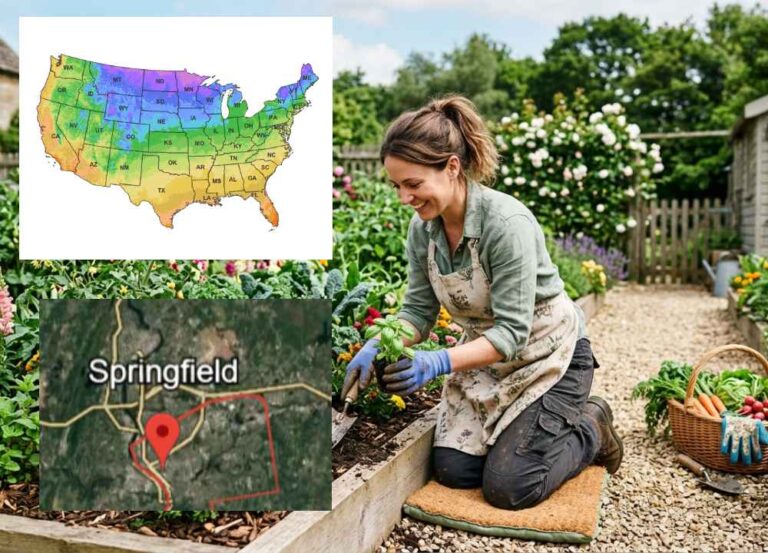
The fix is simple once you know what planting zone Springfield, MA, is actually in. Springfield falls in USDA hardiness zone 6b, based on the most recent USDA update. Knowing this one number tells you exactly when to plant, what to expect from winter cold, and which plants will actually survive here.
Gardening and Best Plants to Grow in Springfield, MA
Springfield’s zone 6b climate means warm, humid summers and cold winters that regularly dip below zero. This mix gives gardeners a solid growing season, usually from mid-May to early October, once the last frost has passed.
Anyone wondering what planting zone Springfield MA falls under should treat mid-May as the safe start date for tender plants. Waiting even one extra week after the average last frost date can save an entire batch of seedlings.
Soil in this part of Massachusetts tends to be rich and slightly acidic, which many popular garden plants actually prefer. Raised beds or amended soil work well here, especially in yards close to the Connecticut River, where drainage can be uneven.
Gardeners just outside city limits, or checking a nearby city like Boston, may find their zone differs slightly since Massachusetts spans zones 5b to 7a. Comparing your exact zone before buying plants at a nursery outside town is always worth the extra minute.
Vegetables That Grow Well in Springfield Gardens
Tomatoes, peppers, and cucumbers are reliable choices once the soil has warmed past 60 degrees. These crops need the full summer stretch that zone 6b provides, so starting seeds indoors in April gives them a head start.
Cool-season crops like lettuce, spinach, and peas do best with spring planting in early spring or again in late summer for a fall harvest. Springfield’s shoulder seasons are mild enough to grow two rounds of these vegetables in a single year.
Flowers and Perennials for Springfield Gardens
Perennials like hostas, daylilies, and black-eyed Susans handle Springfield winters without extra protection. These plants come back reliably year after year once they are established in the right spot.
Annual flowers such as marigolds and zinnias add color fast and bloom right through the summer heat. They also help keep pests away from nearby vegetable beds, which makes them useful as well as pretty.
Best Time to Plant in Springfield, MA
The safest window for most vegetables and annuals runs from mid-May through the third week of September. Anything planted outside that window risks damage from a surprise frost on either end of the season.
Knowing exactly when to plant makes it much easier to work backward from the first fall frost, which usually lands in early October. Starting from that date, gardeners can time their last outdoor plantings with far more confidence.
Frequently Asked Questions
What planting zone is Springfield, MA?
Springfield sits in USDA hardiness zone 6b. Some outlying neighborhoods may fall closer to 6a zone, so it helps to check your exact address on the USDA map.
When is the last frost date in Springfield?
The average last frost date is in early May, usually around May 10th. Wait until after this date to move tender seedlings outside.
What vegetables grow best in Springfield’s climate?
Tomatoes, peppers, beans, and lettuce all do well here. The long summer season gives most vegetables enough time to mature fully.
Can I grow fruit trees in zone 6b?
Yes, apples, pears, and peaches all handle Springfield winters fine. Choose varieties rated for zone 6 or colder to be safe.
How do I know my exact planting zone at home?
Enter your zip code on the USDA Plant Hardiness Zone Map website. It will show your specific zone down to the neighborhood level.