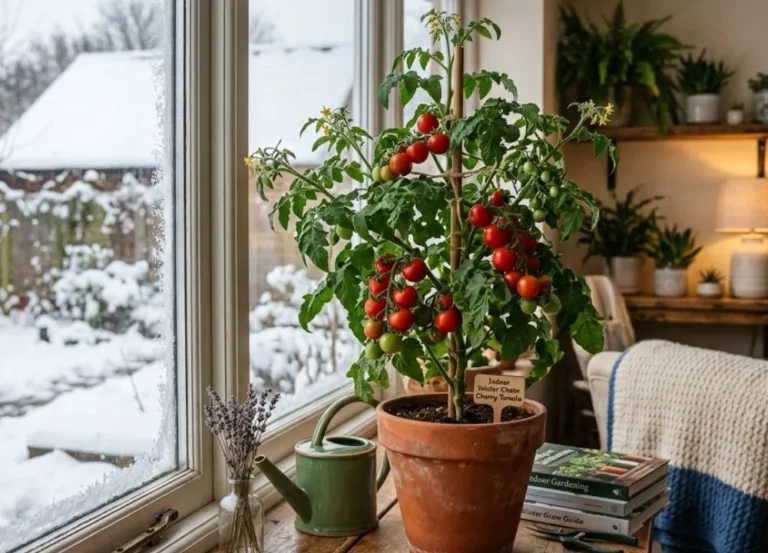
Snow piles up outside, the garden bed sits frozen and bare, yet the craving for a ripe, warm-from-the-vine tomato does not go away just because the calendar says January.
For anyone short on yard space, or living somewhere winters stretch on for months, that craving turns into a real question worth answering properly.
Tomatoes are sun-hungry plants built for long, hot summer days, which is exactly why winter feels like the wrong season to even try. Some gardeners even wonder whether tomato plants are annual or perennial by nature, since that answer shapes how you treat the plant once cold weather sets in.
Skip the attempt without understanding what the plant actually needs, and you end up with pale, floppy stems and flowers that drop before any fruit forms.
The good news is that none of this is out of reach. With the right light, warmth, and a bit of hands-on help, a kitchen counter or spare room can turn into a working winter tomato patch, and the rest of this guide shows exactly how, down to specific numbers rather than vague advice.
- Can You Grow Tomatoes Indoors in Winter?
- Growing With Natural Window Light
- Growing With Artificial Grow Lights
- Growing With a Hybrid Light Setup
- Choosing the Right Tomato Variety for Your Indoor Setup
- Hand-Pollinating Indoor Tomato Plants
- Watering, Temperature, and Humidity Care Indoors
- Common Problems When Growing Tomatoes Indoors in Winter
- What to Expect: Indoor Tomato Growing Timeline
- Why Indoor Winter Tomatoes Rarely Match a Summer Harvest, And Why That's Still Worth It
Can You Grow Tomatoes Indoors in Winter?
Yes, you can grow tomatoes indoors during winter, and plenty of home gardeners do it every year.
The plant does not care what season it is outside. It only cares whether it gets enough light, warmth, and a way to pollinate its flowers.
Indoors, that means at least eight hours of strong light each day, a room that stays between 65 and 80 degrees Fahrenheit, and someone stepping in to do the job bees would normally handle outside.
None of these conditions arrive naturally through a window in the dead of winter, which is why the setup matters far more than it would in June.
The sections ahead break down exactly how to supply each piece, starting with the simplest option: a bright window.
Growing With Natural Window Light
A south-facing window catches the most sun of any spot in a house, making it the natural first choice for anyone who wants to skip buying equipment.
During winter, though, that same window delivers far less than it promises.
Days are shorter, the sun sits lower in the sky, and its rays travel through more atmosphere before reaching the glass, which weakens their strength.
A tomato plant kept only on a windowsill in December might get four or five hours of usable light, well under the eight to ten hours it actually wants.
The result is usually a plant that survives but struggles to flower, let alone set fruit.
Window-only growing can still work in a few specific situations:
- You live somewhere with strong, consistent winter sun, like the desert Southwest.
- Your window faces south with nothing blocking the light, like trees or buildings.
- You mainly want a healthy plant, not a heavy harvest.
For most other homes, natural light alone will not carry a tomato plant through to a real crop, which is where grow lights come in.
Growing With Artificial Grow Lights
Grow lights remove winter’s biggest obstacle by giving a tomato plant however many hours of strong light it needs, regardless of what is happening outside.
Full-spectrum LED lights are the most common choice now, since they run cooler and last far longer than older fluorescent tubes.
For a typical indoor tomato plant, the light should sit six to twelve inches above the top leaves and stay close enough that the plant can actually use its intensity.
A rough intensity target is 200 to 400 micromoles of light per square meter per second, a number most grow light listings now print directly on the box.
Daily run time usually falls between fourteen and sixteen hours, followed by a solid stretch of full darkness so the plant can rest.
A cheap outlet timer takes the guesswork out of this and keeps the schedule consistent even on busy days.
Research from the University of Massachusetts Amherst Extension found that seedlings grown under proper artificial light developed noticeably stronger root systems than those raised near a window alone, which points to sturdier plants overall.
Growing With a Hybrid Light Setup
A hybrid setup places the plant near a bright window and adds a grow light to fill in whatever the sun cannot provide.
This approach often makes the most financial sense, since the window handles part of the workload and the artificial light only needs to top things off rather than do everything.
It also tends to produce sturdier, more evenly lit plants, since sunlight reaches the plant from one angle while the grow light corrects the imbalance from another.
A hybrid setup fits best when a household already has a strong south-facing window but still notices leggy growth or dropped flowers when relying on daylight alone.
It also suits growers who want to keep electricity costs down without giving up a serious harvest.
Choosing the Right Tomato Variety for Your Indoor Setup
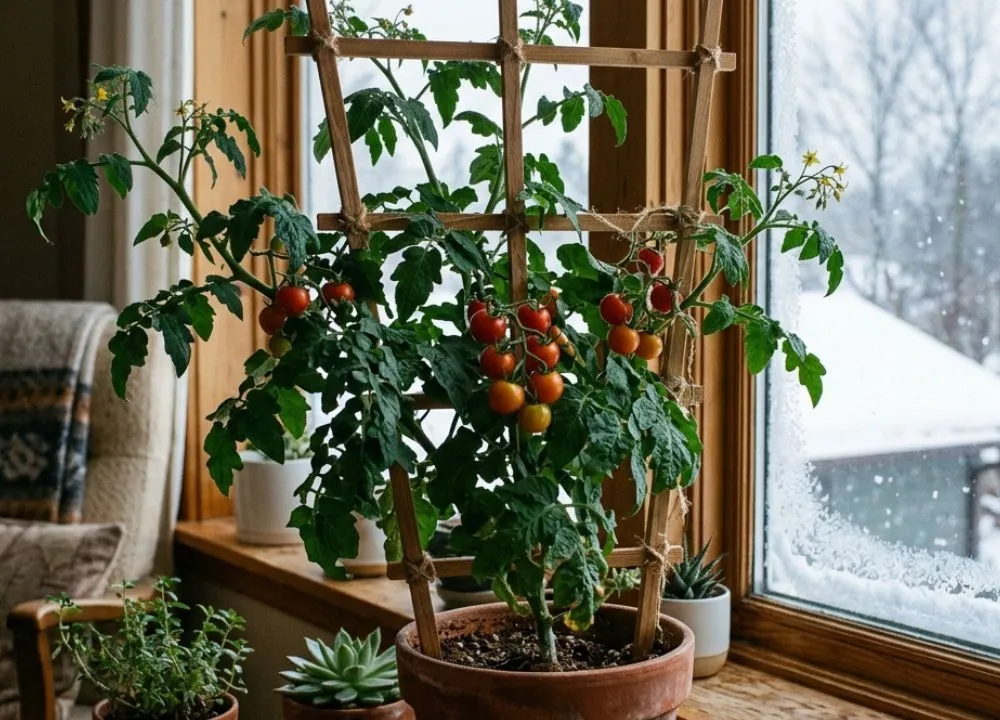
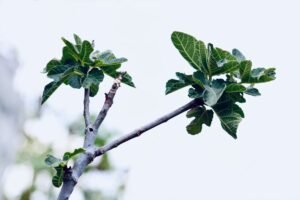
Not every tomato plant belongs indoors. Standard garden varieties can grow six feet tall and demand far more space and light than most rooms can offer, and it helps to know what a full-grown tomato plant typically looks like before deciding it will not fit your space.
Dwarf and patio varieties solve this by staying compact while still producing real fruit.
According to the University of Illinois Extension, dwarf tomato varieties were bred specifically for containers, hanging baskets, and other tight spaces, which makes them a natural match for indoor growing.
Better Varieties for Indoor Growth
- Micro Tom, one of the smallest tomato plants available, ideal for windowsills.
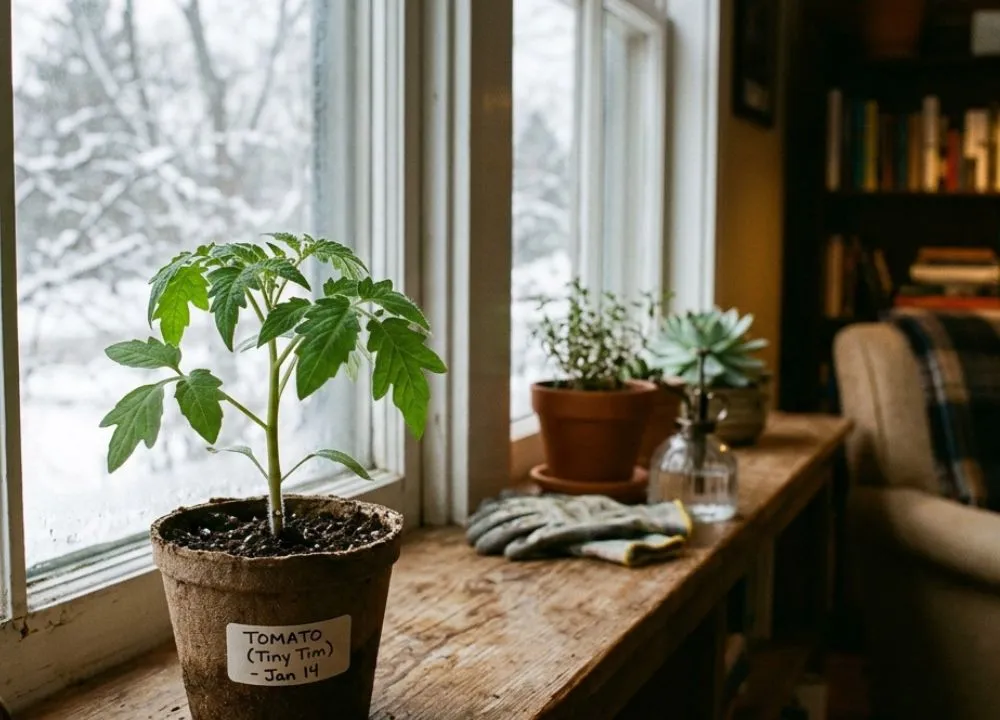
- Tiny Tim, a compact dwarf that produces steady clusters of cherry tomatoes.
- Patio Princess, a bushy type that stays short but yields full-sized cherry fruit.
- Red Robin, growing to about twelve inches, well suited to limited light.
If you are relying only on window light, lean toward the smallest varieties on this list. A hybrid or full grow light setup can support slightly larger, more productive plants.
Matching Pot Size to Plant Size
Container size matters more indoors than most beginners expect, since a cramped pot dries out fast and leaves the plant thirsty within hours.
Micro varieties like Micro Tom do fine in a one to two gallon pot, but almost everything else benefits from more room.
Extension advice from the University of Maryland notes that most tomato varieties need at least a five gallon container, with only true patio types managing in three gallons.
A bigger pot also holds a steadier reserve of water and nutrients, which lowers the odds of stress-related problems covered further down this guide.
Hand-Pollinating Indoor Tomato Plants
Outdoors, wind and bees carry pollen between tomato flowers without any help from the gardener.
Indoors, none of that happens, since there is no breeze moving through the room and no insects visiting the blooms.
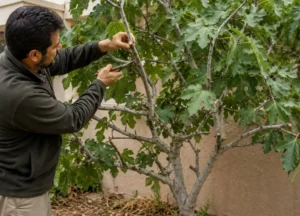
Tomato flowers are considered complete, meaning each one holds both male and female parts in the same bloom. A quick look at the basic parts of a flower and what each one does makes it easier to see exactly where pollen needs to travel.
A soft artist’s brush, an electric toothbrush, or even a light finger tap against the flower stem can do the job in seconds.
According to research summarized by Colorado State University Extension, tomato pollen transfers most easily in moderate humidity, since pollen that is too wet clumps together and pollen that is too dry fails to stick.
A simple routine works well here:
- Tap or brush each open flower once a day, ideally around midday.
- Do this for every flower cluster, not just the first ones to open.
- Watch for small green fruit forming within a week or two afterward.
Watering, Temperature, and Humidity Care Indoors
Once light and pollination are handled, day-to-day care becomes the thing keeping the plant alive and productive.
Indoor winter conditions differ from a summer garden bed in ways that catch new growers off guard, particularly around dry indoor air, steady heating, and soil that depletes nutrients faster in a closed container.
The factors below cover what a plant needs on a daily and weekly basis.
Watering Without Overdoing It
Check the top inch of soil before watering, and only water once it feels dry to the touch. If you notice the leaves curling or looking dull, it helps to compare them against the obvious signs a plant needs water before assuming the problem is something else.
Indoor pots dry out slower than garden soil, so daily watering often does more harm than good, and understanding how often you should water tomato plants indoors can save a plant from unnecessary stress.
Make sure every container has drainage holes, since tomatoes left sitting in wet soil are prone to root rot.
Keeping the Room at the Right Temperature
Tomatoes grow best indoors between 65 and 80 degrees Fahrenheit during the day, with a slightly cooler range at night.
A modest drop of five to ten degrees after dark actually helps the plant, since a small day-to-night swing supports stronger flower formation.
Avoid placing plants near drafty windows or heating vents, since both extremes stress the plant and slow fruit development.
Managing Dry Winter Air
Home heating systems pull moisture out of the air, often dropping indoor humidity well below what tomatoes prefer.
Aim for humidity between 40 and 50 percent, using a small humidifier or a pebble tray under the pot if the air feels too dry.
Feeding a Container-Grown Plant
A container plant runs through its available nutrients far faster than a plant rooted in open ground, since there is only so much soil to draw from.
Start with a balanced fertilizer, something close to a 10-10-10 or 5-5-5 blend, during the early growth stage.
Once the first small flower clusters appear, switch to a formula weighted more toward phosphorus and potassium, often labeled as a bloom booster, to push the plant toward fruit instead of more leaves.
Do not overlook calcium and magnesium. In a pot, roots cannot roam in search of these minerals the way they would in garden soil, and a shortfall in calcium specifically sets up one of the most common indoor problems, covered next.
Common Problems When Growing Tomatoes Indoors in Winter
Even with a solid setup, indoor winter tomatoes run into a handful of recurring issues.
Most of these trace back to insufficient light, low humidity, uneven watering, or the closed-in nature of an indoor space, and reviewing the common reasons houseplants struggle in their environment can help narrow down what’s actually going wrong.
Knowing what to look for early makes these problems much easier to fix before they cost you the harvest.
Leggy, Weak Stems
Tall, thin stems that lean toward a window usually mean the plant is stretching toward whatever light it can find.
Move the grow light closer, or extend the daily light schedule by an hour or two, to encourage shorter, sturdier growth.
Flowers That Never Turn Into Fruit
Flowers dropping off without producing fruit almost always points to missed pollination rather than a sick plant.
Increase how often you tap or brush the flowers, and double check that humidity has not drifted too high or too low.
Blossom End Rot on Developing Fruit
A flat, dark, leathery patch on the bottom of a young tomato is blossom end rot, and it traces back to calcium not reaching the fruit rather than any disease.
This usually happens when watering swings between bone dry and soaking wet, since calcium travels through the plant dissolved in water and an inconsistent supply interrupts that trip.
Keeping soil moisture even, choosing a larger container, and adding a calcium supplement to the feeding routine all help prevent it from recurring.
Yellowing or Overwatered Leaves
Soft, yellowing leaves often signal too much water rather than too little, and it’s worth comparing your plant against pictures of an overwatered tomato plant before changing your watering routine. If the color shift looks unrelated to watering at all, general reasons a plant turns yellow can point toward nutrient gaps or root stress instead.
Pests in a Sheltered, Dry Environment
Indoor conditions that lack natural predators let certain pests build up fast, especially in the dry air winter heating creates.
The Tiny Sap-Suckers Hiding on New Growth
Aphids cluster on tender new stems and the undersides of leaves, feeding on plant sap and weakening growth over time.
A strong spray of water, or a light coating of insecticidal soap, usually clears a small infestation within a week.
The Pale Insects That Scatter When Disturbed
Whiteflies flutter up in small clouds when a leaf gets brushed, and their populations can explode quickly in warm indoor air.
Yellow sticky traps placed near the plant catch adults before they multiply, and repeated soap treatments handle the rest.
The Soil-Dwelling Pest Most Growers Miss
Fungus gnats often go unnoticed until small flies start hovering near the soil surface, drawn in by consistently damp potting mix.
Letting the topsoil dry out between waterings, along with the steps in this guide on clearing fungus gnats from tomato plants, usually breaks the cycle within a couple of weeks.
What to Expect: Indoor Tomato Growing Timeline
Patience matters here, since indoor tomatoes move at their own pace regardless of how well the setup is dialed in.
From seed, expect roughly six to eight weeks before a plant is sturdy enough to start flowering, depending on the variety chosen, and even guidance on the best time to plant tomato seeds outdoors reflects a similar early growth window before flowering starts.
Once flowers appear and get pollinated, green fruit typically shows up within one to two weeks.
From there, ripening takes another four to six weeks, meaning a seed started in early winter often will not deliver ripe fruit until late winter or early spring.
Starting from an already-grown seedling shortens this whole timeline considerably, often cutting several weeks off the wait.
Why Indoor Winter Tomatoes Rarely Match a Summer Harvest, And Why That’s Still Worth It
Even in a well-run setup, indoor winter tomatoes usually fall short of what the same plant would produce outdoors in July, when established plants tend to produce fruit steadily all summer long under natural conditions.
Research from the University of Maryland Extension found that indoor growers following proper light and care routines still typically reach only 70 to 80 percent of an outdoor yield.
Weaker winter light, smaller growing space, and the extra labor of hand pollination and calcium management all chip away at the total harvest.
None of that erases the appeal, though. A single ripe tomato picked indoors in February carries a kind of satisfaction store shelves cannot replace, proof that a bit of light, warmth, and attention can outlast the season outside the window.