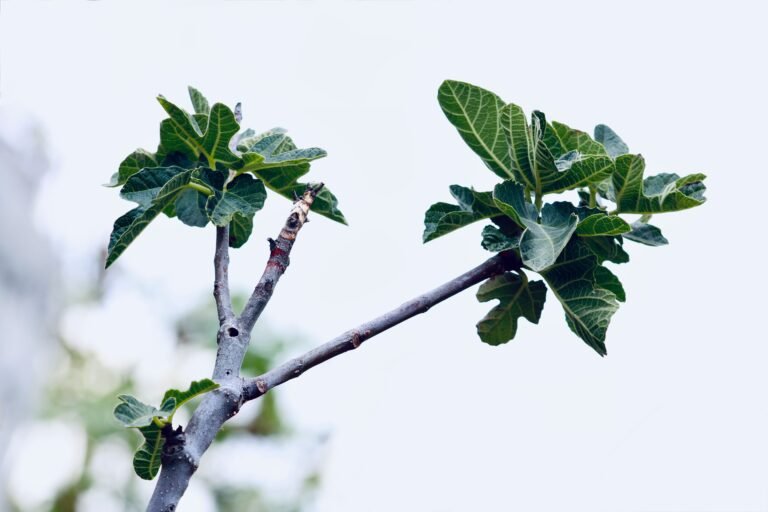
Fig trees look sturdy, but their wood tells a different story once temperatures drop. The trunk and branches carry sap close to the surface, and that makes them far more sensitive to hard freezes than most people expect.
This vulnerability traces back to where figs came from. They grow naturally in Mediterranean climates, where winters stay mild, and frost is rare.
Move that same tree into a place with real winters, and the risk becomes obvious. A single hard freeze can kill branches down to the ground, and in severe cases it takes the whole tree with it.
That is what protection actually solves. It is not one fixed method you memorize and repeat every year.
The right approach changes based on where your tree lives, how it is planted, and how cold your winters actually get. This guide walks through each situation so you can match the method to your tree.
How to Protect Fig Tree in Winter?
The short answer is this: you shield the tree’s wood and root system from freezing temperatures long enough for it to stay dormant and alive.
How you do that depends heavily on your setup. A fig growing in a pot on a patio faces a different threat than one planted directly in the ground.
Winter severity matters just as much. A gardener dealing with occasional light frost needs far less than someone facing weeks of temperatures below 10°F, and unlike deciduous trees built for that kind of cold, figs need real help getting through it.
Protecting Container-Grown Fig Trees in Winter
Potted figs actually have it easier than trees stuck in open ground. Their whole root system sits above the frost line, but that also means the roots freeze faster without help.
The standard move is to bring the pot indoors once the tree drops its leaves and goes dormant. An unheated garage, a basement, or a closed shed all work well.
You want the space cold enough to keep the tree asleep, but not so cold that the pot itself freezes solid. Somewhere between 20°F and 50°F usually does the job.
Skip anywhere warm and bright, like a heated living room. Warmth tricks the tree into breaking dormancy early, and it pushes out weak, pale growth that has no business existing in January.
Whatever storage space you pick, check on the pot every few weeks through the season rather than forgetting about it until spring.
Protecting In-Ground Fig Trees in Mild to Moderate Winters
If your winters dip into the 20s but rarely go much colder, your fig tree needs far less drama than you might assume. Mulch does most of the heavy lifting here.
Pile mulch four to six inches deep around the base of the tree, extending it out to the edge of the root zone. Straw, shredded leaves, or wood chips all insulate well.
This layer protects the roots, which matter more than the branches. Even if some upper wood dies back in a rough patch, a tree with healthy roots regrows from the base by spring.
For the trunk and lower branches, a simple wrap of burlap or frost cloth adds a second layer of defense. Wind it loosely rather than tight, since airflow still needs to reach the bark.
Gardeners in warmer fig states like Texas and Florida rarely need more than this, and fall planting timing matters more there than heavy winter gear.
Protecting In-Ground Fig Trees in Harsh Winters
Once your winters routinely drop below 10°F, mulch and a light wrap will not cut it. This is where growers turn to two heavier methods.
The first builds a full insulation cocoon around the tree. Wrap the branches into a tight bundle, surround them with a cage of chicken wire or hardware cloth, then pack the inside with straw or dry leaves.
Wrap the outside of that cage with burlap or a breathable frost fabric to keep moisture out. Extension programs across colder states consistently recommend treating young trees as one zone colder than their rating for the first two winters.
The second method is the bend-and-bury technique, sometimes called heeling in. Growers prune the tree, sever roots on one side to loosen it, then bend the whole trunk down into a trench and cover it with soil and mulch.
This sounds drastic, but it works because the ground itself insulates far better than open air ever could. Gardeners working in true zone 5 cold, or anyone testing whether Colorado winters allow figs at all, lean on this method most.
Should I Cover My Fig Tree in Winter?
Not every fig tree needs a winter coat. The answer depends on three things working together: your hardiness zone, the variety you planted, and how old the tree actually is.
Start with your zone. You can check your exact location on the USDA Plant Hardiness Zone Map, which shows average minimum winter temperatures down to the zip code.
Trees growing in zones 8 through 10 usually skip covering altogether, aside from young trees in their first winter or two. Zone 7 sits in a gray area, where covering becomes worthwhile during any real cold snap.
Anything colder than zone 7 makes covering close to mandatory for reliable survival. A grower in Denver faces a very different calculation than one along the coast.
Maturity matters just as much as zone or variety. A five-year-old fig with a deep, established root system shrugs off cold that would kill a tree planted six months earlier.
If your fig tree is newly planted, cover it even if the forecast looks borderline. Gardeners growing figs in Massachusetts or other transitional zones tend to need this extra caution most years.
How to Prepare Fig Tree for Winter?
Protection works far better when the tree is actually ready for it. Preparation starts weeks before the first hard freeze, not the night before a cold snap hits.
Begin cutting back on watering once fall arrives and growth slows down. Wet roots heading into freezing temperatures are far more prone to rot and cold damage than dry ones.
Light pruning helps too, though this is not the time for heavy cuts. If you’re already taking cuttings for propagation, late fall pruning is a natural point to do both at once.
Clear fallen leaves and debris from around the base before you mulch. Leaving that material in place traps moisture against the trunk and invites both rot and pests over winter.
Timing all of this around your first expected frost date keeps the tree from being caught off guard, the same way prepping the garden as a whole runs on a set schedule rather than guesswork.
How to Wrap a Fig Tree for Winter?
Wrapping is a specific technique, distinct from the fuller covering method used in harsher climates. It works best for smaller trees or moderate winters where a single insulating layer is enough.
Start by gathering the branches together gently and tying them into a loose bundle with soft twine. This reduces the tree’s surface area and makes the next steps far easier.
Wrap burlap or a breathable frost cloth around the bundled branches, working from the base up toward the tip. Overlap each layer by a few inches so there are no gaps for cold air to sneak through.
Avoid plastic sheeting directly against the bark. It traps moisture and can cause more rot damage than the cold itself would.
Secure the wrap with twine at a few points along its length, but keep it loose rather than cinched tight. Any healthy branches you trim off in the process are worth saving if you plan to propagate new trees come spring.
How to Cover a Fig Tree for Winter?
Covering goes a step further than wrapping, and it suits colder regions or larger trees that need more substantial insulation. The method centers on building a structure rather than just binding the branches.
Set up a simple frame around the tree using wooden stakes, a wire cage, or even stacked straw bales arranged in a circle. The frame should sit a few inches away from the branches on every side.
Fill the space between the frame and the tree with insulating material like straw, dry leaves, or shredded bark. This layer of trapped air does most of the actual protective work.
Close the top loosely, leaving a small gap for airflow so moisture doesn’t build up inside. Once the structure is finished, it should look more like a small hut than a tight wrap.
How to Over Winter Fig Trees?
Overwintering refers specifically to the full dormant storage process used for potted fig trees. It goes beyond a quick move indoors and covers the entire stretch until spring.
Once the tree drops its leaves and enters dormancy, move it into its winter storage spot. A cool garage, basement, or unheated shed all work, as long as temperatures stay reliably between 20°F and 50°F.
Keep the space dark or dim. Bright light during dormancy can confuse the tree into thinking spring has arrived, which pushes weak growth at exactly the wrong time.
Your watering schedule during this stretch should shrink dramatically. Check the soil roughly once a month, and only add water if it feels completely dry a couple inches down.
Overwatering during dormancy causes far more damage than underwatering does. Roots that sit in soggy soil with no active growth to absorb moisture are prone to rot.
How to Care for a Fig Tree in Winter?
Once your tree is wrapped, covered, or tucked away in storage, the work isn’t fully done. Ongoing checks through the season catch small problems before they turn into dead branches.
Peek under wraps or into covered structures every few weeks. You are checking for two things mainly: excess moisture buildup and any early signs of rot on the bark.
On unusually warm winter days, loosen coverings briefly to let fresh air circulate. Trapped humidity during a warm spell can do more harm than the cold itself.
Potted trees in storage need the occasional light watering, but in-ground covered trees rarely need any at all during true dormancy. Understanding the gap between moist soil and soaked soil helps here, since gardeners often overwater out of habit rather than actual need.
Reinforce any wrap or structure that shifts after a storm or heavy wind. A gap that opens mid-winter defeats the purpose of protecting the tree in the first place, and any yellowing you spot once growth resumes is worth investigating right away.
Getting Your Fig Tree Through to Spring
Every method covered here points toward the same outcome: a tree that survives dormancy with its roots and enough of its wood intact to leaf out again.
Container trees rely on indoor storage and controlled dormancy. In-ground trees lean on mulch and wraps in mild climates, or full cocoons and burial in harsher ones.
None of these methods is universally correct. The right choice comes down to your hardiness zone, your fig variety, and how established your tree already is.
Get that match right, and the basics of keeping it alive through the cold months carry your fig tree straight into a season ready for new growth and fruit.