Asking how often to water tomato plants in Texas is a bit like asking how far it is to drive across the state. The answer depends entirely on where you are standing.
Texas spans over 800 miles from east to west and covers USDA hardiness zones 6b through 10a. A gardener in humid Houston deals with completely different soil, rainfall, and heat patterns than someone growing tomatoes in bone-dry El Paso. Even within Central Texas, the soil shifts from sticky black clay in the Blackland Prairie to thin, rocky caliche in the Hill Country, sometimes just a few miles apart.
National watering advice falls flat here because it treats an entire state as one zone. In Texas, a single fixed rule does not even work across a single county. If you have been following generic guidelines and your tomato plants keep struggling, the problem is almost certainly that the advice was not built for your specific corner of the state.
This guide breaks down tomato watering by Texas region, soil type, and season, so you can match your routine to the conditions in your actual garden.
- How Often to Water Tomato Plants in Texas?
- How Much Water Do Tomatoes Need Texas?
- How Often Should You Water Tomatoes in Central Texas?
- How Often to Water Tomatoes in Texas?
- Adapting Your Watering Schedule to Texas Heat Waves and Drought
- How Texas Soil Types Change Your Tomato Watering Approach?
- What Makes Watering Tomatoes in Texas Unlike Any Other State?
How Often to Water Tomato Plants in Texas?
As a general starting point, most Texas tomato plants need one to two inches of water per week. The Texas A&M AgriLife Extension Service recommends watering deeply enough to wet the soil to a depth of six inches, then letting the surface dry slightly before the next session.
For most Texas gardeners, that translates to watering two to three times per week during the active growing season. But this baseline is just a departure point. Your region, soil type, and the current weather will push that number up or down significantly.
In practice, gardeners in arid West Texas may need to water every other day during the hottest stretches, while gardeners in East Texas with heavy clay soil might water only once a week during a rainy spring. The regional breakdowns below cover those differences in detail.
Watering in East Texas (Humid Subtropical Zone)
East Texas sits in a humid subtropical climate with higher average rainfall and heavier soils than the rest of the state. The combination of clay-rich ground and regular moisture means the soil holds water much longer here than in other Texas regions.
In most of East Texas, watering tomatoes once or twice a week is enough during a typical growing season. The clay soil acts like a sponge, retaining moisture at the root zone for days after a rain or a deep watering. According to soil experts, clay soils hold water so efficiently that a single inch of irrigation can moisten the ground down to about six inches.
That retention is a double-edged situation, though. Clay that holds water too long can suffocate roots and promote the kind of damage you see in overwatered tomato plants. Drainage problems are the biggest watering-related risk in East Texas, not drought. If your soil stays soggy more than a day after watering, consider planting in raised beds or mounding the soil to improve water movement.
During the East Texas spring and summer, when afternoon humidity regularly tops eighty percent, water in the morning to give foliage time to dry. Fungal pests and diseases thrive in warm, wet conditions, and East Texas provides those in abundance.
Watering in Central Texas
Central Texas, roughly the Austin and San Antonio corridor, presents one of the trickiest watering challenges in the state. The soil here is dominated by alkaline Blackland Prairie clay and limestone-heavy caliche, both of which behave in frustrating ways for gardeners.
Blackland Prairie soil covers over 12.6 million acres in Texas, according to research from the National Cooperative Soil Survey. This dark, heavy clay can exceed sixty percent clay content, making it one of the densest agricultural soils in the country. It absorbs water extremely slowly when dry, often letting irrigation run off the surface before it soaks in. When saturated, it holds water so tightly that roots can become waterlogged.
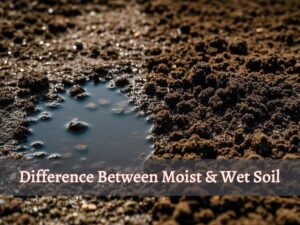
During summer, Central Texas regularly sees stretches above one hundred degrees. That heat dries the soil surface fast, but the clay underneath may still be damp. The surface cracks can fool you into thinking the entire root zone is dry when it is not. Understanding the difference between wet and moist soil is critical in this region because the surface and subsurface rarely match.
Water Central Texas tomatoes one to two times per week during normal conditions. Apply water slowly, either through drip irrigation or a low-flow hose, so the clay has time to absorb it rather than letting it run off. In the Hill Country west of Austin, where rocky caliche soil sits just inches below the surface, water may pool or run off even more quickly.
Watering in West Texas and the Panhandle (Arid and Semi-Arid Zones)
West Texas and the Panhandle are where watering demands spike the highest. Low humidity, constant wind, and intense sun create an evaporation rate that can drain soil moisture faster than many gardeners realize.
A document from Texas A&M AgriLife Extension’s Lubbock Research Center describes the Texas High Plains as hot, windy, and dry, with naturally fertile sandy loam and clay loam soils. While these soils are productive, the climate pulls moisture out of them relentlessly.
Plan to water tomato plants in West Texas every two to three days during the growing season, and potentially daily during heat waves above one hundred degrees. Wind is an underrated factor here. Even moderate winds of fifteen miles per hour increase evaporation from both the soil surface and the plant’s leaves, which means your tomato plant needs more water than the temperature alone would suggest.
Mulching heavily, at least three inches of organic mulch around each plant, is not optional in this region. It is a survival tool. Mulch slows surface evaporation, buffers soil temperature, and gives the roots a fighting chance to access water between applications.
Watering Along the Gulf Coast
The Texas Gulf Coast, from Corpus Christi to Houston and up to Beaumont, shares some traits with East Texas but adds its own complications. Humidity is high, rainfall is frequent, and the air holds plenty of moisture. However, the soils near the coast tend to be sandier than inland clay zones, and salt exposure from coastal air and groundwater adds another variable.
Sandy Gulf Coast soils drain faster than the Blackland Prairie clays further inland. Plan to water two to three times per week unless heavy rain has already saturated the ground. Checking whether the soil is properly moist rather than just damp on the surface helps you avoid both overwatering and underwatering in this humid zone.
Salt in the soil or irrigation water is a unique Gulf Coast problem. High sodium levels in the root zone reduce a tomato plant’s ability to absorb water even when moisture is present. If you notice wilting despite adequate watering, a basic soil test can reveal whether salt buildup is the issue. Flushing the soil with a deep, heavy watering occasionally helps push accumulated salts below the root zone.
How Much Water Do Tomatoes Need Texas?
Frequency tells you how often to water, but volume tells you whether each watering session is actually doing its job. Most Texas tomato plants need one to two inches of total water per week from all sources combined, including rain and irrigation.
The simplest way to track this is with a rain gauge placed near your tomato bed. After a rainstorm, check the gauge. If it collected three-quarters of an inch, you only need to supplement the remaining quarter to half inch for that week.
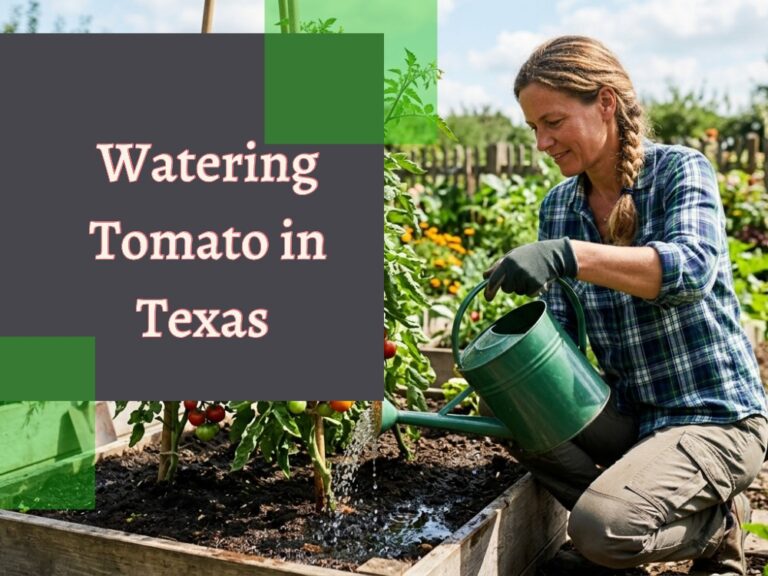
When you irrigate, water slowly and deeply. The goal is to push moisture six to eight inches into the soil, where the main root mass sits. A quick ten-minute sprinkle with a hose wets only the top inch or two and encourages shallow rooting, which makes plants more vulnerable to heat stress and drought.
During peak summer, when Texas temperatures regularly push past ninety-five degrees, many plants need closer to two inches per week. Fruiting tomatoes are especially thirsty. Once heavy fruit production begins, water demand can jump noticeably compared to the earlier vegetative growth stage.
How Often Should You Water Tomatoes in Central Texas?
Central Texas gets its own focused section because it is the most commonly searched region, and the growing conditions here frustrate more gardeners than almost anywhere else in the state.
Summer in the Austin to San Antonio corridor routinely delivers multi-week stretches above one hundred degrees. During these heat waves, tomato plants face compounding stress: extreme surface evaporation, high daytime transpiration through the leaves, and soil that cracks on top while still holding moisture below.
Water two to three times per week during typical summer conditions. During extended heat spells above one hundred degrees, bump that to every other day. Always check the soil at a depth of two to three inches before watering. If the clay is still damp at that depth, hold off even if the surface looks bone dry and cracked.
Central Texas also faces periodic drought restrictions that limit when and how much you can irrigate. Drip irrigation systems are usually exempt from municipal watering schedules, which makes them the best option for tomato growers who need to plan their planting around Texas conditions. Drip delivers water directly to the root zone with minimal waste, which matters when your city limits outdoor watering to twice a week.
If you are wondering whether it is too late to start tomatoes in your zone, keep in mind that fall tomatoes are a strong option in Central Texas, and fall watering demands are typically lower than midsummer.
How Often to Water Tomatoes in Texas?
Here is a quick-reference cheat sheet by region:
- East Texas (clay soil, humid): once to twice per week
- Central Texas (clay or caliche): two to three times per week
- West Texas and Panhandle (arid, windy): every two to three days
- Gulf Coast (sandy, humid): two to three times per week
- Containers statewide: daily during summer, twice daily in extreme heat
These are baselines. Always check soil moisture before reaching for the hose.
Adapting Your Watering Schedule to Texas Heat Waves and Drought
When Texas temperatures break one hundred degrees for days on end, normal watering schedules stop working. Plants lose water through their leaves faster than roots can replace it, even in well-watered soil. The visible signs that your plants need water show up quickly during these stretches, so daily monitoring becomes essential.
During a heat wave, shift to watering every other day at minimum. Water early in the morning, before seven o’clock, so the root zone is charged before the heat peaks. Adding a thick layer of mulch around plants helps the soil retain what you give it, similar to the approach used for watering grass in Texas heat.
If your city imposes drought restrictions, prioritize drip irrigation over sprinklers. Most Texas municipalities exempt drip systems from outdoor watering limits because they deliver water so efficiently. Hand watering at the base of each plant is another option that usually remains unrestricted.
During severe drought, consider sacrificing some fruit production to keep the plant alive. Reducing fruit load by pruning a portion of developing tomatoes lowers the plant’s overall water demand and helps it survive until conditions improve.
How Texas Soil Types Change Your Tomato Watering Approach?
Texas soil varies so dramatically across the state that your zip code alone can tell you more about watering needs than any generic chart.
Black Clay (Blackland Prairie)
This dense, sticky clay dominates the corridor from Dallas through Austin to San Antonio. It absorbs water slowly, holds it tightly, and cracks dramatically when dry. Water slowly and infrequently. Let the top two inches dry between sessions. Raised beds improve drainage significantly in this soil.
The biggest risk in Blackland Prairie clay is overwatering. The soil retains so much moisture below the cracked surface that root rot and stem damage can set in before you realize the subsurface is still saturated. If you spot yellowing leaves on your tomato plants, overwatering in heavy clay is one of the first things to investigate.
Sandy Loam (East Texas and Parts of the Gulf Coast)
Lighter soils that drain faster and warm up earlier in spring. Water more frequently but in smaller amounts. These soils benefit enormously from added compost, which boosts water retention without creating drainage problems. Storing your potting soil and amendments in a dry, covered location keeps them ready for bed preparation.
Caliche and Limestone (Hill Country)
Thin, rocky soil over a hard limestone layer. Water runs off easily, and roots cannot penetrate deeply. Raised beds filled with imported garden soil are the most reliable approach here. Water frequently in smaller doses to keep the shallow root zone moist.
Red Clay (Parts of North Texas)
Similar to Blackland clay but with different mineral content, this soil is common in parts of the North Texas and Fort Worth region. It drains slightly better than black clay but still holds moisture for extended periods. Water once or twice a week, and watch for pooling after rain. If you overdo it, knowing how to save an overwatered tomato plant can mean the difference between losing the plant and recovering it.
What Makes Watering Tomatoes in Texas Unlike Any Other State?
Texas combines several extremes that, taken together, make it one of the hardest states in the country for consistent tomato watering.
The regional climate diversity is staggering. Few states ask gardeners to choose between humid subtropical conditions in one corner and true desert in another. That range means no single piece of statewide advice can possibly apply everywhere, from the South Texas border region to the northern Panhandle.
The soil variation compounds the problem. From the heaviest black clays in the nation to fast-draining coastal sands, Texas gardeners face wildly different ground within the same state. Whether your tomato plants are annual or perennial in practice depends partly on your zone, but how you water them depends almost entirely on the soil beneath your feet.
The heat intensity is relentless. Multi-week stretches above one hundred degrees are not rare events in Texas. They are a predictable part of most summers, and they push water demand well beyond what national averages assume. Recognizing what underwatered tomatoes look like versus what heat stress looks like is a skill every Texas grower needs to develop.
If you take one thing from this guide, let it be this: know your region, know your soil, and check before you water. If you are also gardening beyond tomatoes, resources on when to plant lettuce in Texas, the best fruit trees for Texas, and when to plant garlic in Texas can help you coordinate your entire garden’s water plan. The gardener who watches their own plot closely will always outperform the one following a generic rule written for somewhere else.