Growing tomatoes in Florida sounds like it should be simple. The sun never stops, the growing season stretches longer than almost any other state, and the soil warms up fast enough to get transplants in the ground while northern gardeners are still shoveling snow.
But anyone who has actually tried to keep a tomato plant thriving here knows the reality is far messier. Florida’s mix of punishing heat, thick humidity, sudden afternoon storms, and sandy ground that holds almost no moisture turns basic watering into a daily guessing game.
The standard advice floating around the internet, water once a week and give about an inch, falls apart the moment you apply it to Florida conditions. If you water too little, the sandy soil dries out within hours and your plants wilt before lunch. If you water too much during the humid months, you invite root rot, fungal diseases, and a cascade of problems that spread fast in warm, wet soil.
This guide explains exactly how often to water tomato plants in Florida, broken down by season, soil type, and growth stage, so you can stop relying on generic advice and start watering in a way that matches where you actually garden.
- How Often to Water Tomato Plants in Florida?
- Should I Water Tomatoes Every Day in Florida?
- How Often to Water Tomatoes in Florida?
- Signs Your Tomato Plants in Florida Need More (or Less) Water
- Best Time of Day to Water Tomatoes in Florida
- Why Florida's Climate Makes Tomato Watering Different From Other States?
How Often to Water Tomato Plants in Florida?
There is no single number that works for every Florida gardener. The right frequency depends on the season you are growing in, the condition of your soil, and how far along your plants are in their growth cycle.
As a starting point, most Florida tomato plants need water two to four times per week during the main growing season. According to the University of Florida’s Institute of Food and Agricultural Sciences (UF/IFAS), tomatoes generally need one to two inches of water per week, with deeper soakings preferred over frequent light sprinkles.
But that baseline shifts constantly in Florida. During the dry season, you may need to water every other day. During the wet season, you might go several days without touching the hose. The sections below break down each scenario so you can adjust your watering routine with confidence.
Watering During Florida’s Dry Season (October to May)
Florida’s dry season runs roughly from October through May, and this is the stretch that catches many gardeners off guard. Rainfall drops sharply during these months. Data from the Southwest Florida Water Management District shows that average dry-season rainfall sits at around three inches per month, compared to seven inches or more during the wet season.
That steep drop means your tomato plants lose their biggest free water source just when the growing season is in full swing. Central and South Florida growers plant tomatoes between fall and early spring, so the bulk of the crop’s life coincides with the driest months of the year.
Sandy soil makes this worse. Florida’s native soil drains so quickly that whatever moisture you add can vanish within hours. A study published in the journal Scientia Horticulturae, conducted on Florida’s sandy agricultural soils, found that these soils hold roughly six percent available water, one of the lowest retention rates for any major farming region in the country.
During the dry season, plan to water your tomato plants every two to three days. Water deeply each time, pushing moisture down at least six inches into the soil rather than wetting just the surface. Shallow watering encourages shallow roots, and shallow roots in fast-draining sand leave your plants vulnerable to heat stress.
Watering During Florida’s Wet Season (June to September)
Florida’s wet season flips the script. From June through September, daily afternoon thunderstorms roll through much of the state, often dumping heavy rain in short bursts. According to the Florida Climate Center at Florida State University, more than fifty percent of the state’s annual rainfall lands within these four months.
This natural deluge tempts many gardeners to put the hose away entirely. That is a mistake. Afternoon storms are wildly uneven. One side of your neighborhood might get drenched while the other stays dry. And even when rain hits your garden, it often comes as a fast, heavy burst that runs off sandy ground before the root zone absorbs enough.
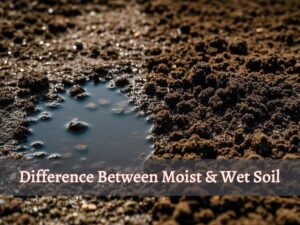
During the wet season, check soil moisture before watering rather than following a set schedule. Push your finger two to three inches into the soil near the base of the plant. If it feels dry at that depth, water. If it still feels damp, hold off. Understanding the difference between wet and moist soil matters here because Florida’s humid air can make the surface feel damp while the root zone is already dry.
On weeks where storms skip your area or temperatures spike above ninety-five degrees, you may still need to water every two to three days. The question of whether you can grow tomatoes in Florida during summer comes up often, and the answer is yes, but only if you stay on top of moisture levels through the unpredictable wet season.
Adjusting for Florida’s Sandy vs. Amended Soil
Florida sits on some of the fastest-draining soil in the country. The native sand particles are large, with wide gaps between them, and they hold almost zero moisture or nutrients near the root zone. Research from UF/IFAS confirms that Florida’s sandy soils have extremely low water and nutrient retention, which is why the state’s commercial tomato growers rely heavily on drip irrigation and plastic mulch systems.
If you are growing in unamended native sand, expect to water more frequently than any general guideline suggests. Three to four times per week is common, and during peak summer heat, daily watering may be needed for container plants or freshly transplanted seedlings.
Adding organic matter changes the equation significantly. Mixing two to three inches of compost into your beds before planting improves water retention, reduces how quickly the soil dries, and gives roots a better chance to access moisture between waterings. Knowing how to store potting soil and amendments properly helps you keep a ready supply on hand for bed preparation. With well-amended soil, you can often stretch your watering intervals to every two or three days during the dry season.
Mulching around the base of your plants with two to three inches of organic mulch also cuts surface evaporation and keeps the root zone cooler. This single step can reduce your watering needs noticeably, especially during spring when temperatures climb but afternoon rain has not yet returned. If you want to store bulk garden soil for ongoing bed improvements, keeping it covered and dry preserves its quality between uses.
Should I Water Tomatoes Every Day in Florida?
Daily watering is sometimes needed in Florida, but it is not the default. Watering every single day without thinking about conditions leads to overwatering just as often as it prevents drought stress.
You should water daily in these situations: container-grown tomatoes during summer, freshly transplanted seedlings during their first week or two in the ground, and any time outdoor temperatures stay above ninety-five degrees for several consecutive days. Container soil dries out much faster than ground soil because the pot walls heat up and there is less volume to hold moisture.
You should not water daily when the soil is still damp at the two-inch depth, during or right after a heavy rainstorm, or when humidity is extremely high and the air itself is holding moisture. If you overwater a tomato plant in Florida’s humid conditions, you create a perfect environment for fungal diseases like early blight and root rot, which spread aggressively in warm, wet soil.
The simplest rule: check before you water. The finger test takes ten seconds and prevents both underwatering and overwatering far better than any fixed schedule ever could.
How Often to Water Tomatoes in Florida?
Here is a quick-reference summary you can bookmark:
- Dry season, sandy soil: water every two to three days, deeply
- Dry season, amended soil: water every three to four days
- Wet season with regular rain: check soil, water only when dry at two-inch depth
- Wet season during rain gaps or heat spikes: every two to three days
- Containers in summer: water daily, sometimes twice on the hottest days
- New transplants: water daily for the first seven to ten days
Keep in mind that these are starting points. Your specific plot, its exposure to wind, shade from nearby structures, and proximity to pavement all affect how fast the soil dries. Observe your plants closely and adjust week by week rather than locking into a rigid schedule.
Signs Your Tomato Plants in Florida Need More (or Less) Water
Florida’s heat and humidity make it harder to read your plants because some symptoms of underwatering and overwatering overlap. Knowing what to look for in Florida’s specific climate saves you from guessing.
When Your Plants Need More Water?
Wilting in the morning is the clearest sign of underwatering. Afternoon wilting in Florida is often just heat stress, and many healthy plants will droop slightly on a ninety-degree day only to perk back up by evening. But if your tomato leaves are still droopy at sunrise, the roots are not getting enough moisture.
Dry, powdery soil around the base of the plant is another obvious cue. In sandy Florida ground, you will not see the deep cracks that form in clay soil, but the surface will look pale and feel gritty when bone dry. Recognizing the visible signs your plant needs water early gives you time to act before real damage sets in.
Blossom drop is also common when water is inconsistent. The plant sheds its flowers to conserve energy when moisture swings are too extreme. This is a key reason why some Florida growers struggle with fruit production even when their plants look otherwise healthy. The good news is that tomato plants can recover from underwatering if you catch it early and correct your routine.
When Your Plants Are Getting Too Much Water?
Yellowing lower leaves are a classic sign of overwatering, especially when the upper foliage still looks green. The roots suffocate in waterlogged soil and can no longer pull nutrients efficiently, which shows up first in the oldest leaves at the bottom of the plant.
Mushy or discolored stems near the soil line suggest root rot, a fungal problem that thrives in Florida’s warm, wet conditions. If you notice what an overwatered tomato plant looks like early enough, you may be able to save it by adjusting your watering and improving drainage around the root zone.
Fungal spots on leaves, white mold on the soil surface, or a sour smell from the root zone all point to excess moisture. In Florida’s humidity, these problems escalate fast once they start. A persistent fungus gnat problem around your tomato plants is another indicator that the soil surface is staying too wet for too long.
Best Time of Day to Water Tomatoes in Florida
Water your tomatoes in the early morning, ideally before eight o’clock. This gives the foliage time to dry before the heat and humidity of the day set in.
Evening watering is risky in Florida specifically because of the humidity. When you soak the soil and splash the leaves late in the day, the moisture sits on foliage all night in warm, humid air. That creates ideal conditions for fungal diseases to take hold and spread. UF/IFAS extension agents consistently recommend morning watering for Florida vegetable gardens to reduce disease pressure.
Morning watering also means the root zone is fully charged before the hottest part of the day arrives. Plants can draw on that stored moisture through the afternoon heat, which reduces stress and supports steady growth throughout the season.
If mornings are impossible, late afternoon around four or five o’clock is the next best option. The foliage still has a couple of hours of sunlight and warmth to dry before nightfall, which lowers the fungal risk compared to watering right at dusk.
Florida’s afternoon thunderstorms also factor into your timing. If storms roll through most afternoons during the wet season, your morning watering plus the afternoon rain may be more than enough. On those days, skip the hose entirely and let the storm handle it.
Why Florida’s Climate Makes Tomato Watering Different From Other States?
Florida tomato growers operate under a set of conditions that no generic watering chart can account for. Four factors, working together, make this state a special case.
First, the soil. Florida’s sandy ground holds almost no moisture compared to the clay or loam soils that gardeners in the Midwest, Northeast, or Pacific Northwest rely on. Water that would sustain a tomato plant for a week in Ohio might drain past the root zone in hours here.
Second, the seasonal rainfall split. Most states receive rain more or less evenly throughout the growing season. Florida compresses the majority of its rain into four months and leaves the rest of the year comparatively dry. This forces growers to shift between two completely different watering strategies within a single growing cycle.
Third, the humidity. Even when the soil is dry, the air in Florida holds so much moisture that leaf surfaces stay damp. This creates a paradox where plants can be drought-stressed at the roots while their foliage looks lush. It also means that any overwatering, even brief, invites fungal problems that would not develop as quickly in a drier climate.
Fourth, the heat intensity. Florida’s combination of high temperatures and strong sunlight drives evaporation faster than what most national guides assume. A plant rated for one to two inches of water per week in Virginia or Carolina might realistically need the upper end of that range, or beyond it, to stay healthy through a Florida spring.
The bottom line: if you are growing tomatoes in Florida, build your watering routine around what your specific soil, season, and microclimate demand. Check the soil, watch the weather, observe your plants, and adjust as conditions change. If you are also growing other crops alongside your tomatoes, guides on when to plant lettuce in Florida or the best fruit trees for Florida can help you coordinate watering across your whole garden. That flexibility, not a fixed schedule, is what keeps Florida tomatoes healthy and productive.