If you’re reading this because your summer garden is basically a crime scene right now, you’re not alone.
September is when Texas gets its second real shot at a garden. The heat starts letting go, and the nights finally cool down enough for things to grow instead of just survive.
Here’s the catch nobody tells you upfront: “September” means something completely different depending on where you live. A gardener in Amarillo needs to be moving fast right now. A gardener in Houston has weeks of breathing room.
So before you buy a single seed packet, figure out which Texas you’re actually gardening in. That one decision changes almost everything else in this guide.
- What Vegetables to Plant in September in Texas?
- What Seeds to Plant in September in Texas?
- Vegetables Best Started From Direct-Sown Seed
- Vegetables Better Started From Transplants Instead
- Preparing Your Garden Bed for September Planting
- Caring for Your September Vegetable Garden Through Fall
- Common Mistakes to Avoid When Planting Vegetables in September in Texas
- Getting a Second Harvest Before Texas's First Frost
What Vegetables to Plant in September in Texas?
Texas runs from USDA zone 6b in the Panhandle to 9b on the Gulf Coast, according to the USDA Plant Hardiness Zone Map.
That’s not a small difference. It’s the difference between “plant this weekend or lose the season” and “you’ve still got until Halloween.”
Below is what to plant in each region, with real dates, not vague seasonal hand-waving.
North Texas
If you garden around Dallas or Fort Worth, you’re working with the tightest fall window in the state, and it’s worth knowing that upfront so you don’t get caught off guard.
Confirm your exact zone near Dallas or Fort Worth before you commit to a planting date.
Cool-Season Vegetables to Start in North Texas This Month
Farmers Almanac data puts Dallas’s average first frost around November 25. That sounds far off, but count backward and it’s really only nine weeks.
- Broccoli and cabbage transplants: get these in the ground now through November 30
- Beets and carrots: direct-sow anytime this month, seed straight into the soil
- Kale and spinach: transplant from mid-September on, both shrug off hard freezes
- Swiss chard: seed or transplant works fine all month
- Turnips: sow by mid-October at the latest for a real harvest
Lettuce deserves its own timeline here, since it depends heavily on which variety you pick. Our guide on lettuce planting in Texas walks through it.
Why September Timing Matters More in North Texas?
Here’s the honest answer to “can I wait a couple weeks?” In North Texas, not really.
A broccoli transplant that goes in during early October instead of September might only reach half size before frost stops it cold.
Gardeners in the other three regions have real cushion built in. North Texas doesn’t, which is exactly why this region gets called out first.
Central Texas
Austin and San Antonio gardeners get about two extra weeks compared to North Texas, and that gap matters more than it sounds like it should.
Confirm your zone near Austin or San Antonio before you plan out your beds.
Cool-Season Vegetables to Start in Central Texas This Month
Austin’s average first frost sits around November 13, based on Austin-Bergstrom station data.
- Bush beans: sow seed early in the month, ideally before mid-September
- Beets, carrots, and turnips: sow anytime throughout September, no rush
- Swiss chard and kale: seed or transplant works all month long
- Lettuce and spinach: better held off until mid-to-late September
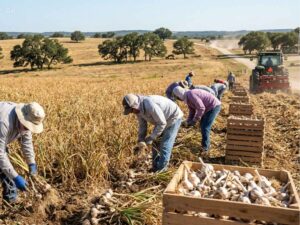
- Garlic: goes in mid-to-late September here, a touch earlier than North Texas
Garlic’s timing isn’t the same everywhere in the state, so don’t assume last year’s date still applies if you’ve moved. Our guide on garlic planting and harvest timing in Texas covers the full picture.
Crops You Can Still Squeeze In Before the Cool-Down
If you’re wondering whether it’s too late for one more warm-season crop, Central Texas actually allows it.
A quick bush bean planting in the first week of September still has enough runway to mature before the mid-November frost.
South Texas and the Gulf Coast
This is the region where a lot of the usual rules just don’t apply, because frost barely shows up here in September at all.
Confirm your zone near Houston or elsewhere in South Texas before planting.
Fall Tomatoes and Other Warm-Season Holdovers
Harris County Extension data puts Houston’s average first freeze somewhere between November 30 and December 20, depending on the exact station.
That’s the real reason a fall tomato crop actually works here and mostly doesn’t elsewhere. AgriLife’s Rio Grande Valley guide recommends transplanting tomatoes from mid-September through mid-October, with peppers on a similar schedule. Our guide on planting tomatoes in Texas breaks down this region’s window in full.
Already past mid-October and worried you blew it? Our piece on seeding tomatoes in zone 9a tells you exactly what’s still salvageable.
Cool-Season Vegetables for South Texas’s Longer Window
You don’t have to choose between tomatoes and cool-season crops here. There’s room for both.
- Carrots and beets: seed anytime from mid-September through the fall
- Lettuce and spinach: grow steadily, with almost no early frost risk to worry about
- Collards and mustard greens: hold up through the region’s mild winter
- Radish and garlic cloves: better to wait until October for these
Lettuce especially thrives across this whole stretch, needing far less protection than what North Texas gardeners have to plan around.
West Texas and the Panhandle
Higher up, drier air, and frost that shows up while the rest of the state is still sweating. That’s West Texas in a nutshell.
Amarillo’s average first frost lands around October 20, per National Weather Service data. Lubbock trails it by about a week and a half, averaging October 31.
Fast-Maturing Vegetables for a Shorter Fall Window
With that little time, slow crops just aren’t worth the gamble here. Speed is the whole strategy.
- Beets: sow by early October, most varieties still need about 60 days
- Turnips and radish: direct-sow by September 1, don’t wait
- Spinach: seed by mid-August so it’s established before frost hits
- Garlic starts: get these in early, since the ground cools fast here
Even within West Texas, elevation shifts frost dates more than people expect. Our West Texas zone guide helps you pin down your exact number.
What Seeds to Plant in September in Texas?
Not every vegetable wants the same start. Some do better going straight into the dirt as seed, and some need a head start you can’t give them this late in the season.
Sow seed early in the month if you can. Germination slows down as the soil cools through fall, even in Texas.
Vegetables Best Started From Direct-Sown Seed
Carrots take about 50 days to mature and beets take about 55, per Rockwall County Master Gardeners’ planting guide.
Radishes and turnips move even faster, often done within a month, which makes them forgiving if your September start is a little late.
Spinach also germinates well right now, in soil that’s still warm from summer.
- Carrots, beets, radishes, turnips: direct-sow now, no transplants needed
- Spinach: sow directly, it germinates reliably this time of year
Vegetables Better Started From Transplants Instead
Broccoli and cabbage simply don’t have enough runway left if you start them from seed in September.
Most nurseries had those transplants started indoors back in late July, five to six weeks before they ever touch garden soil.
Tomatoes work the same way. A fall tomato crop only has a shot as a transplant, and mostly in the state’s warmer regions.
If you try to direct-seed a tomato this late, you’re racing frost with almost no head start, and frost usually wins.
Preparing Your Garden Bed for September Planting
Picking the right vegetable is only half the job. What you plant it into matters just as much.
A tired, depleted bed from a rough summer won’t support a fall crop no matter how well-timed your planting was.
Clearing Out Spent Summer Crops
Squash, corn, and cucumber vines that petered out in August rarely come back, even if they still look half-alive.
Pull them now. Fall transplants need the space and the sunlight those old vines are still hogging.
One thing worth knowing: anything that looked diseased or pest-eaten should go in the trash, not the compost pile. A lot of pathogens survive composting just fine.
Refreshing Soil Before the Fall Planting Round
A summer of heavy feeding leaves soil worn out right when your fall crops need it firing on all cylinders.
Work two to three inches of compost into the top layer before anything new goes in.
Texas clay soil often needs more than compost alone to behave. Our guide on using calcium carbonate in garden soil covers that extra step.
Caring for Your September Vegetable Garden Through Fall
Getting vegetables in the ground is the easy part. What happens over the next few weeks decides whether you actually get a harvest.
Watering Adjustments as Temperatures Drop
Extension guidance for the greater Houston area recommends watering once a week in September if there’s no rain, then dropping to every two weeks by October.
Fall tomatoes want closer attention while their roots settle in. Our guide on watering tomato plants in Texas covers exactly how much and how often.
If you’re not sure whether your soil actually needs water or just looks dry, don’t guess. Our guide on the difference between wet and moist soil settles that.
A plant drooping in the afternoon heat isn’t automatically thirsty. Cooler fall air changes how fast soil dries out, so the old summer instincts can mislead you.
Mulching and Protecting Against Early Cold Snaps
Two to three inches of mulch holds moisture and keeps soil temperature from swinging wildly as nights cool.
Straw, shredded leaves, or grass clippings all work, and they break down into the soil over winter instead of just sitting there.
When an early cold snap hits, row covers protect young transplants, and an old bedsheet works in a pinch if that’s what you’ve got.
Our full guide on preparing your garden for winter covers what comes after this first cold snap too.
Common Mistakes to Avoid When Planting Vegetables in September in Texas
Most fall garden failures in Texas trace back to the same handful of avoidable mistakes.
- Planting warm-season crops too late: tomatoes and peppers need transplants now, not seed
- Ignoring your actual regional frost date: North Texas can run a month ahead of South Texas
- Direct-sowing broccoli or cabbage: both need a transplant head start most people skip
- Overwatering cool-season crops: fall’s lower heat means they need less water than summer did
- Skipping bed prep: worn-out summer soil rarely feeds a strong fall garden on its own
If your plants look off but the soil seems fine, overwatering is easy to miss until leaves start yellowing. Our guide on obvious signs your plant needs water helps you tell the difference.
And if watering isn’t the culprit, there’s usually something else going on. Our guide on reasons your plants aren’t thriving in their environment covers the rest of the usual suspects.
Getting a Second Harvest Before Texas’s First Frost
None of this works in isolation. Knowing your region, choosing seed versus transplant correctly, and keeping up with care all have to happen together.
Do the math for your own garden. A North Texas gardener transplanting broccoli by mid-September has roughly ten weeks before Dallas’s average frost shows up.
Run that same calculation wherever you live, using your local frost date and your crop’s days to maturity, and a second harvest stops being a maybe.
One last thing worth remembering: frost dates are averages, not promises. Some years run early, some run late. Check our guide on Texas’s growing season and frost dates to get your exact numbers and plan around them, not around a guess.